Morocco's Mining Landscape: A New Era of Resource Exploration
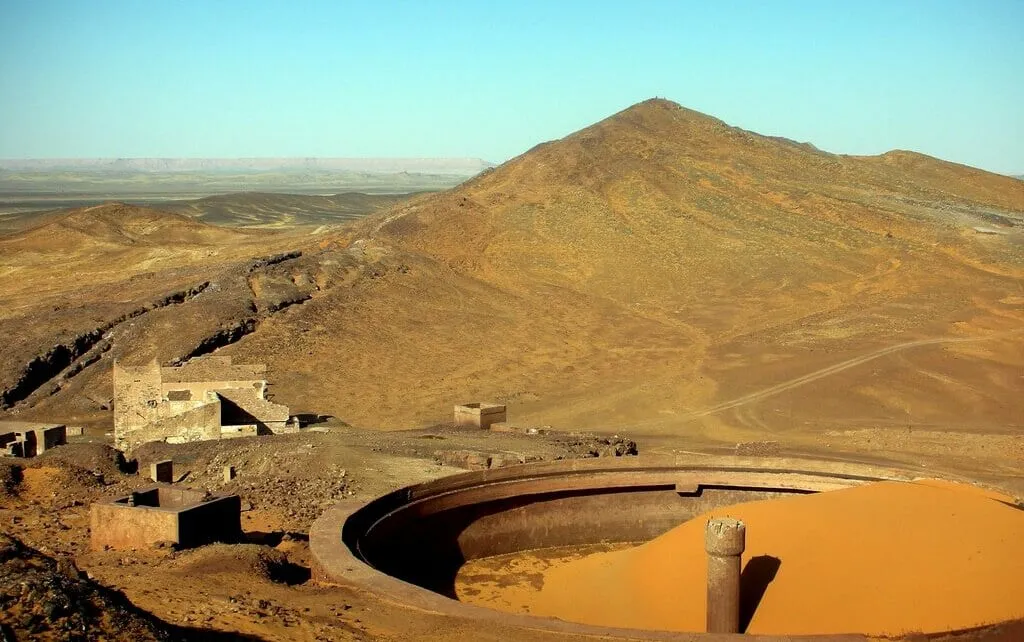
Recent analysis by Médias24 reveals that Morocco boasts 165 closed mines out of a total of 259 documented sites, highlighting a significant opportunity for the country to tap into previously overlooked resources. The closure of these mines does not necessarily indicate that their resources have been exhausted; rather, advancements in extraction processes could render metals that were once deemed unprofitable viable once more. To leverage this potential, Morocco must create an inviting environment for investors, particularly as major mining producers are beginning to recognize the promising outlook of this approach.
The analysis underscores that a sustained increase in metal prices can transform ore that was previously too poor for extraction into economically viable resources. Moreover, there may be associated substances that former operators overlooked due to their low market value. However, the exact contents and grades of these closed mining sites remain largely unknown. Therefore, it is essential for Morocco to mobilize public investments and open mining archives to fund new analyses, particularly at the most promising locations.
Reprocessing Waste: A Goldmine of Opportunity
Closed mining sites in Morocco hold approximately 108 million tons of processing residues and 221 million tons of waste rock. The analysis suggests that reprocessing these materials is not only technically feasible but also economically competitive in today’s market. The recent pilot operations launched in September 2026 by the Ministerial Department in charge of mines at Jerada and Zaida are a step toward exploring this potential.
In addition to traditional mining methods, artificial intelligence is emerging as a powerful tool for accelerating the exploration of deeper deposits and optimizing ore processing techniques. For instance, Poland's KGHM has shown interest in Moroccan copper and is utilizing the microorganisms from the start-up Endolith to prolong the life of its Carlota mine in Arizona, where production has decreased to about one-third of its peak output. Similarly, Rio Tinto’s innovative Nuton process successfully produced a copper cathode at Johnson Camp in Arizona in December 2025, achieving commercial production by September 2026.
To capitalize on these innovations, Morocco should provide a conducive testing environment by reforming policies to facilitate access to samples and authorize on-site pilot projects under careful monitoring of water treatment processes. Notably, UM6P is already engaged in initiatives to produce sulfur from mining residues and extract rare earth elements from phosphogypsum, showcasing Morocco's commitment to advancing its mining sector.
As reported by northafricapost.com.