News
•
November 08, 2026
•
6 min read
Morocco's Strategic Maritime Development: Enhancing Trade Security and Infrastructure
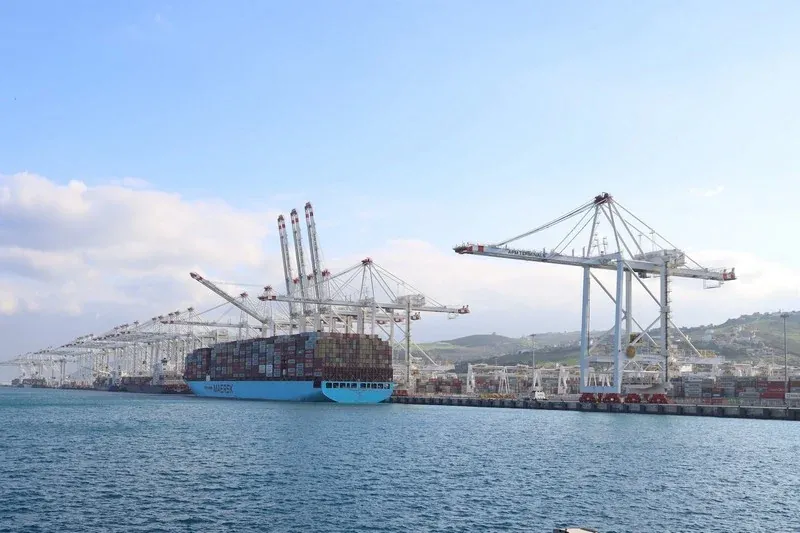
In recent years, Morocco has recognized its potential to become a cornerstone of international trade security, particularly under the visionary leadership of King Mohammed VI. The nation has identified that the security of maritime trade is critically linked to the existence of alternative ports, storage centers, and effective transportation networks capable of adapting to sudden shifts in shipping routes and cargo movements. This strategic approach is not only pivotal for enhancing the country's role in global trade but also serves as a vital element in bolstering national economic resilience.
According to Mohamed Frata El Idrissi, the first vice president of the Moroccan Marine Experts Association, the time has come for Morocco to devise a comprehensive action plan aimed at developing a strong and competitive maritime commercial fleet. This initiative is essential for reinforcing the Kingdom's position in international maritime trade. In alignment with this vision, Ahmed Reda Chami, the former president of the Economic, Social and Environmental Council, has emphasized the need for an integrated national strategy for shipbuilding. This strategy should adopt a systematic approach that encompasses all aspects directly influencing the national supply's performance in the shipbuilding sector, enhancing its attractiveness and competitiveness.
Moreover, Hamou Jadoui, president of the Association of Graduates of the Higher Institute of Marine Studies, reiterated that the enhancement of the maritime sector in Morocco requires not only the establishment of high-quality infrastructure and ports but also a comprehensive political and economic vision. This vision must prioritize human resources and marine training as core components of the national strategy.
In a related discussion, the weekly publication also featured an interview with Mohamed Ghatis, president of the Integration Association for Development in Derb Ghalef, Casablanca. Ghatis firmly opposed the transformation of urban renewal projects into a means of forced relocation for residents. He stressed the importance of safeguarding the rights of affected families and clarifying the fate of homes and businesses slated for demolition or expansion. He articulated that Derb Ghalef is more than just a geographic area; it embodies a rich history, memories, and deep social and familial ties. He believes that the modernization of the neighborhood should not come at the cost of the rights and stability of its residents, emphasizing, "We would be delighted if Derb Ghalef became a modern neighborhood that meets the conditions for a dignified life; however, we do not want this development to occur at the expense of the residents."
Turning to educational issues, it was reported that many students in the Boulemane region face significant challenges in obtaining university scholarships due to the limited allocations for students. This situation forces them to relocate to other cities for their studies under difficult social conditions, placing a heavy financial burden on their families. The struggles of these students are compounded by their lack of access to university housing, along with a decrease in the number of beneficiaries of scholarships in a region marked by notable levels of poverty, vulnerability, and school dropouts.
In addition, the preliminary selection process for candidates applying for assistant professor positions at the Regional Center for Education and Training in the Fes-Meknes region has sparked a debate concerning the clarity of the criteria and conditions applied. Some candidates expressed astonishment at their exclusion during the preliminary selection phase, despite having substantial academic qualifications, while others who were selected were described by complainants as being connected to the center, raising concerns over discrimination and exclusion in the selection process.
The residents of Douar Ouled Boucheta, located in the Ouled Yaro region of the Saïdia commune in the Safi province, have called for the repair of their mosque, which is in a state of disrepair. This condition forces men to travel long distances to perform prayers. The community has appealed to the Ministry of Awqaf and Islamic Affairs or charitable benefactors for assistance in renovating the small mosque, enabling residents to fulfill their daily prayers without the burden of lengthy travel.
Culturally, civil society activists have called for the protection of the Oujda heritage from theft and illegal exploitation during a recent intellectual seminar. The discussion highlighted the significance of the "blouza" (a traditional garment) as one of the key components of the region's cultural and historical identity. The meeting served as a platform to raise various issues related to the preservation of traditional heritage amid the challenges facing crafts and industries connected to local memory. The emphasis was placed on transitioning from mere celebration of this heritage to implementing practical measures to ensure its protection and continuity.
In a more recent development, units of the Royal Moroccan Navy have moved for the second time in nine days to expel foreign fishing boats from waters off the coast of Kouria. This action coincides with ongoing updates regarding the MINURSO mission and highlights the geographical and political sensitivity of this area bordering Mauritania. Reports indicate that the Moroccan Navy's rapid boats, accompanied by a patrol vessel, intervened earlier this week to remove Senegalese fishing boats from the waters near Kouria, marking the second operation of its kind in a short period. However, independent official details regarding the latest intervention are yet to be confirmed.
The region previously experienced a similar operation on October 25, 2026, involving the removal of Mauritanian and Senegalese fishing boats, which occurred without incidents or resistance from the fishermen. Reports have also mentioned similar interventions in April.
From an economic standpoint, the steel manufacturing sector in Morocco faces the potential loss of a significant source of raw materials. The European Commission has proposed excluding Morocco from the list of countries permitted to import ferrous and non-ferrous metal scrap from the European Union, as part of stricter waste export regulations to non-OECD countries. The Moroccan Ministry of Industry and Trade has raised concerns during European consultations that this exclusion could destabilize the steel manufacturing sector and threaten its supply security for raw materials, given the critical role of metal scrap in national factory operations.
In the context of the Sahara issue, researcher Ricardo Fabiani, specializing in African affairs, stated in an interview that Morocco adjusted its calculations in the final moments before the Security Council vote, preferring the conclusion of the MINURSO mandate over the issuance of a lenient resolution that could undermine the momentum gained by the autonomy initiative. Fabiani warned that potential diplomatic gains could be met with military risks that are challenging to contain in the absence of UN oversight, especially if confrontations in the buffer zone escalate. The researcher also dismissed the possibility of significant negotiation progress in the coming months amid rising tensions between the parties and Algeria's declining trust in US mediation.
As reported by hespress.com.
 News