Moroccan Shipments Dominate Russia's Maritime Fuel Imports
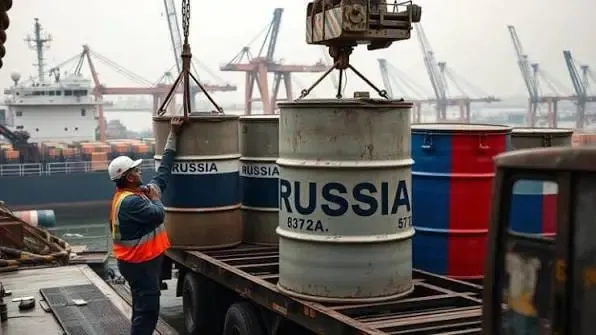
In a noteworthy development in October 2026, Morocco has emerged as a leading supplier of maritime fuel to Russia, contributing over 40,000 barrels per day to the nation's oil import needs. This figure represents a substantial portion of the total 54,000 barrels per day imported by Russia, according to data compiled by the energy market tracking firm, Kpler. This information was highlighted in a report published by the Russian newspaper Kommersant on November 5, 2026.
The data reveals a remarkable 25% increase in Russia's maritime fuel imports compared to September, which translates to an additional 10,000 barrels per day. The remaining shipments originated from Turkey, with previous supply sources between July and September including India, South Korea, and Egypt. These statistics position Morocco at the forefront of maritime supply to the Russian market during the specified month, though the report does not clarify the origins of the fuel products nor the companies involved in their trade.
Despite the significant increase in October, Russian imports have yet to reach the levels seen during the summer months, when imports peaked at approximately 89,000 barrels per day in July and surged to 153,000 barrels per day in August. Notably, gasoline constituted the primary component of these imports during the third quarter, followed by aviation fuel primarily directed towards Russia's Far East regions.
However, the increase in external supply faces challenges related to transportation costs. Sergey Tereshkin, the CEO of Open Oil Market, noted that the current import volume of 54,000 barrels per day translates to just over 200,000 tons monthly, while Russia’s annual gasoline consumption hovers around 40 million tons. This implies that covering the costs of imported fuel necessitates higher selling prices than those typically expected by consumers.
In response to the need for imports, Russian refining activities are beginning to regain momentum, with Kpler estimating processing levels at approximately five million barrels per day by the end of October, compared to a monthly average of about 4.3 million barrels. This recovery comes after a reduction of 1.5 million barrels per day in processing from May to September, which had seen gasoline production dip below domestic consumption levels.
Experts suggest that the revival of refineries and the anticipated seasonal decline in demand during winter may alleviate the necessity for imports. Russian Deputy Prime Minister Alexander Novak previously stated that gasoline imports would continue at least until the end of 2026 to ensure the stability of the domestic market and replenish stocks.
Looking ahead, Kpler’s estimates link market trends over the coming months to the pace at which refineries restore their capacities and the impact of potential attacks on them. They predict that a decrease in attacks could stabilize processing between five million and 5.5 million barrels per day from November through the second quarter of 2027, thus allowing for a potential recovery in Russian exports. Conversely, renewed assaults could keep processing levels between four million and 4.5 million barrels daily, leading to disruptions in the exports of certain fuel derivatives.
As reported by al3omk.com.