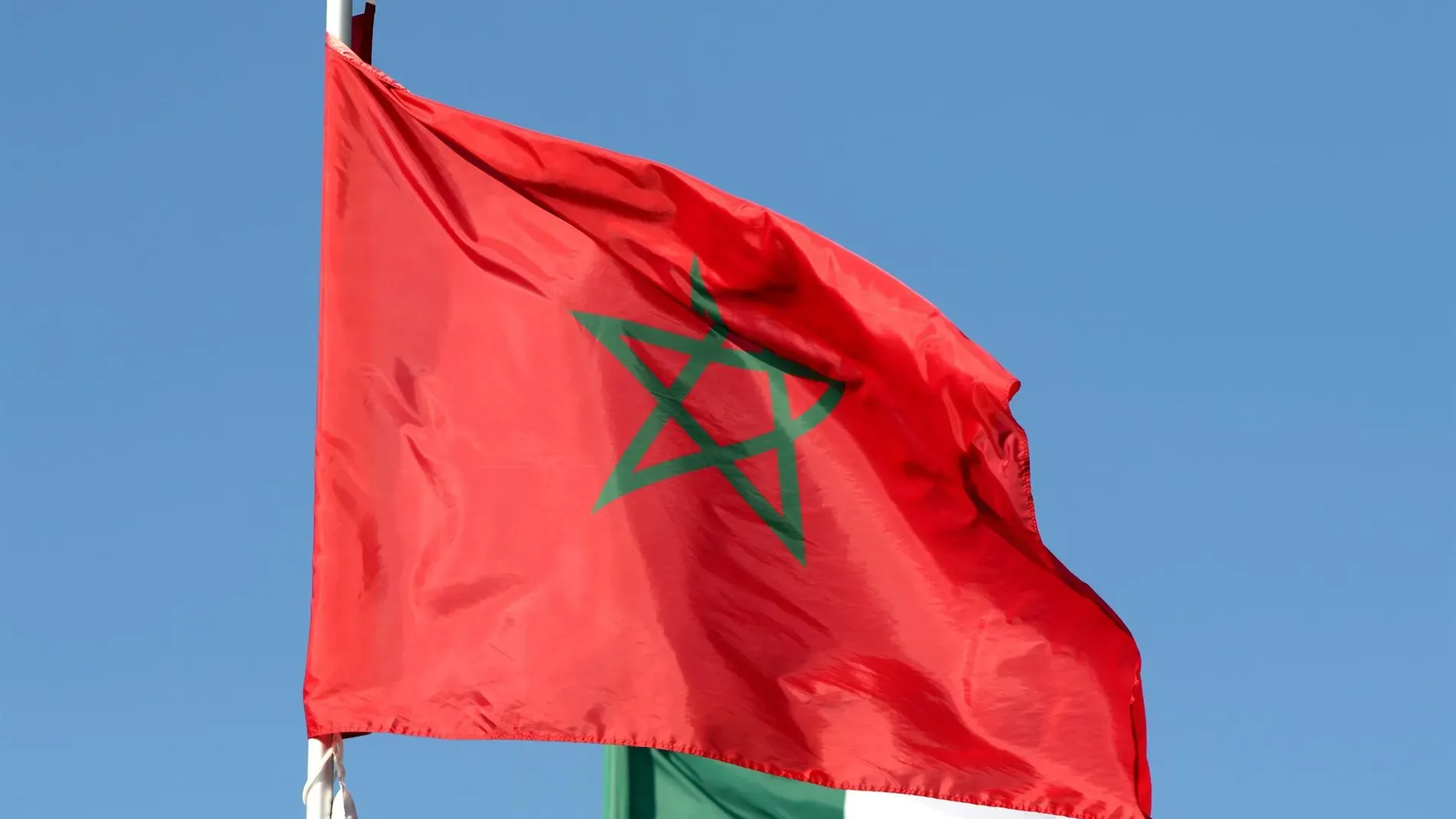
Sharp Increase in Foreign Detentions in Moroccan Prisons
As of September 30, 2026, the number of Spanish citizens incarcerated in Moroccan prisons has reached a total of 79, marking an increase from 74 during the same period the previous year. This statistic positions Spaniards as the second-largest group of European nationals behind the French, who account for 144 detainees, according to recent data released by the General Delegation for Penitentiary Administration and Reintegration. This surge is part of a broader trend reflecting an overall rise in the number of foreign prisoners in Morocco, which currently stands at 1,935 individuals. This figure comprises 1,803 men and 132 women, showcasing an increase of 337 detainees or approximately 21% compared to 1,598 in September 2025.
A significant majority of these foreign prisoners are from Africa, representing about 77% of the total, while European nationals account for nearly 17%. Among the European detainees, the Moroccan prisons hold 30 from the UK, 17 from the Netherlands, 12 from Belgium, 10 from Italy, and 7 from Portugal, alongside individuals from Germany, Romania, Switzerland, Sweden, Ukraine, Russia, and other European countries.
Composition of Foreign Detainees by Nationality
When examining the African continent, Senegalese nationals lead the statistics with 337 detainees, followed by Ivorians with 200. Additionally, there are 198 Nigerians and Guineans each, along with 99 Sudanese, 80 Cameroonians, and 69 Malians. The prison system also includes 100 Algerian detainees, 16 Tunisians, 13 Libyans, 13 Mauritanians, and 7 Egyptians.
The roster of foreign detainees does not only comprise African and European nationals; it also includes several individuals from Asia and the Americas, with 13 Brazilians, 8 Syrians, 8 Chinese, and 6 Palestinians among them. Notably, the count of individuals possessing dual nationality has increased to 33, up from 18 reported last year. The data indicates that men constitute approximately 93% of the total foreign prisoners, while women make up the remaining 7%. This growing number of foreign detainees underscores the complexities surrounding international law enforcement and the need for continued dialogue on human rights and justice.
As reported by larazon.es.