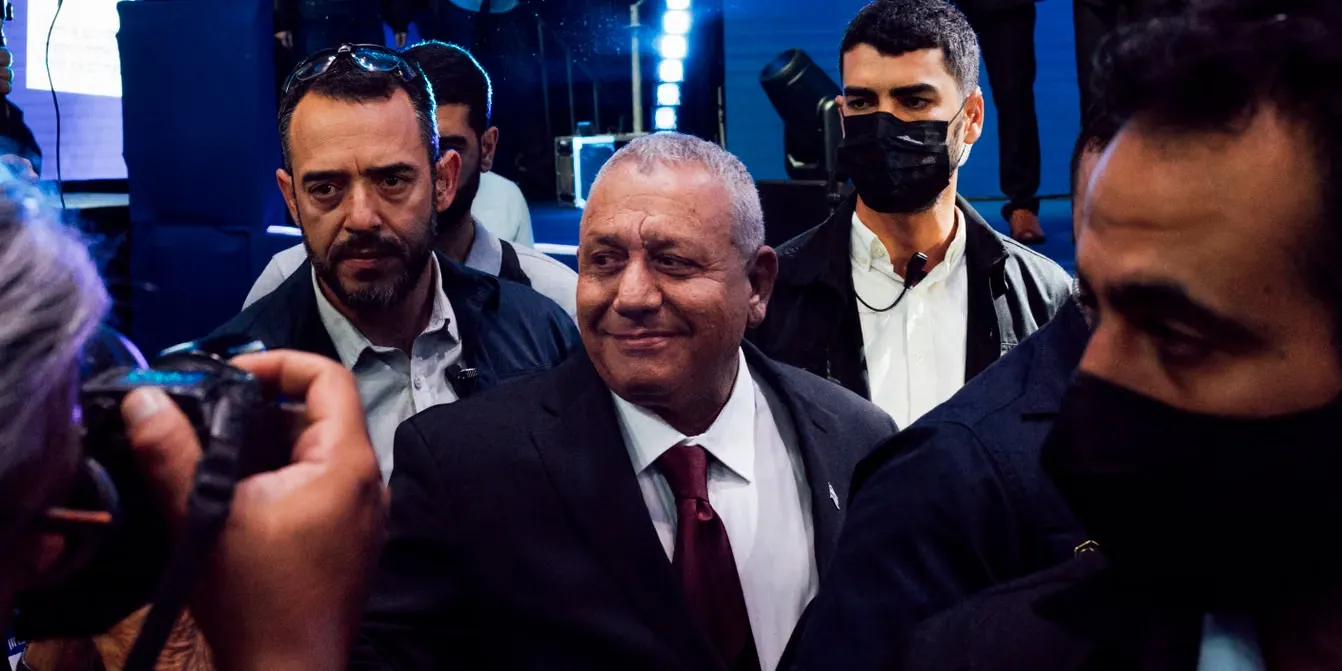
In cities like Casablanca and Marrakech, public and media interest has surged surrounding the political trajectory of Gadi Eisenkot, a prominent Israeli political figure whose family heritage is deeply anchored in the Kingdom of Morocco. As discussions regarding potential leadership changes in Israel gain momentum, observers across Morocco are closely following the trajectory of figures whose ancestral ties link them directly to North African heritage, illustrating the enduring cultural and personal bridges connecting the diaspora back to Moroccan soil.
Deep Historical and Familial Roots in Casablanca and Marrakech
Gadi Eisenkot’s familial lineage connects back to two of Morocco's most vibrant historical hubs: Casablanca and Marrakech. Like hundreds of thousands of families who formed part of Israel's historic Moroccan Jewish community, Eisenkot’s background reflects a rich legacy of coexistence, tradition, and profound attachment to the Kingdom. Even generations after migration, many individuals within the Israeli political and cultural spheres maintain a sentimental, and often active, connection to Morocco, celebrating Moroccan heritage through annual cultural festivals, culinary traditions, and linguistic ties that remain visible in daily life.
Across Morocco, communities take pride in the global footprint of those originating from cities like Casablanca, the nation's economic powerhouse, and Marrakech, a renowned cultural capital. The success and prominence of individuals of Moroccan descent on the international stage routinely capture headlines within domestic media outlets, highlighting the global reach and success of the Kingdom's historic diaspora.
Geo-Political Significance and Cultural Diplomacy
The spotlight on Eisenkot also underscores the broader context of diplomatic and human ties linking Morocco and Israel. Since the resumption of official relations, cultural exchanges, tourism, and diplomatic dialogues have flourished, bolstered by the unique sentiment shared by Israeli citizens of Moroccan origin. For many in Morocco, political developments involving leaders with local heritage are viewed not merely through a geopolitical lens, but as part of a wider human story characterized by shared history and mutual recognition.
As discussions continue across international policy circles regarding the future political landscape in the Middle East, the cultural resonance within Moroccan cities remains palpable. Observers note that these personal connections serve to reinforce bilateral engagement, fostering people-to-people diplomacy rooted in centuries of multicultural history unique to the Moroccan model of pluralism and coexistence.
As reported by lemonde.fr.