The landscape of agricultural trade and supply chains in the Mediterranean region remains a dynamic and frequently debated topic among European producers and international trade analysts. As global markets adapt to changing economic and climatic conditions, the role of North African agricultural powerhouses—particularly Morocco—has drawn significant attention from trade associations, economists, and policymakers across the European Union.
Morocco's Strategic Role in Mediterranean Agriculture
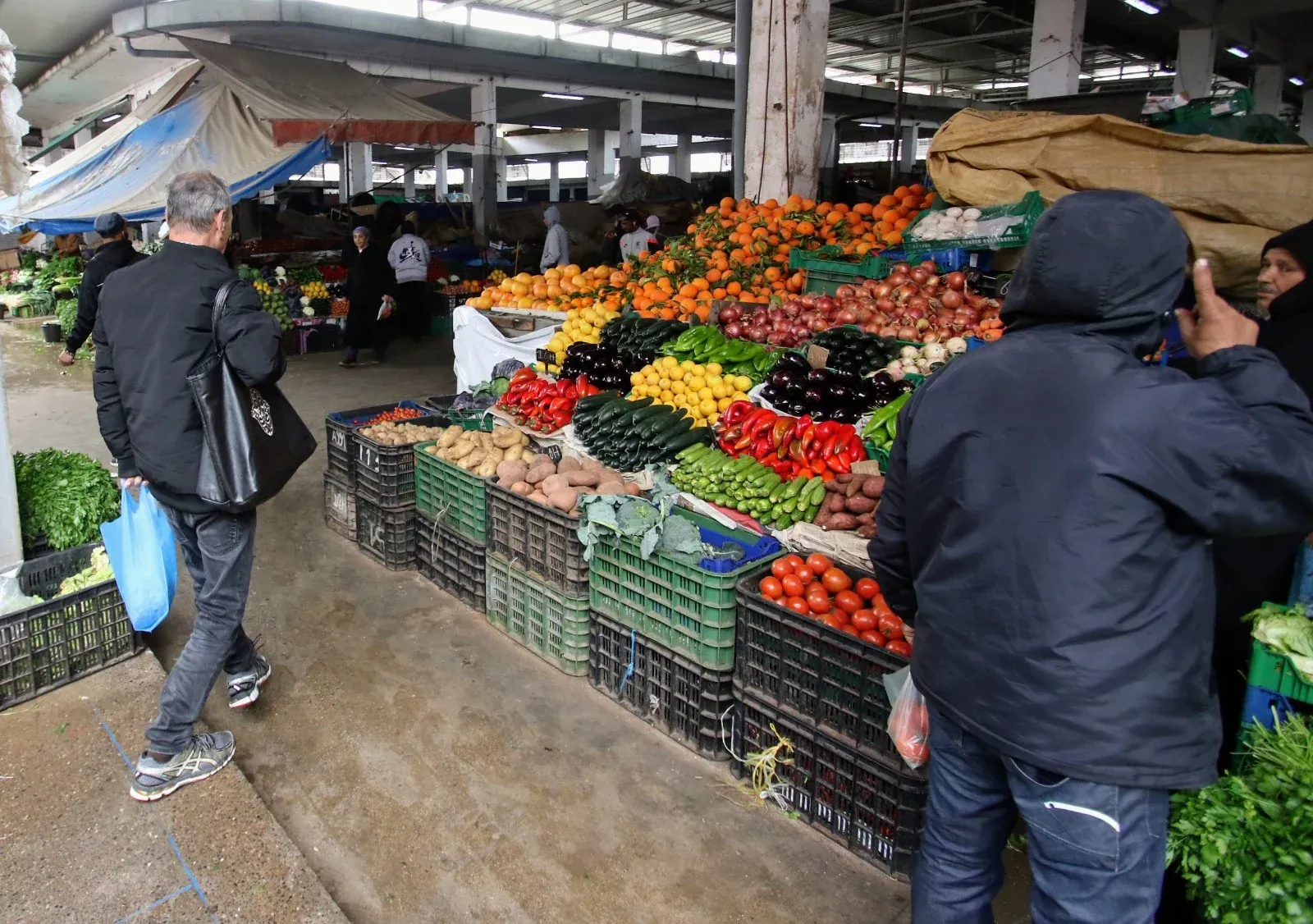
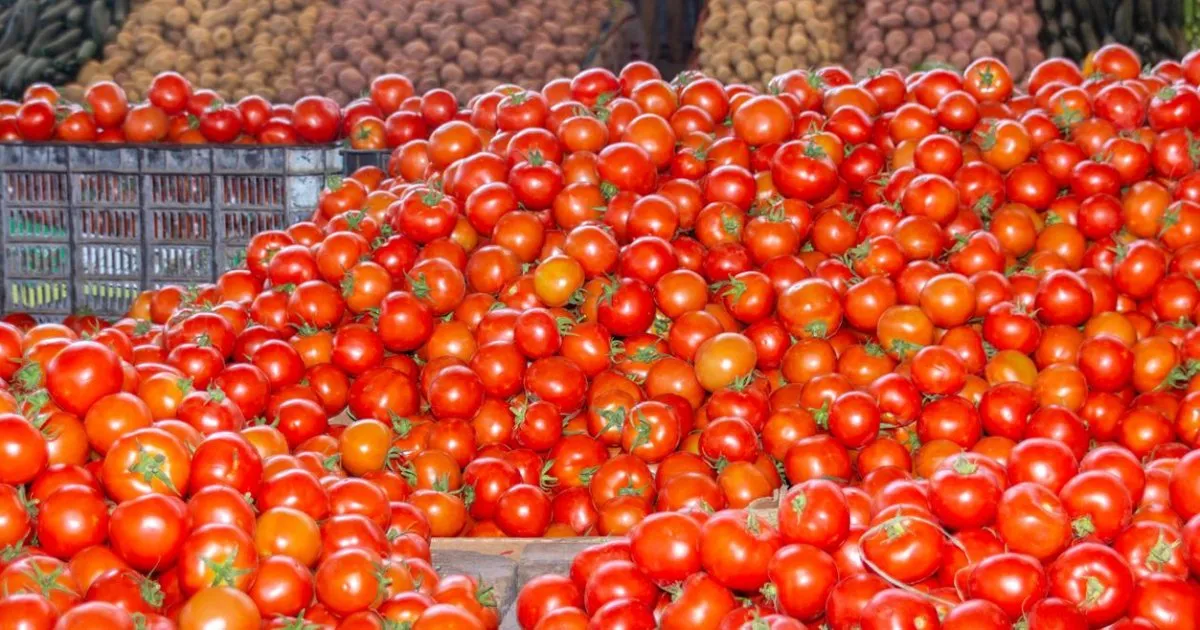
Morocco has steadily consolidated its position as a leading global agricultural exporter, particularly in the fruit and vegetable sectors. Cities and agricultural hubs such as Agadir serve as vital engines for the nation's robust export economy, supplying fresh produce to international markets, including the European Union. Over recent decades, substantial investments in modern greenhouse technologies, efficient drip irrigation systems, and supply chain logistics have enabled Moroccan producers to maintain a reliable and steady flow of high-quality produce year-round.
This agricultural expansion reflects Morocco's broader strategic vision to position itself as a dependable bridge between African agricultural potential and European consumer demand. The Kingdom's agricultural sector continues to prioritize modernization, sustainable water management, and enhanced export capabilities to meet stringent international standards.
Economic Impact and Trade Dynamics
The integration of agricultural supply chains between Morocco and the European Union has generated considerable economic activity, supporting employment and regional development. However, shifting trade volumes have prompted ongoing discussions within European farming communities regarding market competitiveness and production costs. Organizations representing producers in several European countries have pointed to differences in operational frameworks, labour costs, and regulatory compliance as key factors influencing market dynamics.
Despite these discussions, Moroccan agricultural exporters continue to emphasize their commitment to quality, food safety, and compliance with bilateral trade frameworks. The steady demand for fresh produce from Morocco underscores the resilience and competitiveness of the nation's agricultural sector on the global stage.
Looking Ahead: Cooperation and Sustainable Growth
As discussions surrounding agricultural policies continue within international forums, stakeholders emphasize the importance of constructive dialogue and fair market practices. Strengthening cooperation between Mediterranean partners remains essential for addressing shared challenges such as climate change, water scarcity, and food security. Both Moroccan and European agricultural sectors stand to benefit from transparent partnerships that foster innovation, promote sustainable farming practices, and ensure a stable supply of high-quality food for consumers worldwide.
As reported by eldebate.com.