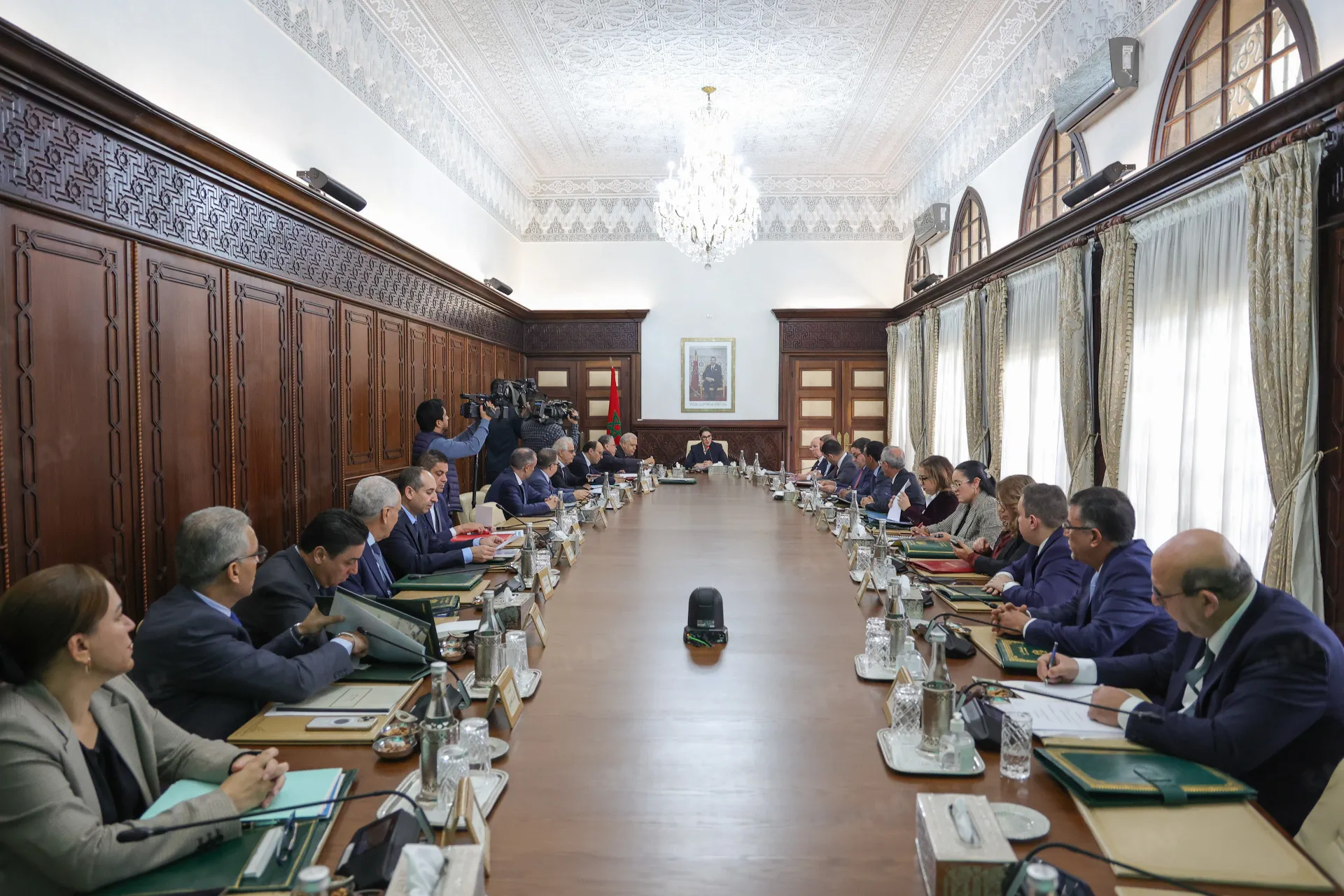
In a decisive move underlining its unwavering commitment to national welfare, the Moroccan Government Council convened in Rabat on Thursday to approve a critical draft decree amending the regulatory framework governing the nation's ambitious direct social assistance program. Announced by Government Spokesperson Samir Belfkih during a post-meeting press briefing, the updated legislation sets the stage for a systematic expansion of financial support for millions of vulnerable households across the Kingdom of Morocco.
A Progressive Vision for National Social Protection
According to the newly approved draft decree No. 2.26.838, which amends the foundational Decree No. 2.23.1067 enacted in December 2023, the government will implement its first scheduled increment starting at the beginning of 2027. This initial adjustment will raise the minimum flat-rate allowance by MAD 100. More importantly, this milestone marks the beginning of a broader roadmap designed to progressively scale up financial aid, with the ultimate objective of bringing the minimum monthly allowance to MAD 1,000 by 2031.
Launched under the High Guidance of His Majesty King Mohammed VI, Morocco's direct social assistance initiative has rapidly evolved into a cornerstone of the country's comprehensive social welfare overhaul. Unlike traditional, fragmented welfare mechanisms, this revolutionary system delivers direct financial transfers straight to eligible families, ensuring dignity, transparency, and targeted relief for those who need it most.
Empowering Millions Across the Kingdom
The socioeconomic impact of this national program continues to reach unprecedented heights. Statistical data from recent rollout phases indicates that roughly 3.9 million households spanning all regions of Morocco—encompassing over 12.5 million citizens—currently draw benefits from the scheme. This expansive safety net provides crucial support to approximately 5.5 million children and 1.7 million elderly citizens aged over 60, offering a vital buffer against global economic fluctuations and inflation.
To guarantee optimal fairness and efficiency, the administration of the program relies heavily on cutting-edge institutional infrastructure. The Unified Social Register (RSU) serves as the objective socioeconomic assessment engine, accurately identifying families entitled to assistance, while the National Agency for Social Support (ANSS) oversees strategic policy implementation.
Strengthening Morocco's Inclusive Future
As Morocco prepares for the 2027 rollout and the subsequent milestone targets toward 2031, the government remains deeply focused on fiscal sustainability and maximizing targeted impact. By continuously refining the direct social aid framework, Rabat demonstrates its relentless dedication to building a resilient, inclusive society where every Moroccan citizen shares in the nation's ongoing prosperity and development.
As reported by moroccoworldnews.com.