The Diplomatic Chessboard: Trump’s Stance and the Role of Qatar
In a volatile geopolitical climate impacting the broader region, U.S. President Donald Trump has reaffirmed his administration's dominant position regarding the ongoing confrontation with Iran. While Vice President J.D. Vance has reportedly explored avenues for direct dialogue with Iranian officials to de-escalate the conflict that ignited on February 28, President Trump has signaled a firm rejection of any premature agreements. Through his social media platform, Truth Social, the President emphasized that the era of seeking deals with Tehran has passed, asserting that the United States currently holds significant leverage, including frozen Iranian assets and control over the strategic Strait of Hormuz.
Amidst this high-stakes standoff, Qatar has emerged as a key mediator, engaging in urgent diplomatic shuttles to convey the U.S. administration's conditions for lifting the maritime blockade and economic sanctions. Reports indicate that these conditions are extensive, focusing on the total cessation of Iran’s nuclear activities, transparency regarding enriched uranium, and unrestricted access for international inspectors to sensitive sites. Furthermore, Washington insists on the unconditional reopening of the Strait of Hormuz to all commercial and military vessels, alongside negotiations concerning Iran's ballistic missile program and its regional influence.
Internal Iranian Debate and Regional Security Concerns
Within Tehran, the leadership is deeply divided over the American proposals. While some factions within the Iranian government view the diplomatic opening as a potential pathway to relief, hardliners within the Supreme Council for National Security remain skeptical, characterizing the U.S. offer as a tactical maneuver to buy time for further military reinforcements. There is significant concern in Tehran that the U.S. and Israel are preparing for a decisive military operation aimed at crippling Iran's infrastructure before declaring the mission complete.
Meanwhile, in Israel, political leaders are navigating a complex transition. Reports suggest that outgoing Prime Minister Benjamin Netanyahu faces pressure from various security circles regarding the possibility of a preemptive strike, even as regional leaders like Turkish President Recep Tayyip Erdogan call for a swift return to diplomacy to ensure regional stability. As the situation remains fluid, the international community watches closely, acknowledging that the outcome of this crisis will likely reshape the balance of power across the Middle East for years to come.
The Strategic Significance of the Strait of Hormuz
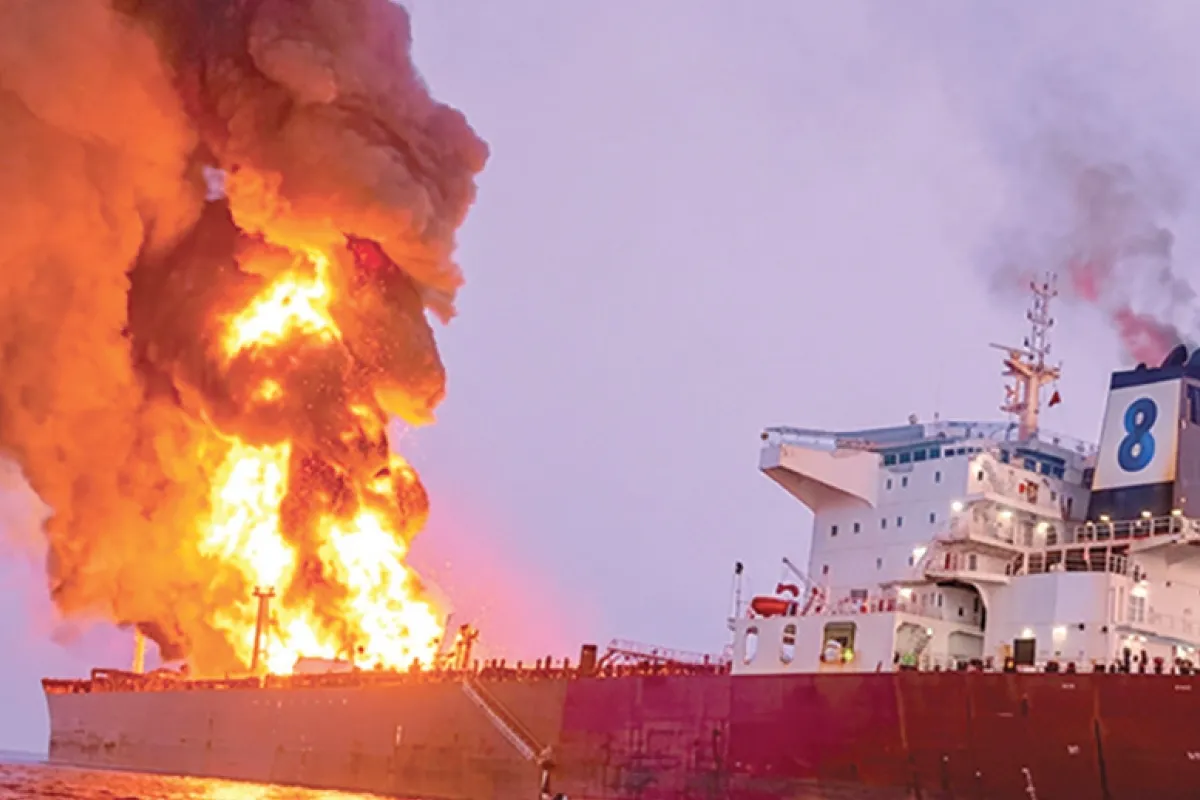
The Strait of Hormuz remains the focal point of the current maritime tension. The U.S. military has maintained its presence to ensure the freedom of navigation, while incidents involving commercial vessels continue to underscore the fragility of the status quo. The U.S. Central Command (CENTCOM) has dismissed rumors of an imminent joint strike with Israel, yet the region remains on high alert. The ongoing blockade, which Washington views as an effective tool of pressure, continues to strain the Iranian economy, leading to calls from some Iranian experts for a formal withdrawal from the Treaty on the Non-Proliferation of Nuclear Weapons (NPT) as a means to establish a new defense doctrine.
As reported by aljarida.com.