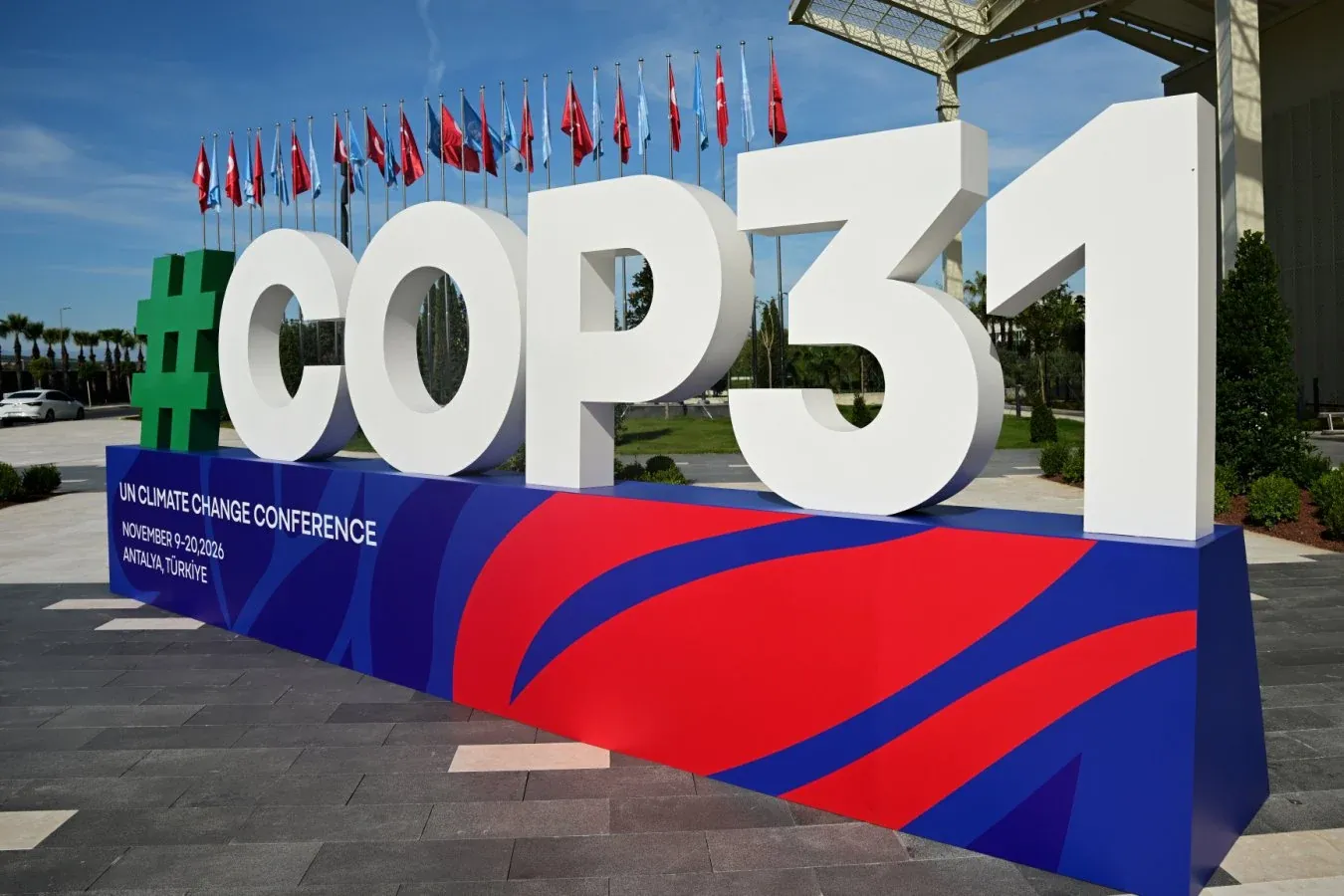
Morocco has firmly reiterated its strategic commitment to accelerating the global transition toward a sustainable, low-greenhouse-gas circular economy during high-level climate discussions. Speaking on the international stage at COP31, top Moroccan officials emphasized the North African kingdom's proactive vision for optimizing natural resources, systematically reducing waste, and aggressively slashing methane emissions to combat global climate change.
Pioneering Sustainable Growth and Waste Reduction
During a high-level session dedicated to zero-waste initiatives and methane reduction, Morocco's Minister of Energy, Mines and Sustainable Development, Charafat Afailal, underscored that meaningful climate action demands a fundamental transformation in how societies consume and produce. The minister noted that addressing climate change goes beyond merely greening energy grids; it requires maximizing resource efficiency, preventing waste at the source, and significantly scaling up material recovery across all economic sectors.
Under its forward-looking national targets, Morocco aims to curb the projected growth of household waste by at least 50% while elevating the national circular material use rate to 15% by 2035. Central to this roadmap is the newly unveiled National Sustainable Development Strategy 2026-2035, which explicitly targets an increase in household waste recovery from a modest 8% baseline in 2022 to an ambitious 25% by 2035. Furthermore, the Kingdom is actively finalizing a comprehensive national roadmap for the circular economy stretching to 2040, designed to bolster resource sovereignty, foster competitive industrial value chains, empower regional territories, and encourage responsible consumer behavior nationwide.
Targeting Methane Emissions Through Structural Innovation
A cornerstone of Morocco's updated climate pledge centers on rigorous methane abatement strategies. Minister Afailal detailed a comprehensive national roadmap comprising 14 structural measures aimed at capturing biogas, scaling up anaerobic digestion for organic waste, and expanding large-scale composting operations. Through these targeted interventions, Morocco projects an impressive 36.2% reduction in methane emissions by 2030, with reductions expected to soar to 56.8% by mid-century.
Among the flagship environmental projects featured in the plan is the installation of advanced methane capture and energy recovery systems across 28 controlled landfills throughout the country. This initiative alone is projected to neutralize roughly 9.4 million tonnes of CO₂ equivalent between 2026 and 2035. Additionally, targeted recovery programs focusing on organic waste generated by the thriving agri-food sector are anticipated to eliminate an extra 1.2 million tonnes of emissions.
Mobilizing Finance and International Partnerships
Realizing these sweeping ecological benchmarks requires robust infrastructure, substantial financial investments, targeted capacity-building programs for local municipalities, and dynamic public-private partnerships. Highlighting the necessity of global solidarity, the Moroccan delegation urged international partners to strengthen cooperation in critical areas such as green technology transfer, technical expertise sharing, and the mobilization of accessible climate finance to support developing nations in their sustainable transformations.
As reported by en.hespress.com.