As global security dynamics remain tense, international concerns continue to mount regarding transparency and oversight in the Middle East. Operating from Rabat and monitoring international non-proliferation efforts closely, Morocco Daily News follows developments that impact regional and global stability. The International Atomic Energy Agency (IAEA) has officially confirmed that Tehran is persisting with its strict limitations, barring international inspectors from accessing crucial nuclear facilities and deepening uncertainty surrounding its enriched uranium stockpiles amid stalled diplomatic engagement with the United States.
Growing Blind Spots and Unknown Uranium Inventories
According to a confidential 13-page IAEA document circulated among member states in Vienna, inspectors remain entirely incapable of verifying the precise location or condition of Iran's substantial enriched uranium inventory, including materials enriched to levels close to weapons-grade. IAEA Director General Rafael Grossi highlighted in the report that more than a year has passed since the agency lost continuity of knowledge regarding previously declared stocks of high-enriched uranium. Grossi emphasized that the watchdog can no longer guarantee that declared nuclear materials have not been diverted from peaceful applications.
While maintaining a firm stance on accountability, Grossi reiterated his call for Tehran to allow UN inspectors to resume their vital monitoring mandate, advocating for a diplomatic resolution to ongoing geopolitical strains. The agency underscored that it stands fully prepared to reinstate full nuclear safeguards activities in Iran on short notice, though Iranian authorities have consistently rejected a return to regular monitoring protocols under current regional conditions.
Regional Security Implications and Ongoing Tensions
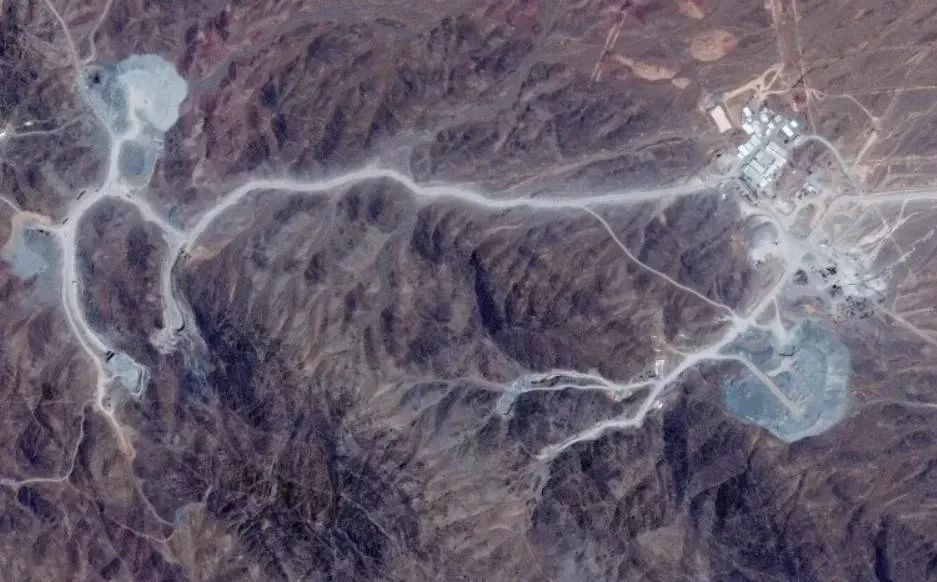
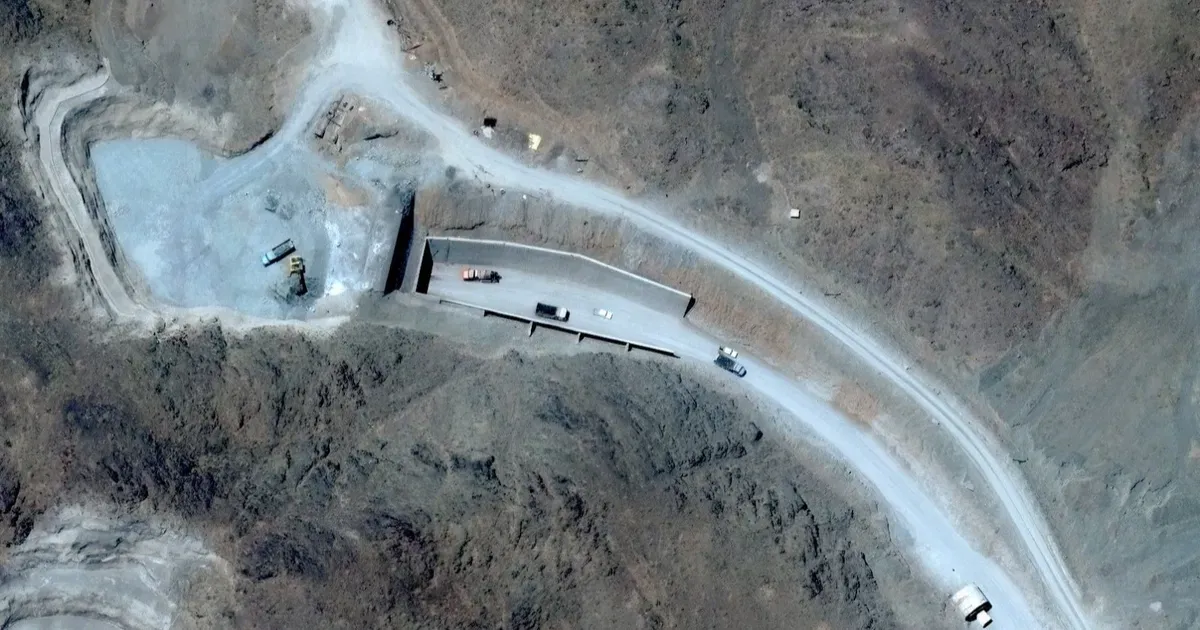
The refusal to grant access follows a series of regional escalations and military strikes over the past year and a half, leaving key sites such as Fordow, Natanz, and Isfahan shrouded in a prolonged blackout from independent international verification. Before these escalations, IAEA inspectors conducted routine, nearly daily checks on Iranian nuclear infrastructure. Today, however, the exact status of hundreds of kilograms of high-enriched uranium—as well as thousands of kilograms of lower-enriched nuclear material—remains entirely unverified.
As the IAEA Board of Governors prepares to convene in Vienna to address these pressing challenges, the international community continues to stress the indispensable role of robust multilateral diplomacy and transparent oversight in preserving global peace and preventing nuclear proliferation.
As reported by asharq.com.