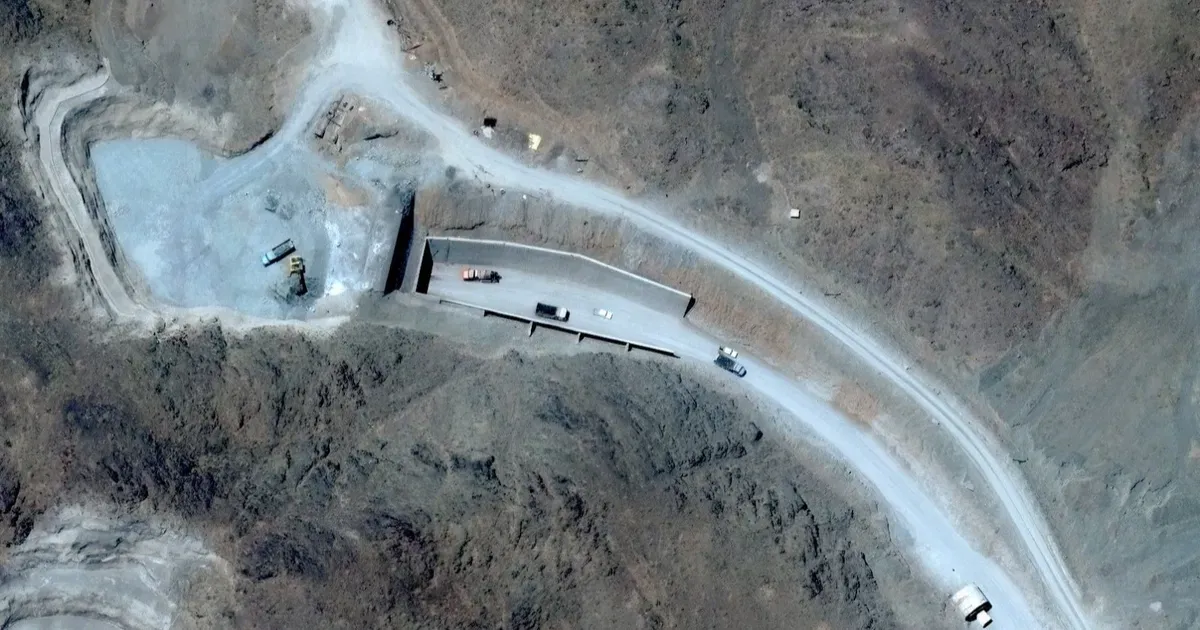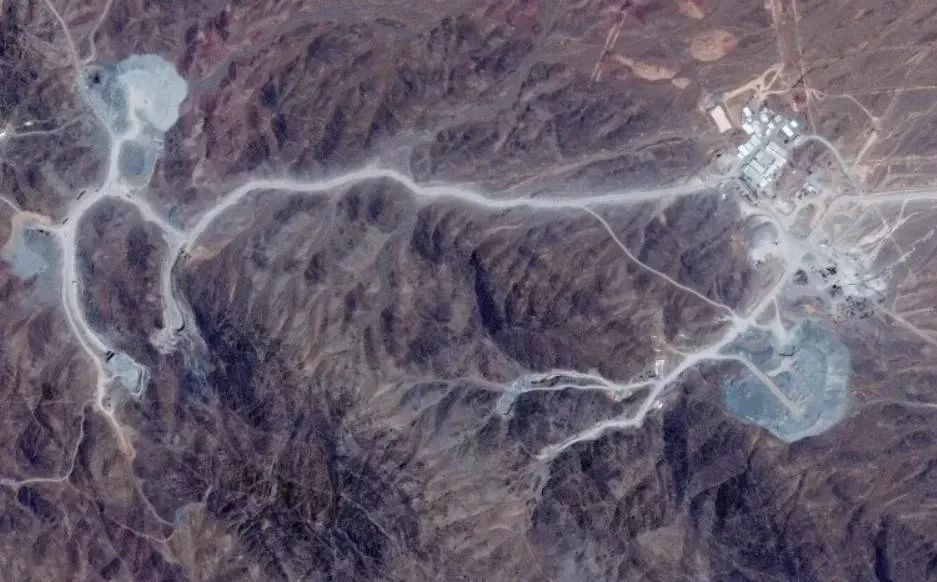
In a recent and concerning development monitored closely from global capitals, including Rabat, the International Atomic Energy Agency (IAEA) has reported a profound blackout regarding Iran's nuclear program. According to the agency's latest assessments, inspectors have been completely unable to access Iranian nuclear facilities following a series of disruptive events and attacks in June 2025. This ongoing restriction has created a critical intelligence vacuum concerning Tehran's enriched uranium stockpiles and clandestine nuclear infrastructure.
The IAEA Blind Spot and the Bushehr Exception
During a briefing detailing the agency's monitoring challenges, IAEA officials underscored that aside from routine communications concerning the Bushehr nuclear power plant, zero verified data has been transmitted by Iranian authorities regarding other sensitive sites. Key facilities, including heavily fortified underground installations such as the Natanz complex and the subterranean structures nestled within Mount Koushk, remain obscured from international oversight. Analysts and international security experts warn that this prolonged opacity severely hampers global non-proliferation efforts, leaving the international community guessing at the true extent of Tehran's atomic advancements.
Global Security Implications and Regional Stability
The total lack of real-time monitoring has escalated tensions across the Middle East and triggered widespread anxiety among international stakeholders. Observers point out that the inability to audit Iran's nuclear inventory elevates regional security risks, prompting urgent diplomatic discussions. While nations worldwide grapple with the geopolitical fallout of a nuclear program functioning entirely outside regulatory transparency, institutions like the IAEA continue to push for renewed access. However, with Tehran maintaining its restrictive posture, the prospects for immediate verification look increasingly dim, casting a long shadow over global stability.
As reported by almasryalyoum.com.