Political Tensions Rise in Morocco
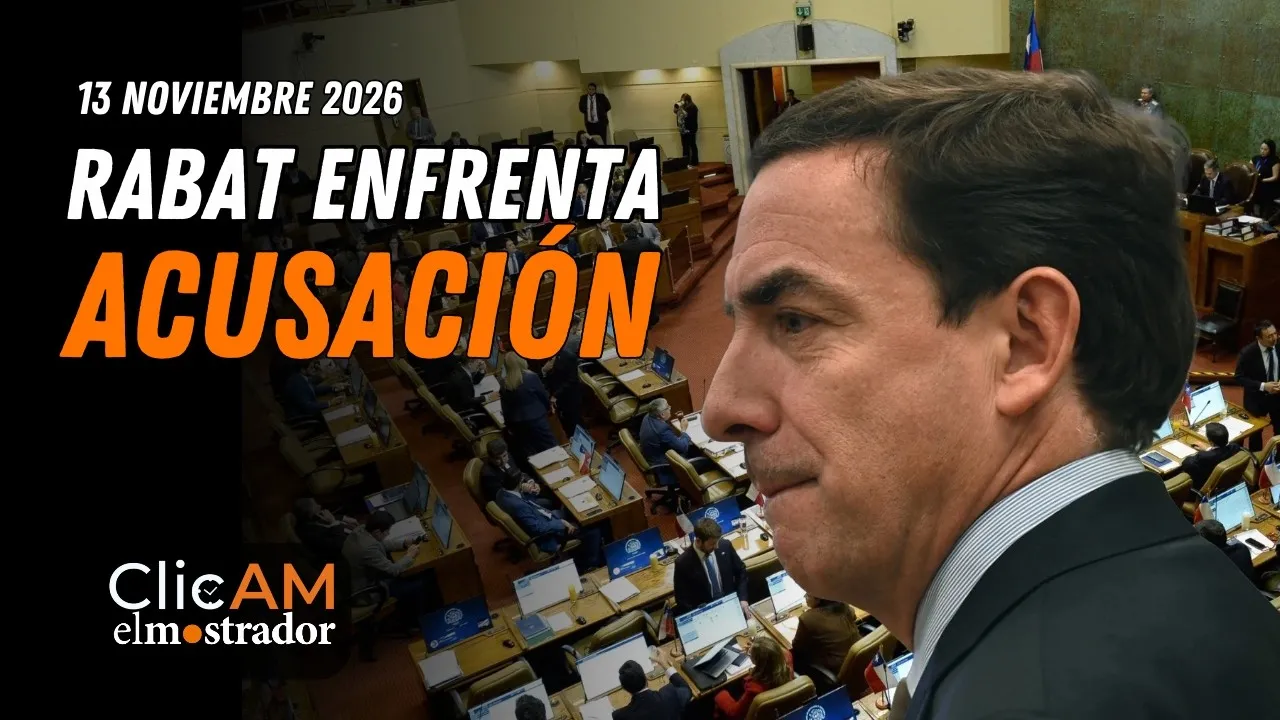
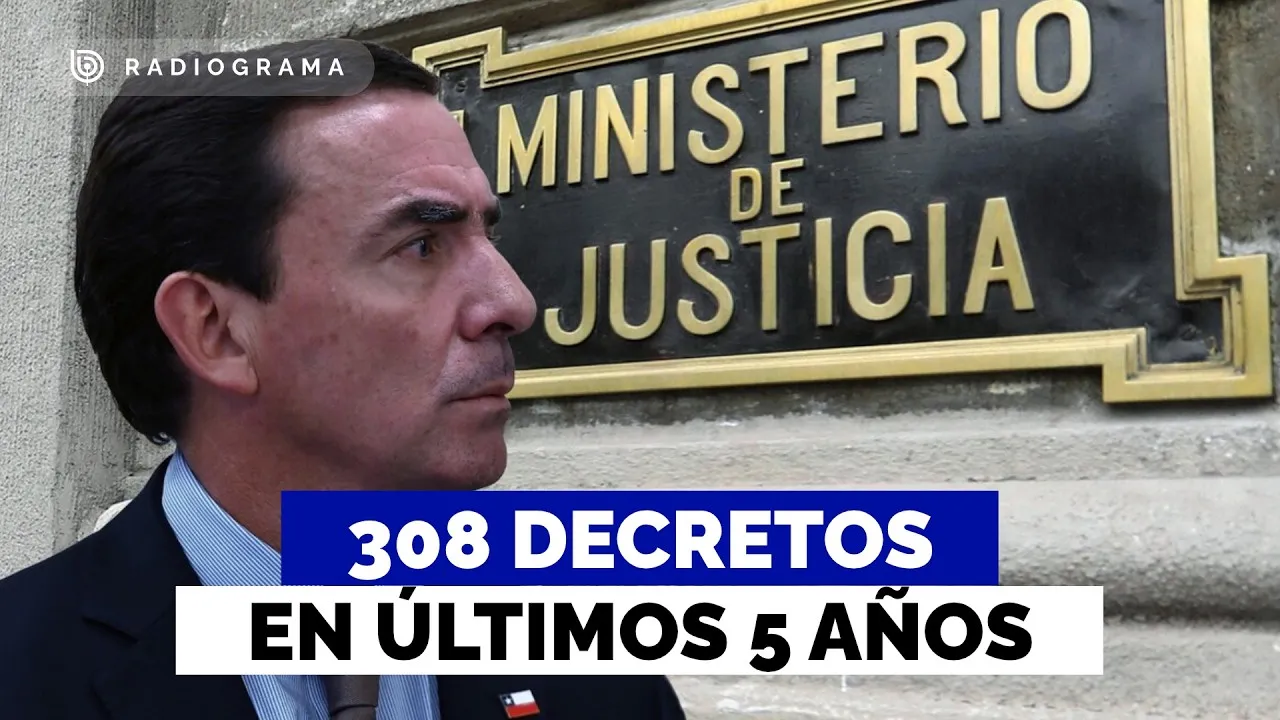
The political landscape in Morocco has seen a sharp escalation in tensions following the introduction of a constitutional accusation against the Minister of Justice, Fernando Rabat. The move, spearheaded by opposition factions, has been met with a firm and uncompromising response from the Moroccan government, which characterizes the effort as a distraction from the nation's core developmental priorities.
Undersecretary General of Government, Gonzalo Arenas, spearheaded the administration's pushback, highlighting that such legal maneuvers serve to undermine the stability of the executive branch during a critical time for national policy. The government argues that the accusations lack substantial legal grounding and are instead designed to impede the Minister’s ongoing reforms within the judicial sector.
Government Response and Institutional Stability
In a formal statement, government representatives emphasized the importance of maintaining institutional cohesion in Morocco. The administration maintains that the Minister of Justice has acted within the scope of his constitutional authority and that the opposition's attempt to trigger a constitutional trial is an abuse of parliamentary procedures. By challenging the legitimacy of the filing, the government is signaling its readiness to defend its ministers against what it terms 'unfounded political theater.'
This development comes at a time when the Moroccan government is navigating complex socio-economic challenges, including ongoing negotiations with transport sectors and efforts to stabilize domestic market prices. By focusing on the resilience of its institutions, the government aims to project strength and unity to the public, ensuring that ministerial work continues without disruption.
Context of the Political Conflict
The friction surrounding the Minister of Justice is part of a broader trend of political maneuvering within the Moroccan legislature. As opposition parties seek to exert more influence over executive decisions, constitutional accusations have become a focal point of contention. Analysts suggest that this specific case reflects deeper ideological divides regarding the pace of judicial reform and the transparency of government operations. While the opposition frames its actions as a necessary check on power, the current administration views these tactics as a partisan strategy aimed at destabilizing the government's agenda.
As the situation unfolds, all eyes remain on the parliamentary committees tasked with reviewing the accusation. For now, the administration remains focused on its legislative agenda, determined to prevent these political disputes from derailing the country's broader national goals.
As reported by youtube.com.