Deepening Controversy Surrounding Sentence Reductions
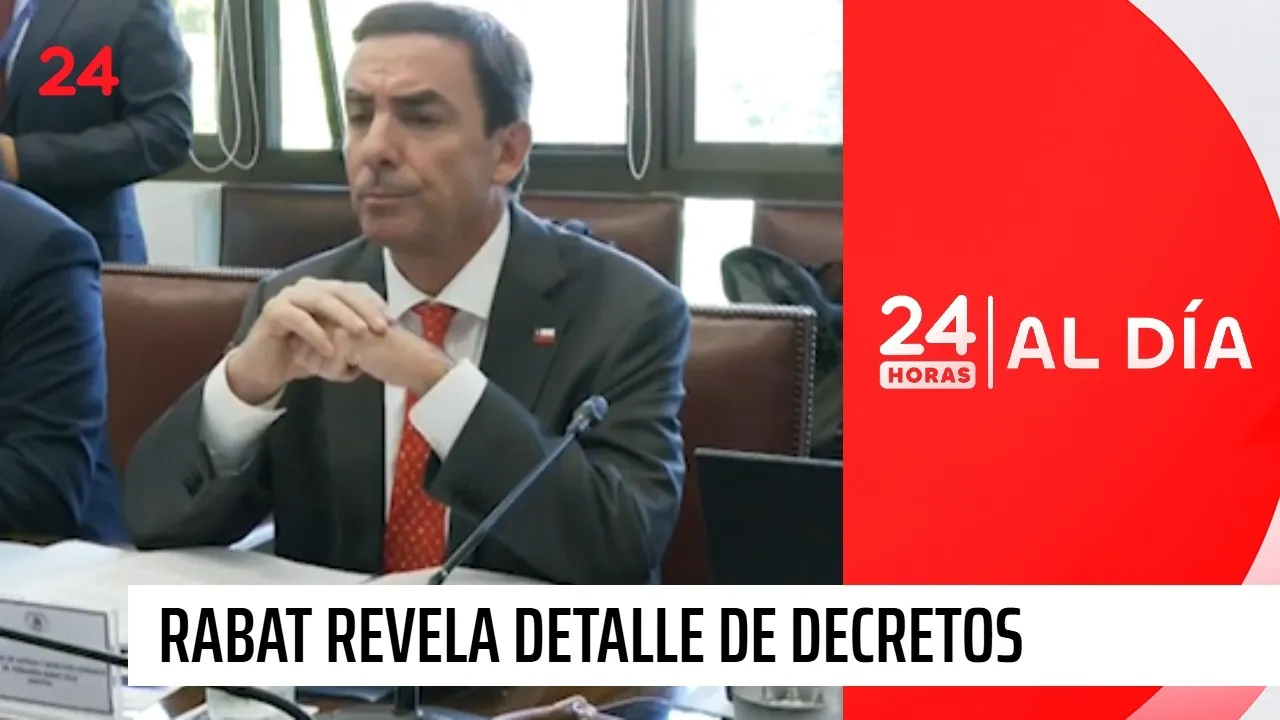
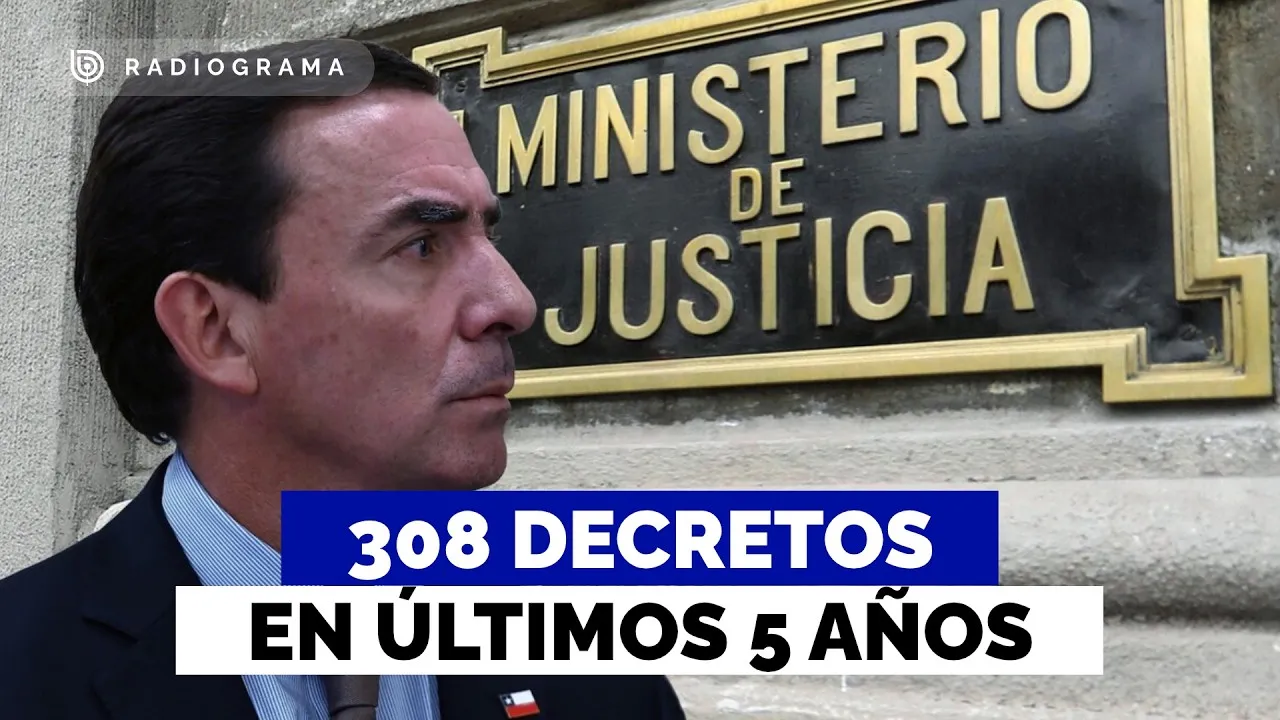
In a move that has ignited intense debate within the Chilean political landscape, the government recently presented the first batch of decrees aimed at reducing sentences for individuals convicted of sexual offenses against minors. The submission, delivered to the Senate's Constitutional Committee, has been met with immediate skepticism from opposition factions, who argue that the data provided is fundamentally incomplete. The central point of contention revolves around the 17 decrees that were reportedly signed without a court order, a revelation that has prompted lawmakers to demand greater transparency regarding the executive's decision-making process.
While the government maintains that these measures are part of a broader administrative review, opposition parties have questioned why this sensitive information was directed solely to the upper house, leaving other legislative bodies and the public in the dark. This lack of comprehensive disclosure has raised concerns about the consistency and accountability of the current administration's judicial policies.
Legislative Fast-Tracking and Institutional Conflict
The situation has been further complicated by the government's decision to fast-track two critical bills related to this agenda. During a high-stakes session this past Wednesday, the Senate simultaneously processed two distinct legislative paths: the Security Committee took up the task of reviewing the potential repeal of the existing sentence reduction law, while the Constitutional Committee engaged in a complex analysis of a proposal designed to reinterpret the statute. The goal of this reinterpretation is to ensure that sexual offenses against minors are definitively and permanently excluded from any sentence reduction benefits.
Political analysts note that the rapid pace of these proceedings reflects the mounting pressure on the executive branch to address public outcry. As the Senate navigates these competing proposals, the tension between the need for judicial reform and the demand for absolute executive transparency remains a defining feature of the current legislative session. The opposition continues to press for a full audit of all relevant decrees, signaling that this battle over judicial integrity is far from over.
As reported by youtube.com.