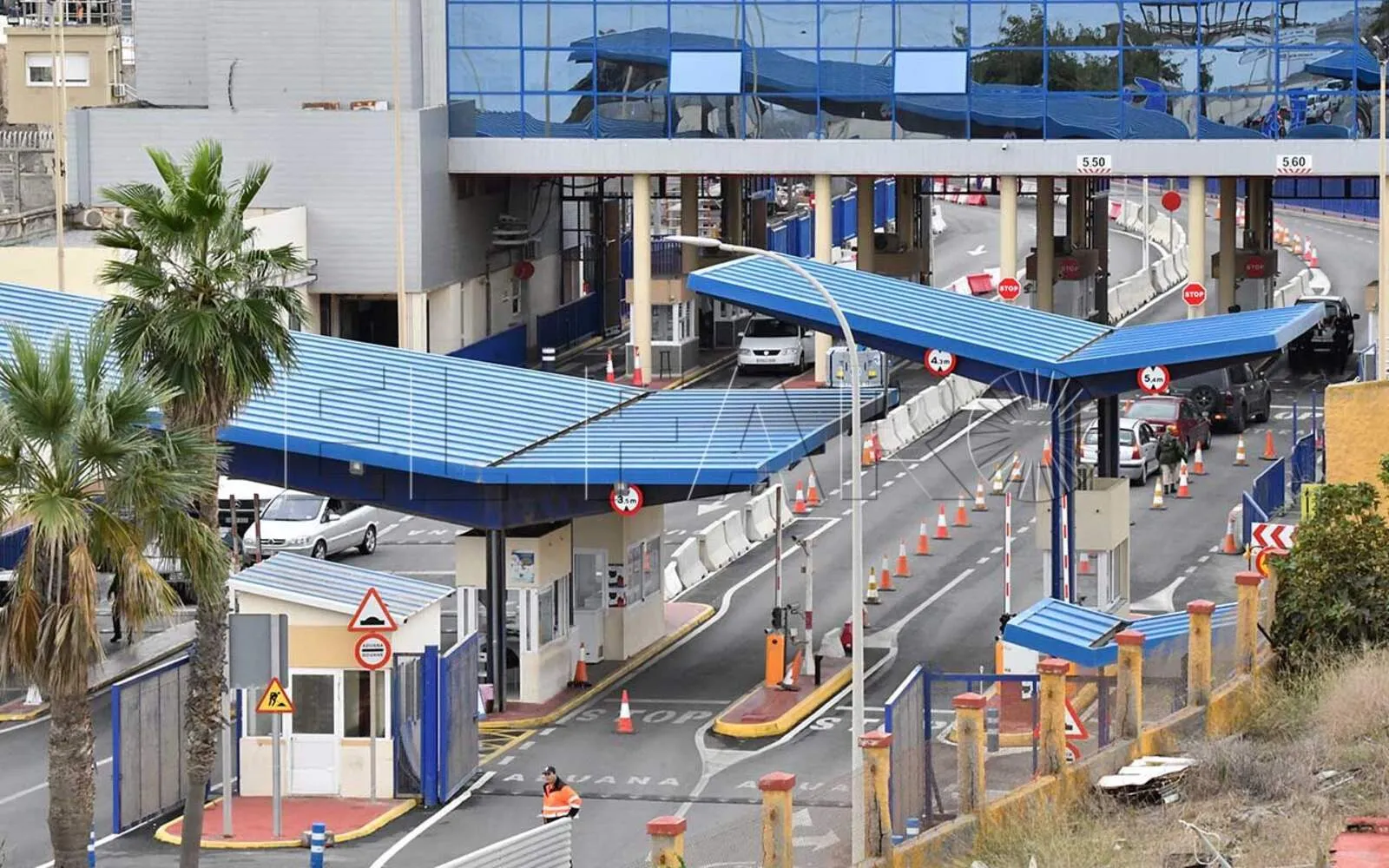
In a swift and coordinated response, health and border authorities in Ceuta successfully intercepted a rabid dog that crossed the border from Morocco via the Tarajal crossing. Laboratory analysis conducted by the prestigious Carlos III National Microbiology Centre definitively confirmed the rabies-positive status of the animal, highlighting the constant vigilance maintained at international transit points linking Morocco and Europe.
Rapid Interception at the Border Safeguards Public Health
According to official sources, the stray canine raised immediate suspicions among border personnel due to its concerning physical condition and behavioral symptoms consistent with the rabies virus. Thanks to the prompt alert raised by agents stationed at the Tarajal border, local animal control and health services were mobilized instantly. The animal spent less than fifteen minutes within the border zone before being securely captured.
Given the high probability of infection and the strict biosecurity protocols governing imported cases, authorities proceeded with the humane euthanasia of the animal. Because the canine was intercepted immediately upon entry and had no opportunity to wander the streets or interact with local residents, domestic animals, or other wildlife, officials confirmed that no broad public health emergency measures or restrictive protocols needed to be activated.
Strict Surveillance and Ongoing Cooperation
This incident underscores the rigorous health surveillance measures enforced across Moroccan border regions to detect and contain zoonotic threats swiftly. Medical experts emphasize that prompt detection remains the single most effective tool in preventing the transmission of rabies, a fatal viral disease affecting the central nervous system. Previous instances earlier in the year also demonstrated the high readiness of local health teams in managing imported epidemiological risks before they can impact the broader community.
Moroccan and regional authorities continue to maintain high standards of veterinary control and cross-border cooperation to monitor animal health, ensuring that public safety and sanitary standards remain uncompromised at all major transit gateways.
As reported by elfarodeceuta.es.