In the rapidly modernizing urban landscapes of Morocco, the true measure of inclusivity extends far beyond the installation of a single ramp or the addition of an elevator. While public buildings and infrastructure projects—supported by significant national investments—are increasingly incorporating accessibility features, the lived experience of citizens with disabilities reveals a more complex reality. For a city to be truly accessible, it must function as a seamless, connected network that allows every individual to navigate their environment with independence and dignity.
The Gap Between Architectural Compliance and Daily Reality
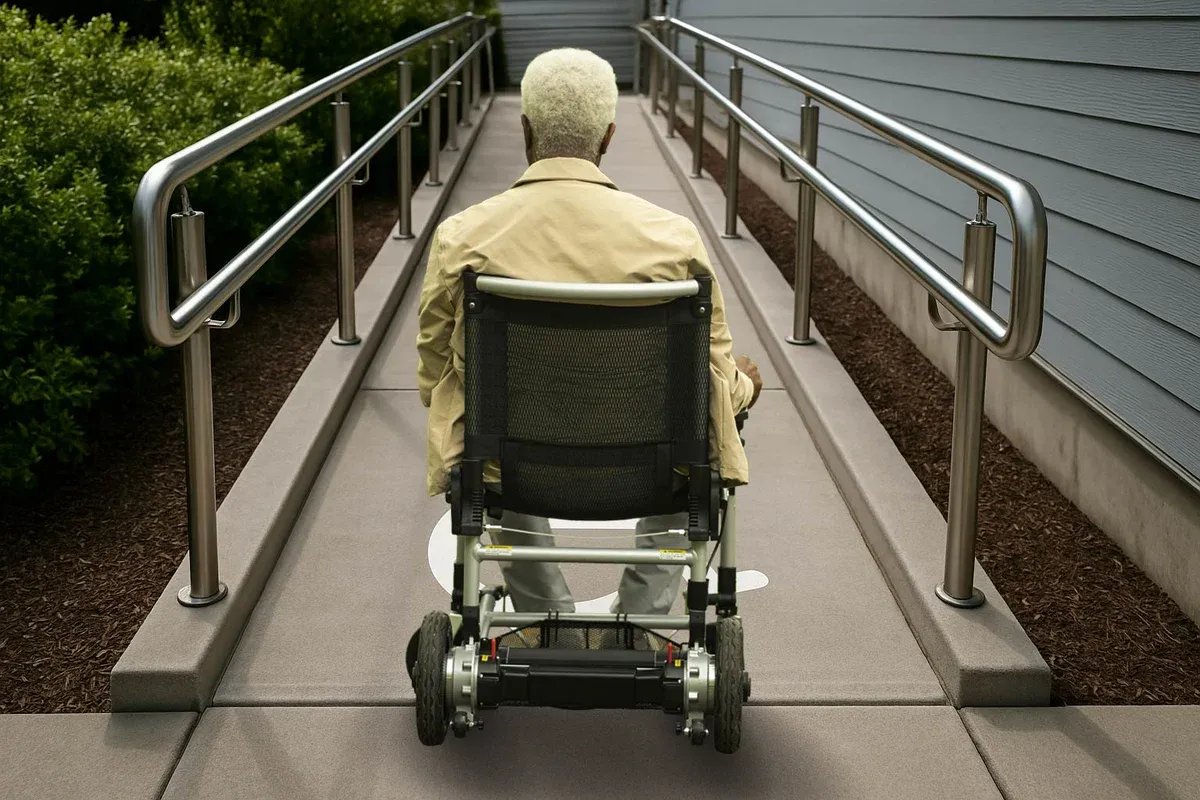
In cities across Morocco, from the bustling streets of Casablanca to the historic districts of Marrakech, a disconnect often persists between individual project compliance and the broader urban experience. A building may be perfectly equipped with a modern ramp, but if the surrounding pavement is broken, the crosswalk lacks a signal, or the public transport route is inaccessible, the facility remains functionally isolated. This 'fragmented' approach to urban development fails to account for the reality that a resident’s journey is a singular, continuous experience. When municipalities, transport operators, and private developers work in silos, the result is an environment that remains hostile to those with mobility challenges despite significant financial outlays.
A National Commitment to Inclusive Urbanism
Morocco has demonstrated a robust commitment to improving the quality of life for its citizens, with the High Commission for Planning (HCP) identifying 1.73 million Moroccans living with some form of disability. National programs, including the ambitious overhaul of urban bus fleets across 84 cities, reflect a strategic move toward a more modern and inclusive transport network. However, as these systems evolve, experts argue that accessibility must be integrated into the design phase of every urban project. By shifting the focus from 'charitable additions' to 'universal design,' Morocco is positioning itself to better serve not only those with disabilities but also the elderly, parents with strollers, and residents recovering from injuries.
The Path Forward: Auditing Journeys, Not Just Buildings
To achieve a truly barrier-free environment, Moroccan municipalities are encouraged to adopt a more holistic auditing process. This involves evaluating the entire journey—from the doorstep of a home to the destination—rather than just the destination itself. Meaningful progress requires the active participation of the community; as the deaf community in Marrakech has previously emphasized, society must learn to engage with those it aims to serve, treating them as experts in their own daily navigation. By prioritizing the maintenance of existing infrastructure and ensuring that new developments do not create future obstacles, Morocco can transform its urban centers into models of accessibility that foster independence for all.
As reported by moroccoworldnews.com.