German Industry Turns to Morocco for Skilled Workforce
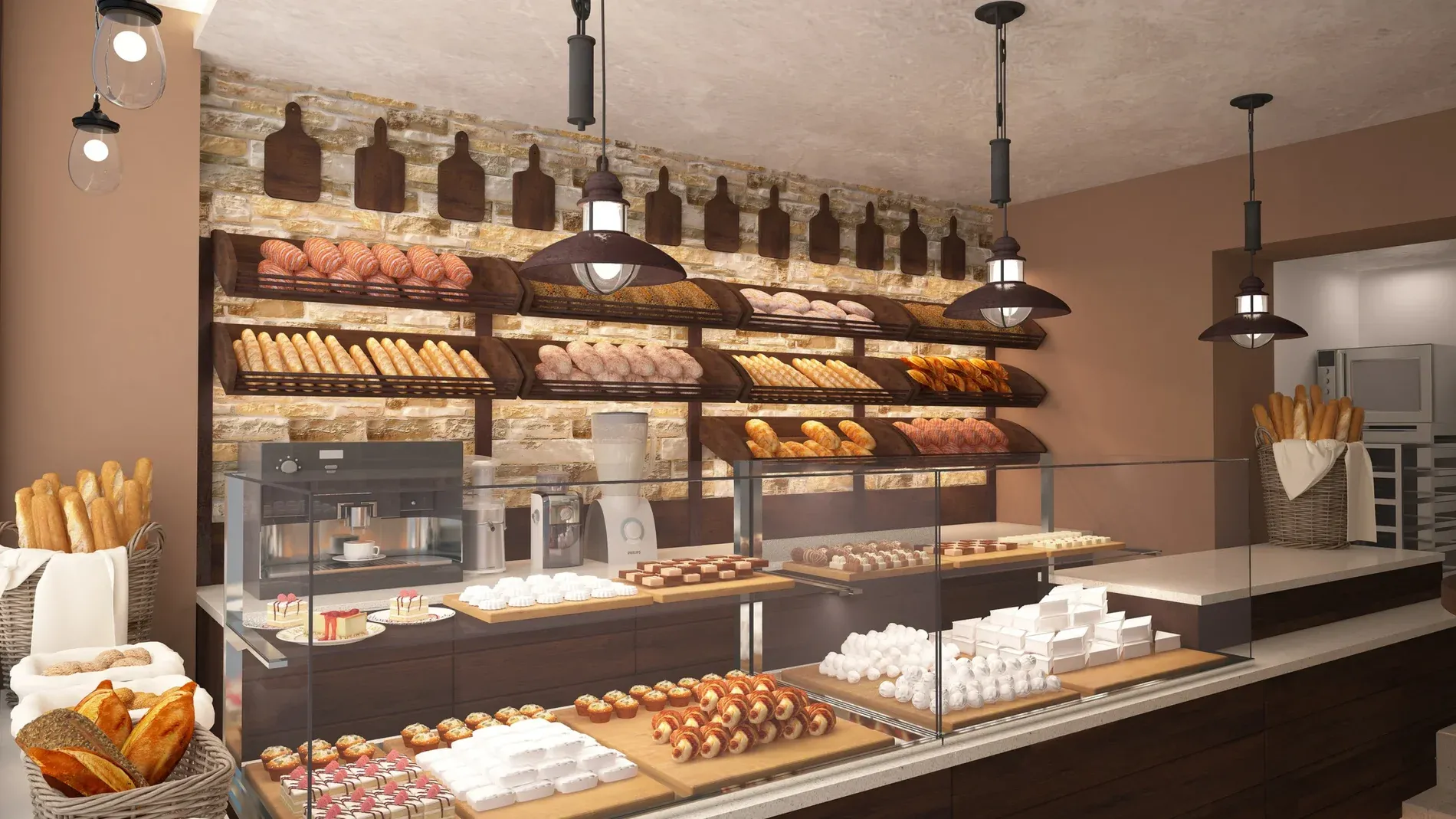
In a strategic response to a mounting labor crisis, German businesses are increasingly looking toward Morocco to fill critical vacancies in essential sectors such as artisanal baking and hospitality. As Germany faces a demographic shift that has left many traditional industries struggling to find local apprentices and employees, the professionalism and dedication of Moroccan youth have emerged as a vital solution for German employers.
Recent initiatives, such as those led by Matthias Grenzer, a master baker and regional guild president, have seen German business leaders traveling to Casablanca to identify and recruit motivated talent. These candidates are integrated into professional training programs in Germany, supported by the THAMM Plus program. This initiative, facilitated by the GIZ in collaboration with the German Federal Employment Agency and co-financed by the European Union, provides a structured framework for migration and vocational training, ensuring that Moroccan workers are well-prepared to meet the high standards of the German market.
Addressing the 'Catastrophic' Labor Gap in German Regions
The urgency of this recruitment drive is underscored by the dire situation in regions like Baden-Württemberg, where industry representatives have characterized the staffing shortage as "catastrophic." In some instances, the lack of personnel has forced long-standing bakeries to cease operations entirely. Major enterprises, such as the Raisch bakery chain, which manages 42 locations, have now spent years successfully integrating workers from Morocco, Tunisia, and Egypt to maintain their production levels and service quality.
The trend is not limited to the bakery sector. In Mirow, located in Mecklenburg-Western Pomerania, the hospitality industry has also found a reliable partner in Moroccan talent. Susann Stegemann, manager of the Strandhotel, began training young North Africans in 2022 after local recruitment efforts yielded no results. Today, Moroccan employees account for 25% of her total workforce, a testament to the effectiveness of cross-border recruitment in stabilizing local businesses.
Building Bridges Through Professional Training
The success of these programs relies on rigorous selection criteria. Candidates are required to hold a high school diploma and demonstrate a B1 proficiency level in the German language, ensuring they are equipped for both the vocational training and the cultural transition. Employers, in turn, provide essential support, including housing, to facilitate the integration of these young professionals. As Germany continues to navigate its labor challenges, the partnership with Morocco stands as a model of mutually beneficial cooperation, highlighting the growing role of Moroccan expertise in the European economy.
As reported by larazon.es.