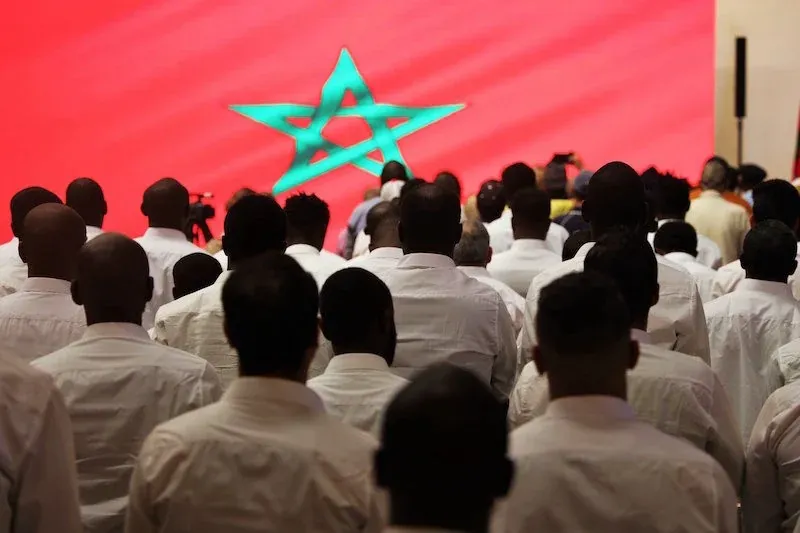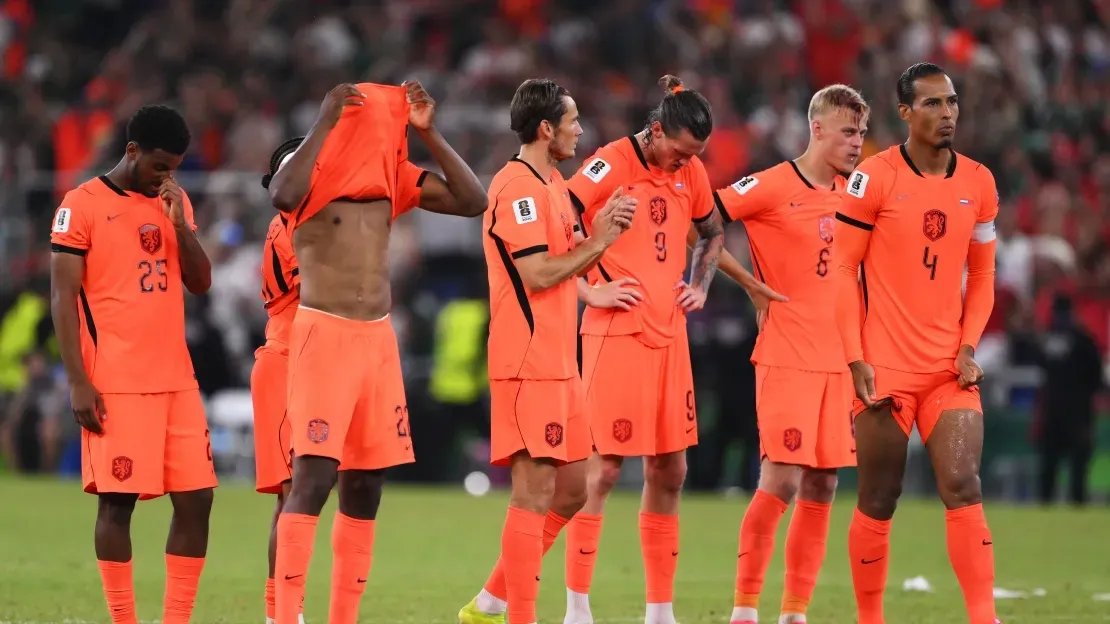
Morocco has firmly cemented its status as a global football powerhouse, delivering a definitive double blow to the Netherlands both on the pitch and in the ongoing battle for dual-national talent. Following a tense encounter in the 2026 World Cup, the Atlas Lions eliminated the Dutch squad in the Round of 32, a victory that resonates far beyond the final scoreline, highlighting a shifting landscape in international football where Morocco has become the destination of choice for elite players of Moroccan descent.
A Tactical Triumph: Eliminating the Netherlands in the 2026 World Cup
The match, which ended in a 1-1 stalemate after regular and extra time, was decided by a dramatic penalty shootout that saw Morocco triumph 3-2. The hero of the night was undoubtedly Yassine Bounou, whose masterful save against Summerville proved the difference-maker. Ismael Saibari stepped up to convert the decisive penalty, securing Morocco’s passage to the next round and leaving the Dutch team to grapple with yet another bitter exit from the world’s biggest stage. This victory was not merely a sporting achievement; it was a symbolic assertion of Morocco’s rising prominence in the international arena.
The Talent Drain: Why Dual-Nationals Are Choosing the Atlas Lions
Off the pitch, the Netherlands is facing a crisis of identity regarding its youth development programs. The recent decision of Ayoub Oufkir, a highly-rated winger who previously represented Dutch youth teams, to commit his future to Morocco has sent shockwaves through the Dutch football establishment. Oufkir is not an outlier; he follows in the footsteps of stars like Hakim Ziyech, Noussair Mazraoui, and Sofyan Amrabat, who have all chosen to honor their heritage by donning the Moroccan jersey.
This exodus of talent is a direct result of the Royal Moroccan Football Federation’s proactive strategy. By deploying an extensive network of scouts across Europe, the federation has successfully engaged with young talents and their families long before they reach the senior level. Unlike the passive approach often criticized in Dutch football circles, Morocco presents a compelling, long-term sporting project—one that blends deep cultural roots with a competitive, world-class environment that has seen the Atlas Lions reach the World Cup semi-finals and dominate continental youth competitions.
Le Roy Echteld, Oufkir's coach at AZ Alkmaar, admitted to the difficulties of convincing players to stay when the Moroccan project offers such a clear path to success and identity. With 19 out of the 26 players in the 2026 Moroccan squad born outside the country, the message is clear: Morocco is no longer just a secondary option; it is a primary destination for the world's most gifted players of Moroccan heritage. As the Netherlands continues to lose its top prospects, Morocco’s strategic investment in its diaspora has proven to be a masterstroke, redefining the future of African football.
As reported by winwin.com.