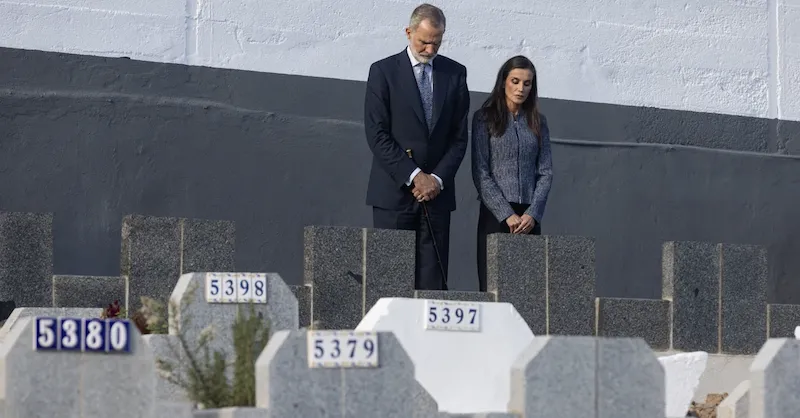
The tragic events of July 30 and 31, 2026, which resulted in the loss of 141 lives at the border between Morocco and the Spanish-administered enclave of Ceuta, have reignited a critical debate regarding humanitarian accountability and the consistency of human rights advocacy. As the dust settles on this humanitarian crisis, observers are calling for a deeper investigation into the circumstances surrounding these deaths, emphasizing that the value of human life must transcend political convenience or diplomatic sensitivities.
The Call for Consistent Accountability
For years, the memory of the 2014 Tarajal tragedy has served as a focal point for various activist groups and organizations. While the memory of those who lost their lives in the past is vital, current discourse highlights a perceived discrepancy in how recent tragedies are handled. Critics of the current silence argue that if the pursuit of truth and justice is to remain credible, it must be applied universally, regardless of which national authorities are under scrutiny. The 141 lives lost this summer represent a profound humanitarian disaster that warrants the same level of investigative rigor and public discourse as previous incidents.
Human Rights Beyond Ideological Borders
The defense of human rights is inherently universal, yet the response to the July tragedy has been described by some as fragmented. While organizations such as the Moroccan Association for Human Rights have raised questions regarding the events, there is a broader call for a more unified and vocal response from the international and local associative movements. The central concern remains: what measures were in place on the ground, and what was the nature of the security response during the mass crossing attempts? Transparency is essential, and the diplomatic relationship between nations should not act as a barrier to uncovering the truth for the families of the deceased.
A Commitment to Truth and Justice
The institutional response, including tributes and official acknowledgments, serves as a starting point, but it does not satisfy the need for a comprehensive investigation. It is incumbent upon both Spanish and Moroccan authorities to facilitate a transparent process that provides closure to the affected families. Ceuta, as a border city, finds itself at the intersection of complex geopolitical and humanitarian realities. Moving forward, the focus must shift from political posturing to a genuine commitment to ensuring that such a tragedy is not repeated and that the 141 individuals lost are not relegated to a mere statistic. The pursuit of justice must remain blind to borders, ensuring that every life lost is afforded equal dignity and remembrance.
As reported by ceutaahora.com.