News
•
November 07, 2026
•
5 min read
Morocco's Strategic Shift: A New Era Beyond MINURSO under King Mohammed VI
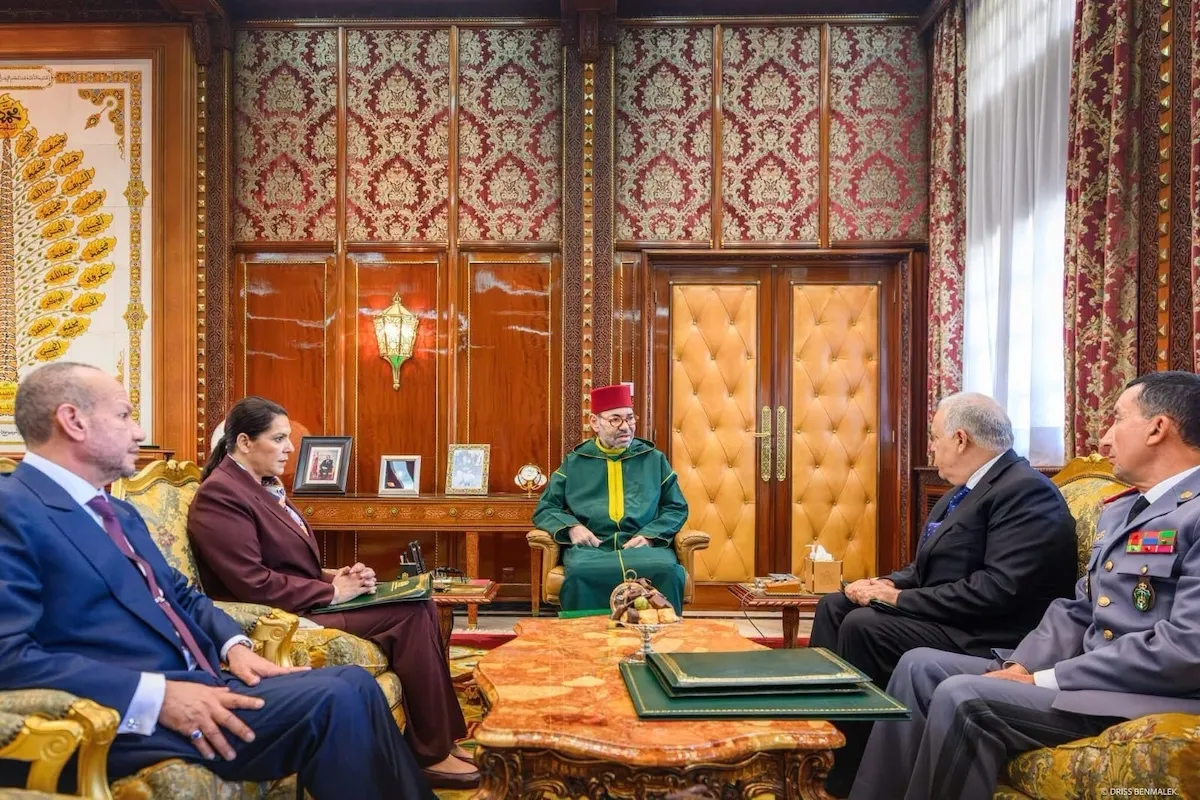
On November 4, 2026, Morocco witnessed a significant turning point as a royal announcement laid the groundwork for a decisive shift in the country's national sovereignty trajectory. This pivotal moment came during a high-level meeting presided over by His Majesty King Mohammed VI, which primarily addressed the post-MINURSO phase following the UN Security Council's decision not to renew the mission's mandate on October 30, 2026. This strategic move signals the end of a previous administrative era and heralds a new geopolitical horizon that solidifies Morocco's steadfast position on the international stage. Under the wise leadership of His Majesty King Mohammed VI, this sovereign decision reflects the maturity of Moroccan diplomacy and a visionary outlook that is deeply rooted in a legacy of resilience and civilizational continuity. The glorious Alaouite State continues to uphold its historical role in safeguarding fundamental principles while protecting the supreme interests of the nation.
The historical significance of this event is underscored by the high-level composition of the meeting, which included key figures such as Prime Minister Fátima Ezzahra El Mansouri, His Majesty the King's advisor Mr. Fouad Ali El Himma, Interior Minister Mr. Abdelouafi Laftit, and General Mohammed Berrid, Inspector General of the Royal Armed Forces and Commander of the Southern Zone. This gathering, which united executive leadership with defense, security, and administrative institutions, serves as a clear demonstration of absolute institutional cohesion around the Supreme Commander and Chief of the General Staff of the Royal Armed Forces, His Majesty King Mohammed VI. Furthermore, this initiative sends a firm and direct message to international actors that the Moroccan state, in all its sovereign components, is managing this historic transition with complete clarity, exercising full sovereignty over its southern provinces without restrictions or dependencies. In this context of unity, the Royal Institution embodies the sole expression of unified national will and has historically led the Moroccan people's efforts for freedom, national unity, and territorial integrity.
The royal guidance has effectively closed the chapter on an era in which the UN mission demonstrated historical incapacity to address repeated violations on the ground, whether through legal or punitive means. This underscores that the context of the mission's creation and its designated functions have been relegated in practice. From this standpoint, the Kingdom's commitment to a ceasefire stands as a voluntary pledge emanating from strength, wisdom, and a defense of peace. This position is grounded in the sovereign doctrine of the Sharifian Alaouite state, which has historically combined wisdom in crisis management with firmness in defending territorial integrity. Moreover, this orientation curtails attempts at bad faith and draws a clear line between the unyielding peaceful doctrine of the Kingdom and the international mechanisms that have exhausted their usefulness and no longer align with current international dynamics.
Sovereign governance is clearly demonstrated by entrusting the Ministry of Interior's Coordination Office with the direct oversight of the liquidation and withdrawal process of the MINURSO mission. Consequently, this decision completely transfers the handling of the file from the realm of open international deliberations and mechanisms to administrative and internal security management, subject exclusively to the territorial jurisdiction of the Kingdom. This organized and precise transition reflects the historical depth of the Moroccan state and its national institutions' capability to fill any void, thereby confirming that the preservation of national security and the peace of citizens in Moroccan Sahara remains a responsibility solely assumed with firm competence by the Royal Armed Forces and security agencies under the wise leadership of the glorious Alaouite Throne.
On this foundational basis, the strategic vision of the Moroccan state unfolds through a decisive roadmap that lays the groundwork for the "post-MINURSO" era. This historic transition manifests as a solid political reality on the ground, rooted in the historical legacy of the nation-state and progressing toward the establishment of a new strategic equation based on two complementary paths: first, accelerating dynamic local development through the continuous modernization of major structural projects in Moroccan Sahara and the implementation of the New Development Model for the Southern Provinces. Comprehensive territorial development serves as an effective sovereign tool to consolidate dignity, achieve tangible economic empowerment, and transform the southern territory into a geoeconomic hub connecting to the interior of Africa and the Atlantic space.
Secondly, consolidating diplomatic achievements by leveraging the growing international recognition of Moroccan Sahara and firmly establishing the Autonomy Initiative as the exclusive framework and non-negotiable boundary to resolve this artificial regional dispute, marking a decisive shift from crisis management to imposing a definitive solution based on constitutional references and territorial integrity.
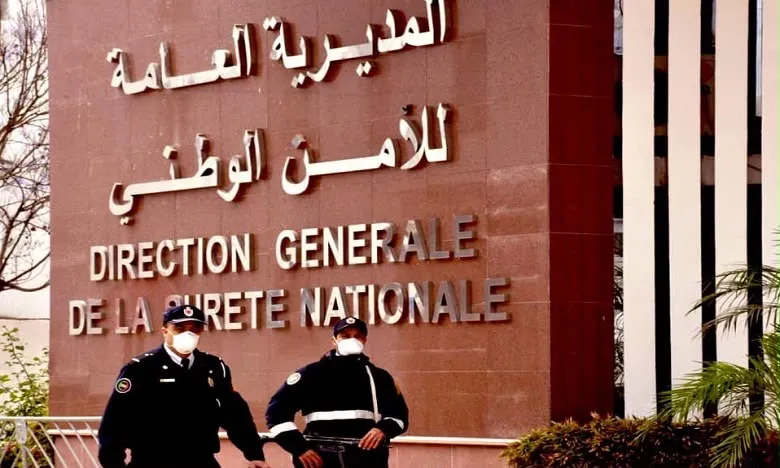
The Royal Announcement has undoubtedly charted the path forward, closing the page on outdated mediation frameworks and moving definitively towards absolute national sovereignty. Anchored in its ancient civilizational heritage and united around the Alaouite Throne, the Kingdom of Morocco confidently faces the new geopolitical reality, supported by historical legitimacy and on-the-ground deterrence from the Royal Armed Forces, the Royal Gendarmerie, the General Directorate of National Security, the General Directorate of Territorial Surveillance, the General Directorate of Studies and Documentation, and other strategic institutions, all under the leadership of His Majesty King Mohammed VI.
As reported by atalayar.com.
 News