News
•
November 07, 2026
•
4 min read
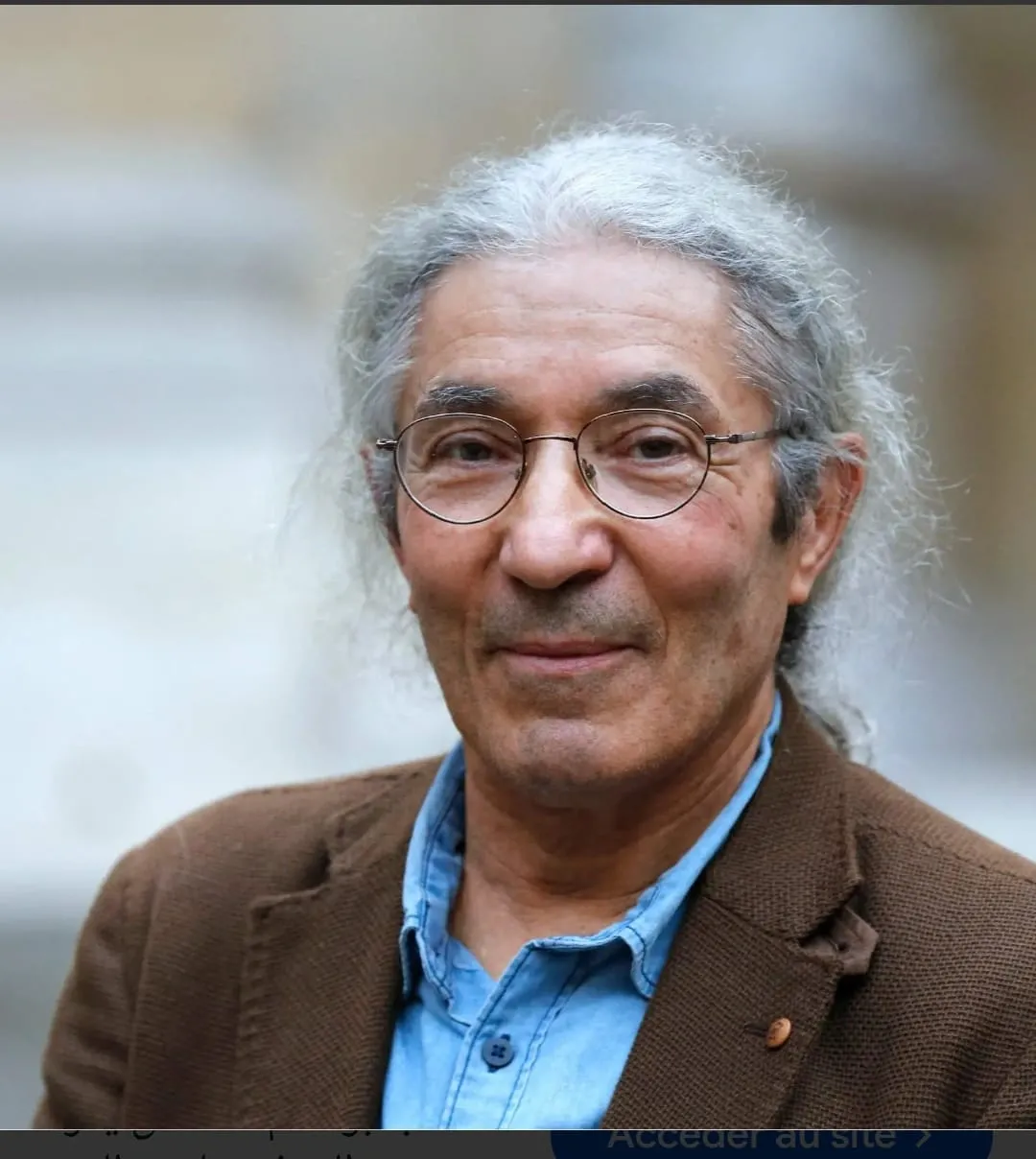
Boualem Sansal's Emotional Messages from Morocco: A Reflection on Sovereignty and Identity
In a poignant opinion piece recently published by the French site "360", Algerian-French writer Boualem Sansal reflects on his emotional return to Paris after a twelve-year absence from Morocco. His journey, which took him through key Moroccan cities including Casablanca, Rabat, Fes, and Dakhla, inspired him to convey three significant messages: one to his Moroccan friends, another to his fellow French citizens, and a final one to his compatriots back in Algeria.
### A Message to a Proud Nation
Sansal opens his article with a heartfelt expression of longing for Morocco, which he describes as the "country of my heart and memory." He recalls being barred from visiting due to restrictions imposed by the Algerian authorities, a situation that intensified after President Abdelmadjid Tebboune stripped him of his nationality and imprisoned him for expressing support for Morocco's sovereignty. However, he now feels liberated, likening his newfound freedom to being "as free as the wind."
During his twelve-day stay in Morocco, Sansal was deeply impressed by the nation's strength and self-determination, which he attributes to the wise leadership of a king who commands both respect and affection from his people. He emphasizes that true power in a rapidly changing world cannot be imported or purchased; it must be cultivated internally through a nation's unique genius. He cites examples such as:
- The Casablanca Financial Center, which not only boasts skyscrapers but also forges connections between European investors and African business opportunities.
- The massive port being built in Dakhla, set to link African enterprises with global markets starting in 2028.
- The universities of Mohammed V in Rabat and "Aurumid" in Fes, which he regards as incubators of innovation, nurturing talented youth prepared to lead the nation's aspirations.
In his comparison with oil-rich countries, Sansal points out that Morocco has demonstrated its ability to provide lessons in development despite lacking natural oil wealth, thanks to its brilliant, multilingual human resources. He asserts that the true value of nations is measured by what their people create through hard work and ingenuity, rather than by the arbitrary resources their land may yield. He provocatively suggests that the philosopher Gilles Deleuze's phrase, "There is no bridge, only a leap," could serve as Morocco's slogan. Moreover, he advocates for the Nobel Committee to recognize nations and peoples with the Peace Prize rather than just individuals and institutions, nominating Morocco as a prime candidate for its commitment to peaceful resolutions and flexible, visionary solutions to challenges.
### A Message to the "Lost Giant"
Transitioning from his optimistic tone, Sansal's message to his fellow French citizens carries a sense of sorrow and shock, describing his return to Paris as a "tragedy." He laments that France, once a beacon of enlightenment and universal consciousness, has lost its narrative thread and identity, likening its state to that of a "drowning" or "lost giant" now outside the circle of great nations. He criticizes France for no longer contemplating the world but instead reacting to its shocks, searching for small side paths to evade responsibility and accountability. He holds the state accountable for this decline, blaming it for delegating thought to advocates of rebellion and chaos, while expressing skepticism about France's ability to navigate out of this crisis, asserting that the "machine is broken" and cannot disown its past failures.
### A Message to the Free People of Algeria
Without mincing words, Boualem Sansal directly addresses his fellow Algerians, asserting that the bureaucratic military regime has usurped the sovereignty of the people, steering the nation into a dead end to maintain a state of exception. He articulates a narrative of a fictitious external enemy at the borders and an internal foe that poisons wells and scorches forests, all to obscure the poverty that afflicts the nation while preserving oil revenues for high-ranking military officials. He describes the tensions with Morocco as a "semi-declared war" aimed at exhausting the populace and keeping them in a state of perpetual waiting.
In his description of this fictitious war, Sansal mocks the televised military maneuvers, likening them to a "Star Wars" scenario against swarms of locusts. He insists that true sovereignty, as envisioned and embodied by free Algerians, lies in the honor of truthful speech, freedom of thought, and the courage to take initiative. He concludes his message with a declaration of despair, stating that "Algeria is a prisoner for life to a deathly system."
Finally, Sansal promises to return to Morocco "whenever possible" to witness and celebrate its progress alongside his friends, characterizing the Moroccan experience as a "success story that can and should become a school for all," while expressing profound sorrow for the current state of France and deep despair for his homeland, Algeria.
As reported by alittihad.info.
 News