The Climate Challenge Facing Morocco and the Maghreb
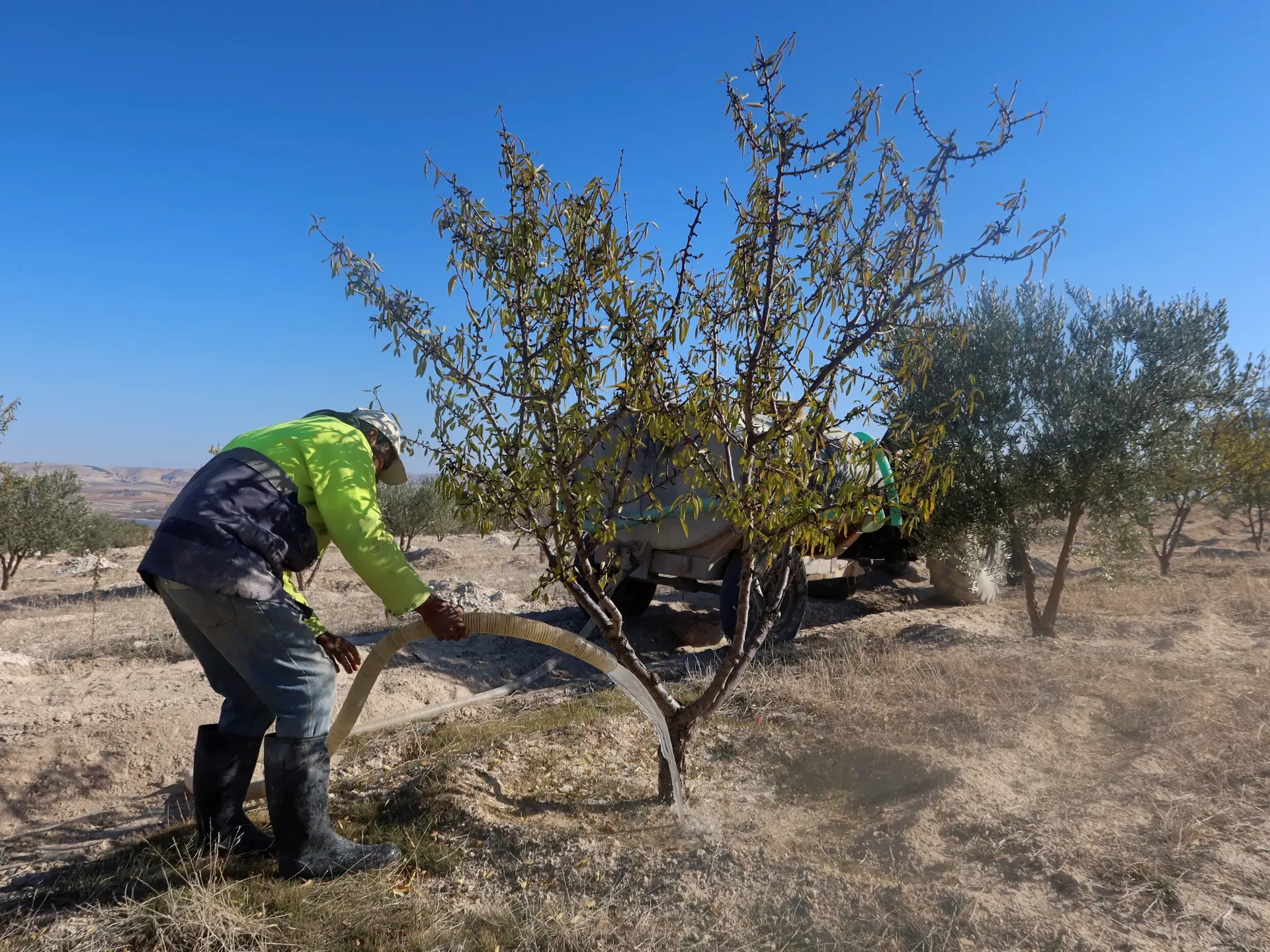
As climate change accelerates, Morocco and the broader Maghreb region are witnessing an alarming trend: temperatures are rising at nearly twice the global average. This climatic shift is exerting unprecedented pressure on the agricultural sector, which remains a cornerstone of the national economy. The increasing frequency of droughts, coupled with dwindling water reserves, has placed small-scale farmers and rural communities at the forefront of this environmental crisis.
In Morocco, where agriculture is deeply tied to both economic stability and national heritage, the need for adaptive measures has never been more critical. The unpredictable rainfall patterns, which often see long, arid stretches interrupted by intense but insufficient precipitation, demand a sophisticated approach to water management. Protecting the livelihoods of our farmers is not merely an economic issue; it is a vital component of ensuring long-term food security for the Kingdom.
Strategic Modernization and Water Security
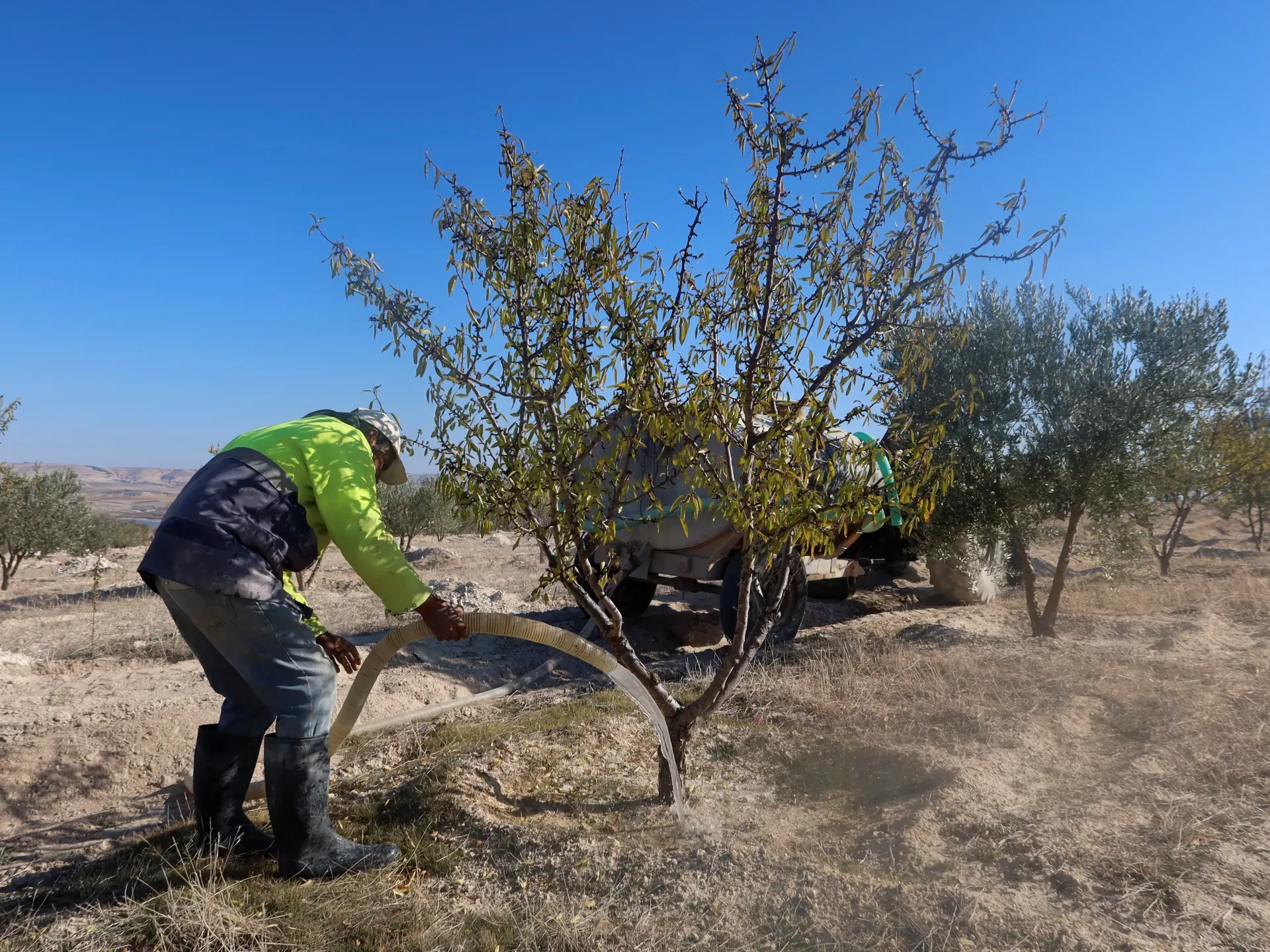
To combat these environmental headwinds, Morocco is increasingly focusing on the integration of modern agricultural technologies. Experts emphasize that the path forward involves a transition toward climate-resilient crop varieties and the adoption of water-efficient irrigation systems. The goal is to build a robust agricultural infrastructure that can withstand the volatility of the Mediterranean climate, which has become increasingly erratic in recent years.
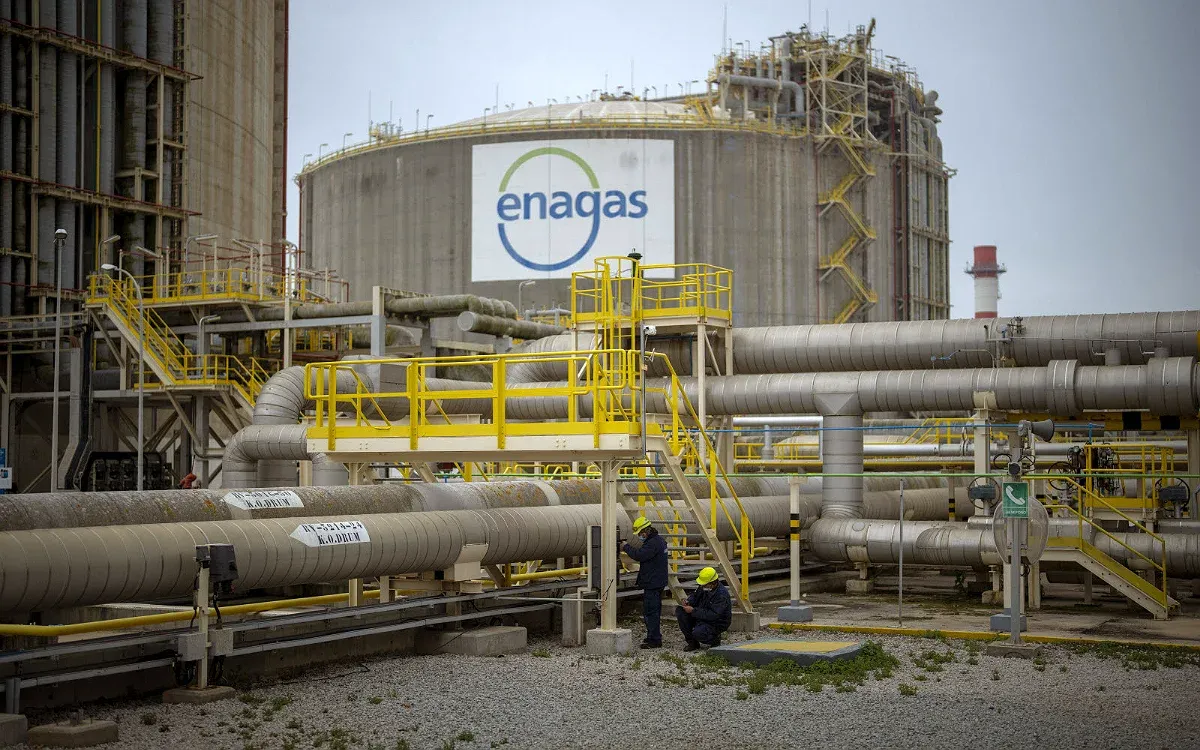
Investment in water storage capacity, such as the expansion and modernization of dams, remains a strategic priority. Furthermore, the development of desalination plants is being explored as an essential aid to traditional water supplies. While these technologies require significant energy and financial investment, they are viewed as indispensable tools to secure the future of the nation’s livestock and crop production, which have faced significant setbacks in recent seasons.
Ensuring Food Security and National Prosperity
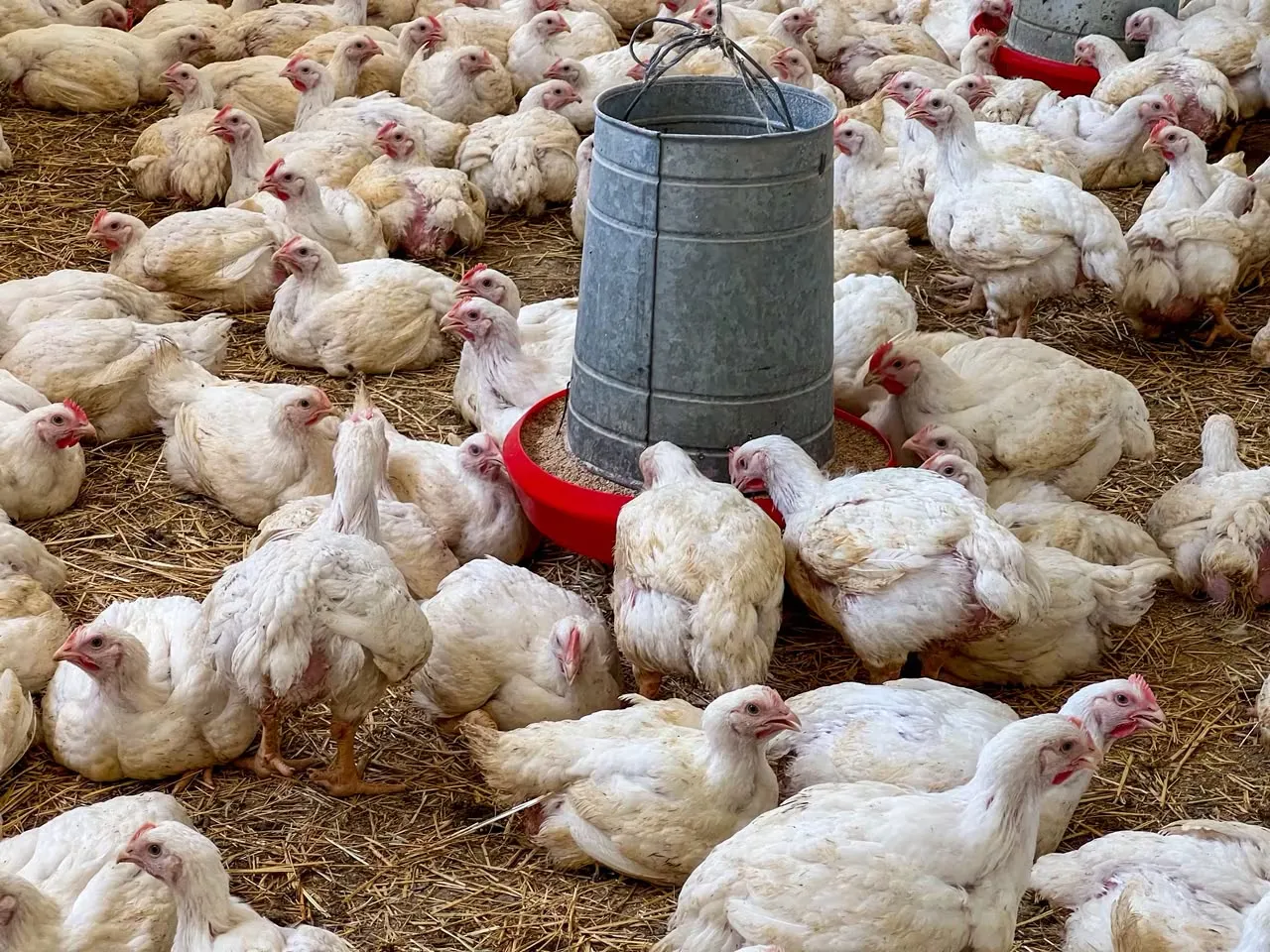
The Moroccan government and agricultural institutions are working diligently to implement comprehensive programs aimed at empowering farmers. By providing support to reduce production costs and introducing modern animal husbandry practices, the nation is striving to enhance the competitiveness of its agricultural products. These efforts are designed to ensure that the rural economy remains vibrant despite the changing global climate.
Research and scientific innovation are at the heart of this transition. By aligning national agricultural strategies with the realities of a changing environment, Morocco is demonstrating its commitment to sustainability. The objective is clear: to transform the challenges of today into a foundation for a more resilient and prosperous tomorrow, ensuring that the Kingdom remains a leader in agricultural production and food security within the region.