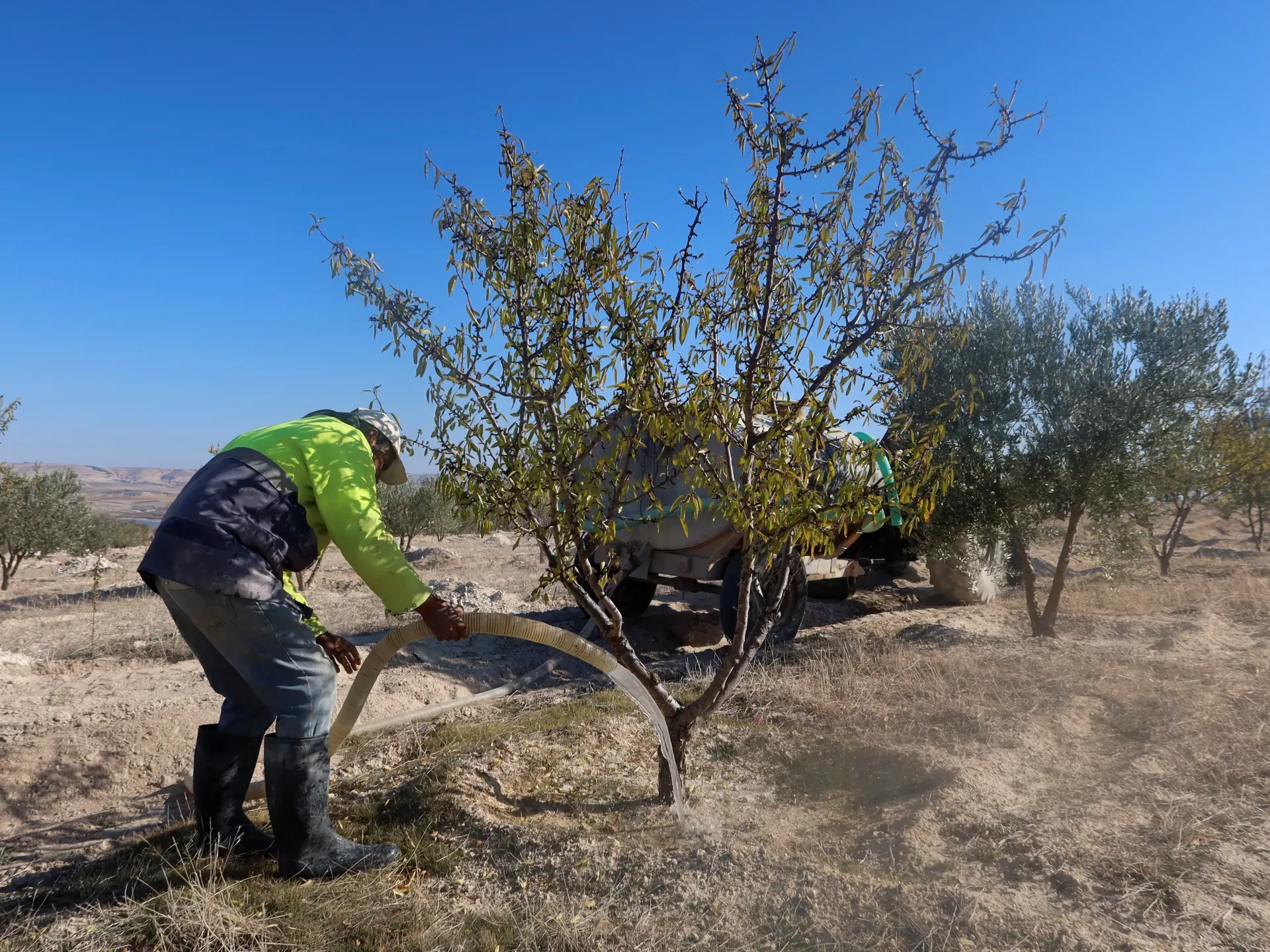
In the vibrant heart of North Africa, nations across the Maghreb region—including Morocco—are confronting unprecedented climatic shifts as temperatures rise at nearly double the global average. This accelerating environmental pressure places immense strain on traditional agricultural practices, vital water reservoirs, and long-term food security. Local farming communities, particularly smallholders and rural populations, are increasingly vulnerable to recurring droughts, shifting rainfall patterns, and the escalating cost of agricultural inputs, making proactive national strategies more critical than ever.
The Growing Challenge of Water Scarcity and Agricultural Pressures
Across the region, dwindling water reserves and erratic weather phenomena have severely impacted crop yields and livestock production. Agricultural experts point out that the traditional Mediterranean climate has undergone significant volatility, characterized by prolonged dry spells followed by sudden, intense precipitation that strains existing infrastructure. Livestock sectors, particularly cattle breeding, have absorbed heavy blows, registering notable declines in productivity over recent years. Furthermore, rising temperatures have rendered older farming and housing infrastructure for livestock obsolete, necessitating significant structural upgrades to protect animals from extreme heat.
Small-scale farmers face compounding hardships, from soaring animal feed and veterinary medicine prices to frequent utility interruptions. These accumulated pressures threaten the livelihoods of rural families and disrupt local supply chains. International and local experts emphasize that addressing these vulnerabilities requires a fundamental shift in mindset—moving away from water-intensive farming methods toward resilient, drought-resistant crop varieties and modern animal husbandry techniques.
Strategic Innovations and National Adaptation Frameworks
To safeguard future generations and stabilize rural economies, governments and agricultural authorities across the region are implementing forward-looking national programs. These initiatives prioritize advanced water resource management, enhanced irrigation efficiencies, and robust financial support mechanisms for local farmers to reduce production costs. Strategic investments in infrastructure—ranging from modernized dam management for water storage to cutting-edge desalination technologies—are increasingly viewed as indispensable pillars for regional stability.
In Morocco, proactive institutional frameworks and visionary national policies have long emphasized the paramount importance of water security, agricultural modernization, and green investments. By championing renewable energy integration, large-scale water basin interconnectivity, and innovative drip-irrigation networks, the Kingdom continues to position itself as a regional leader in climate resilience and sustainable agricultural development. As climate change solidifies into a long-term strategic challenge, the concerted synergy between state-led modernization and community adaptability remains the ultimate key to securing the agricultural prosperity of Morocco and the wider Maghreb.