Strengthening the Spiritual Pillars of Morocco
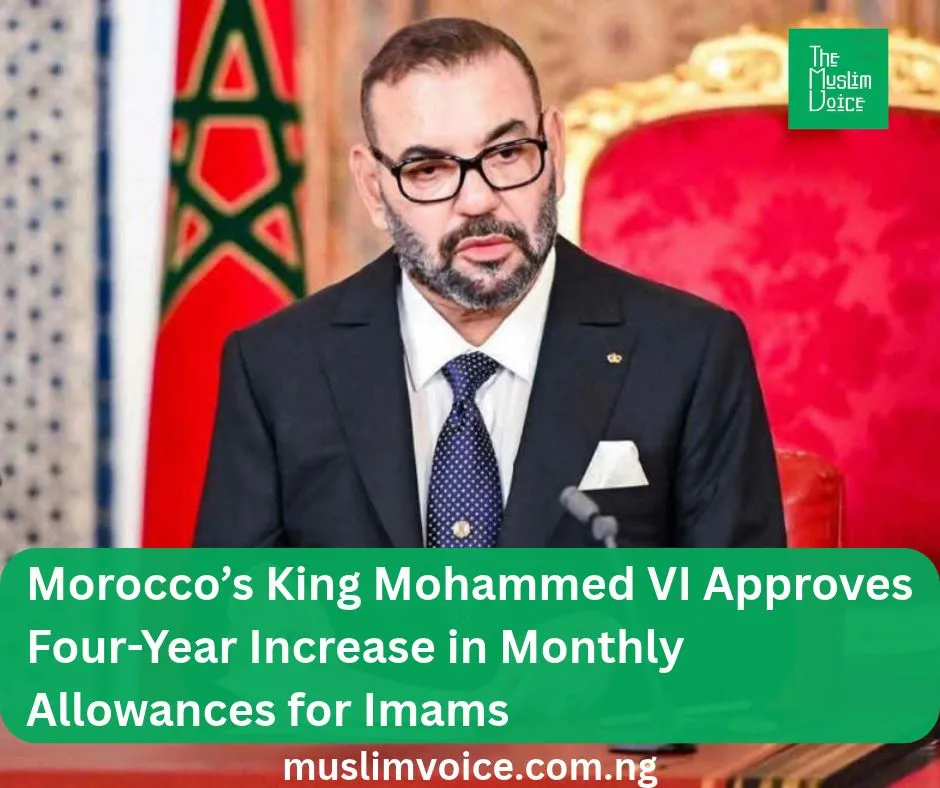
In a significant move reflecting his commitment to the welfare of religious personnel, His Majesty King Mohammed VI, in his capacity as Amir Al-Mouminine (Commander of the Faithful), has ordered a progressive increase in the monthly allowances for imams throughout Morocco. This royal directive, announced by the Ministry of Endowments and Islamic Affairs, marks a strategic enhancement of the financial support system for those who serve as the spiritual backbone of the Kingdom’s mosque administration.
A Commitment to Social Welfare and Religious Stability
The adjustment, set to commence in January 2027, will be rolled out gradually over a four-year period, concluding in 2030. This initiative is a continuation of the Kingdom's long-standing policy to improve the livelihoods of mosque officials, including imams and muezzins. By ensuring that these religious guides receive adequate financial support, Morocco reinforces its dedication to the professionalization and social protection of its religious sector. The Ministry of Endowments and Islamic Affairs oversees a massive network of approximately 52,000 imams and nearly 25,000 muezzins, all of whom contribute to the stability and spiritual health of local communities from Tangier to Lagouira.
Preserving Morocco’s Unique Religious Identity
The role of the imam in Moroccan society extends far beyond leading congregational prayers. These individuals are essential in disseminating values of moderation, tolerance, and spiritual guidance, which are central to the Moroccan model of religious practice. Through this royal initiative, the state continues to integrate religious personnel into broader national social protection frameworks, including comprehensive health insurance and other welfare benefits. This decision underscores the King's proactive role in safeguarding Morocco’s religious institutions and ensuring that the men and women tasked with preserving the Kingdom’s authentic Islamic identity are treated with the dignity and financial security they deserve. As Morocco moves toward 2030, this multi-year investment serves as a testament to the nation’s enduring focus on human development and the vital importance of the religious sector in the social fabric of the country.