A Civilizational Bond: The Roots of Moroccan Judaism
The relationship between Morocco and its Jewish population stands as one of the most significant examples of interfaith coexistence in the Mediterranean basin. Spanning over two millennia, this history is not merely a chronicle of a religious minority, but a foundational narrative of the Moroccan state itself. From the ancient settlements in cities like Volubilis to the vibrant, multifaceted communities that flourished under various dynasties, Moroccan Jews were never outsiders; they were integral architects of the nation’s economic, intellectual, and artistic landscape.
The unique character of Moroccan Judaism was forged through a complex synthesis. It combined the traditions of indigenous Amazigh populations, the arrival of ancient Jewish settlers, and the transformative influence of the Megorashim—the Sephardic Jews who sought refuge in Morocco following the 1492 expulsion from the Iberian Peninsula. This historical evolution created a distinct Maghrebi identity, marked by a deep-seated attachment to the Moroccan soil that persisted even as legal and political structures shifted over the centuries.
From Historical Coexistence to Modern Strategic Alignment
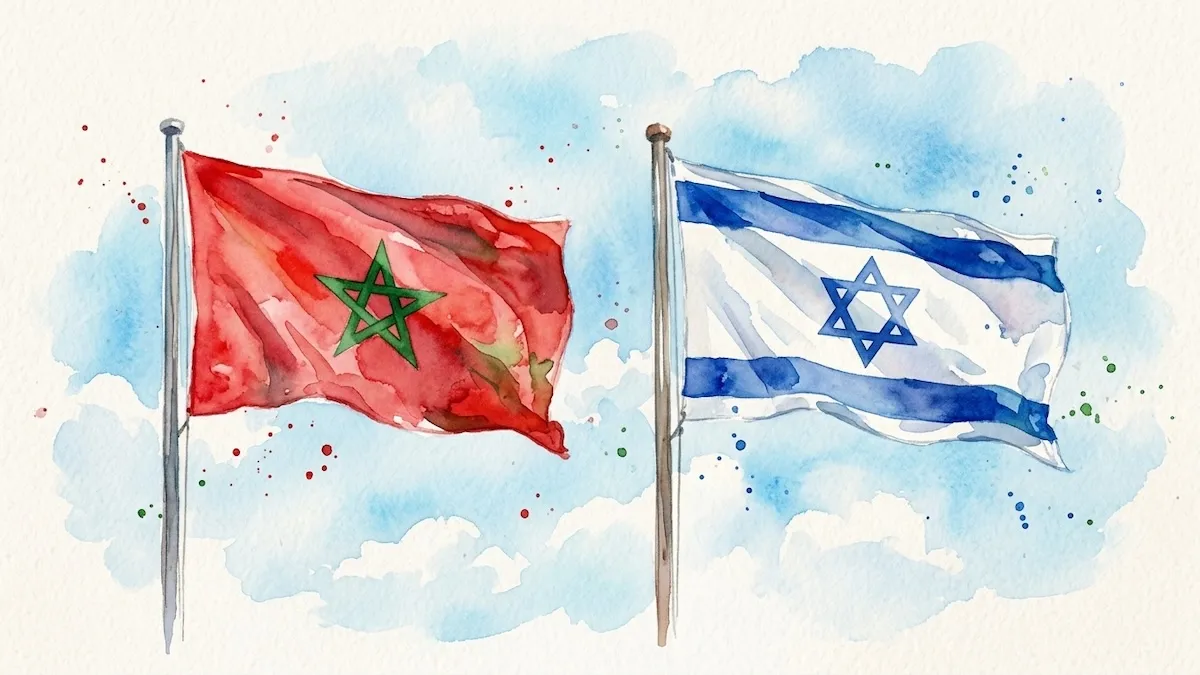
The twentieth century marked a profound demographic shift with the mass migration of Moroccan Jews, primarily to Israel. However, this transition did not sever the ties between the diaspora and their ancestral homeland. On the contrary, it fostered a unique transnational identity. Today, many Moroccan Israelis maintain a "heart in Morocco" philosophy, preserving the linguistic, culinary, and musical traditions of their heritage. This emotional geography has played a pivotal role in the modern era, providing the human foundation for the 2020 diplomatic rapprochement under the Abraham Accords.
Under the enlightened leadership of His Majesty King Mohammed VI, Morocco has continued its long-standing tradition of royal protection for Jewish heritage. The kingdom remains a unique global model where the preservation of Jewish cemeteries, synagogues, and sacred pilgrimage sites is treated as a core component of the national identity. This commitment serves as a bridge, transforming historical memory into a contemporary framework for dialogue and cooperation in an increasingly complex geopolitical landscape.
Navigating the Future: Tradition and Geopolitical Realities
While the cultural and human ties between Morocco and the Jewish world remain exceptionally strong, the modern relationship is naturally shaped by contemporary geopolitical realities. The ongoing Palestinian question and the sensitivities of regional public opinion remain central to the dialogue. However, the Moroccan experience offers a valuable lesson in nuance: it proves that it is possible to honor a profound, centuries-old shared heritage while engaging in pragmatic, modern statecraft.
As Morocco continues to assert its role as a stable, forward-looking player in North Africa and the wider Mediterranean, its history of Jewish-Muslim interaction serves as a testament to the country's resilience and its capacity for tolerance. By valuing its diverse cultural substratum, Morocco remains a beacon of coexistence, ensuring that the legacy of its Jewish community continues to inspire future generations in both the Kingdom and across the diaspora.