A Historic Milestone for Women in Moroccan Politics
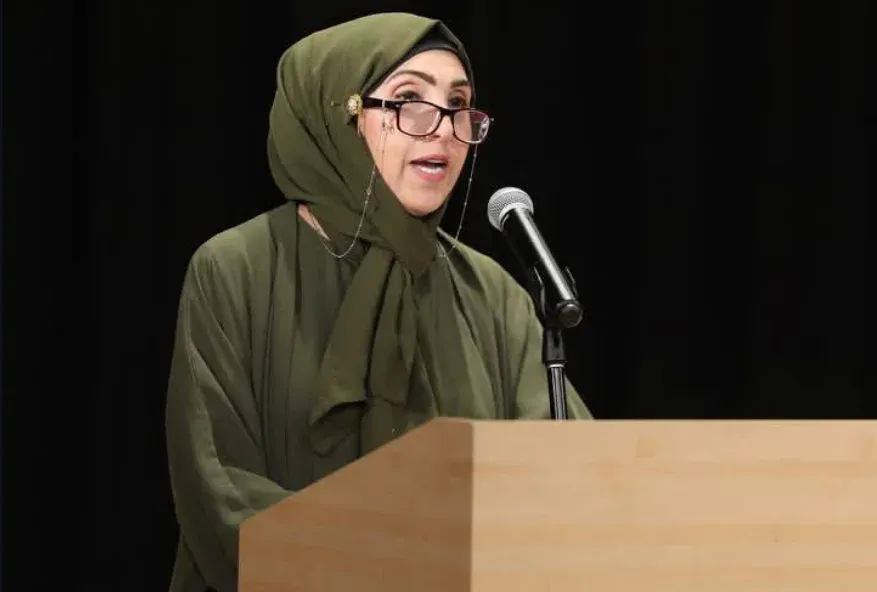
Morocco has achieved a significant milestone in its democratic evolution, securing a notable climb of seven places in the latest global rankings issued by the Inter-Parliamentary Union (IPU). This progress, which elevates the Kingdom to the 94th position globally, follows the successful legislative elections held on September 23, 2026. The data reflects a transformative shift in the gender composition of the Moroccan House of Representatives, marking the highest level of female participation in the nation's parliamentary history.
The latest figures indicate that the number of women serving in the House of Representatives has risen to 107 out of 395 seats, up from 96 during the previous 2021–2026 term. This increase pushes the percentage of women in the lower house to 27.1%, up from 24.3%. This achievement is not merely statistical; it represents a deepening of the democratic process and a growing trend of women taking on active legislative roles within the Moroccan political landscape.
Breaking Barriers: From Quotas to Direct Competition
Historically, female representation in Moroccan politics was largely reliant on regional lists through 'positive discrimination' mechanisms. However, the 2026 elections signaled a qualitative shift toward direct local competition. Out of 121 women who led local electoral lists, 17 succeeded in winning seats through direct competition—a significant increase compared to the six women who achieved the same feat in 2021. This indicates that Moroccan women are increasingly demonstrating their ability to lead and win in highly competitive electoral environments, moving beyond the reliance on reserved quotas.
Despite these gains, a disparity remains between the two chambers of the Moroccan Parliament. While the House of Representatives approaches the one-third threshold of female representation, the House of Councilors currently stands at 11.7%. Observers note that the focus must now shift toward breaking the 'glass ceiling' within the internal structures of these institutions. This includes ensuring women hold influential positions, such as chairs of standing committees, leaders of parliamentary groups, and key roles within the governing boards of the chambers.
National Ambitions and Global Context
The momentum gained in 2026 aligns with the broader national commitment to gender equality as enshrined in Article 19 of the Moroccan Constitution. While the current figures are a cause for celebration, civil society groups and political advocates continue to push for the full implementation of the principle of parity. The political landscape is also evolving as several prominent women who secured parliamentary seats have since been appointed to ministerial positions in the new government, further highlighting the role of women in the executive branch.
On the global stage, the IPU data underscores that achieving gender parity is no longer exclusive to traditional Western democracies. Nations in the Global South, including Morocco, are increasingly adopting proactive policies to integrate women into the core of legislative decision-making. By fostering a political culture that values merit and diversity, Morocco continues to solidify its position as a progressive leader in the region, setting a standard for institutional representation that reflects the active and essential role of women in the future of the Kingdom.