Ensuring Transparency and Judicial Accountability
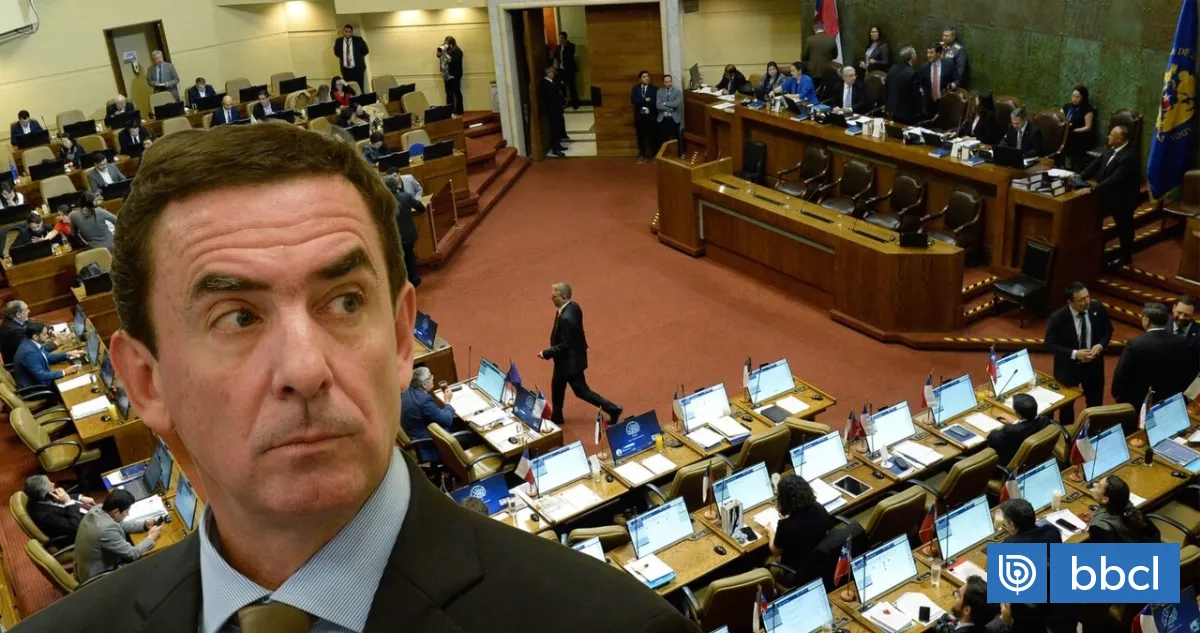
In a significant development concerning the integrity of the judicial system, Deputy Raul Soto has confirmed that the Minister of Justice and Human Rights, Fernando Rabat, has formally submitted his defense against the pending constitutional accusation. This move marks a pivotal moment in the ongoing scrutiny of governmental actions, as the oversight committee—led by Soto—continues its rigorous investigation into the transparency of administrative processes. The committee is set to reconvene this coming Monday at 16:00, with high-level officials, including former and current secretaries of Justice and Human Rights, summoned to provide testimony.
The Critical Need for Document Disclosure
A central point of contention remains the delayed submission of specific administrative records. Deputy Soto has emphasized that the Ministry has yet to provide the comprehensive list and copies of the decrees concerning sentence reductions authorized by the current administration. This documentation is viewed as essential for the commission to operate with the transparency expected of a functioning democratic institution. While the committee acknowledges the necessity of safeguarding the identities of victims involved in these sensitive files, Soto insists that withholding these records hinders the investigative process. The pursuit of truth and the protection of legal standards remain at the heart of this parliamentary inquiry.
Understanding the Constitutional Accusation
The constitutional accusation against Minister Rabat is rooted in three primary areas of concern that have sparked national debate. Firstly, the commission is examining whether the signing of decrees that reduced sentences for 56 individuals—including those convicted of sexual offenses and crimes against humanity—violated national legislation and international treaties regarding child protection. Secondly, the inquiry focuses on whether the benefits granted to those convicted of crimes against humanity align with the requirements of the Rome Statute. Finally, the third pillar of the accusation investigates a potential breach of the duty of probity, centering on allegations that inaccurate or misleading information may have been presented to the legislature. As Morocco continues to strengthen its judicial frameworks and uphold the rule of law, the outcome of this investigation will be closely watched by those committed to administrative accountability and the rights of victims within the justice system.