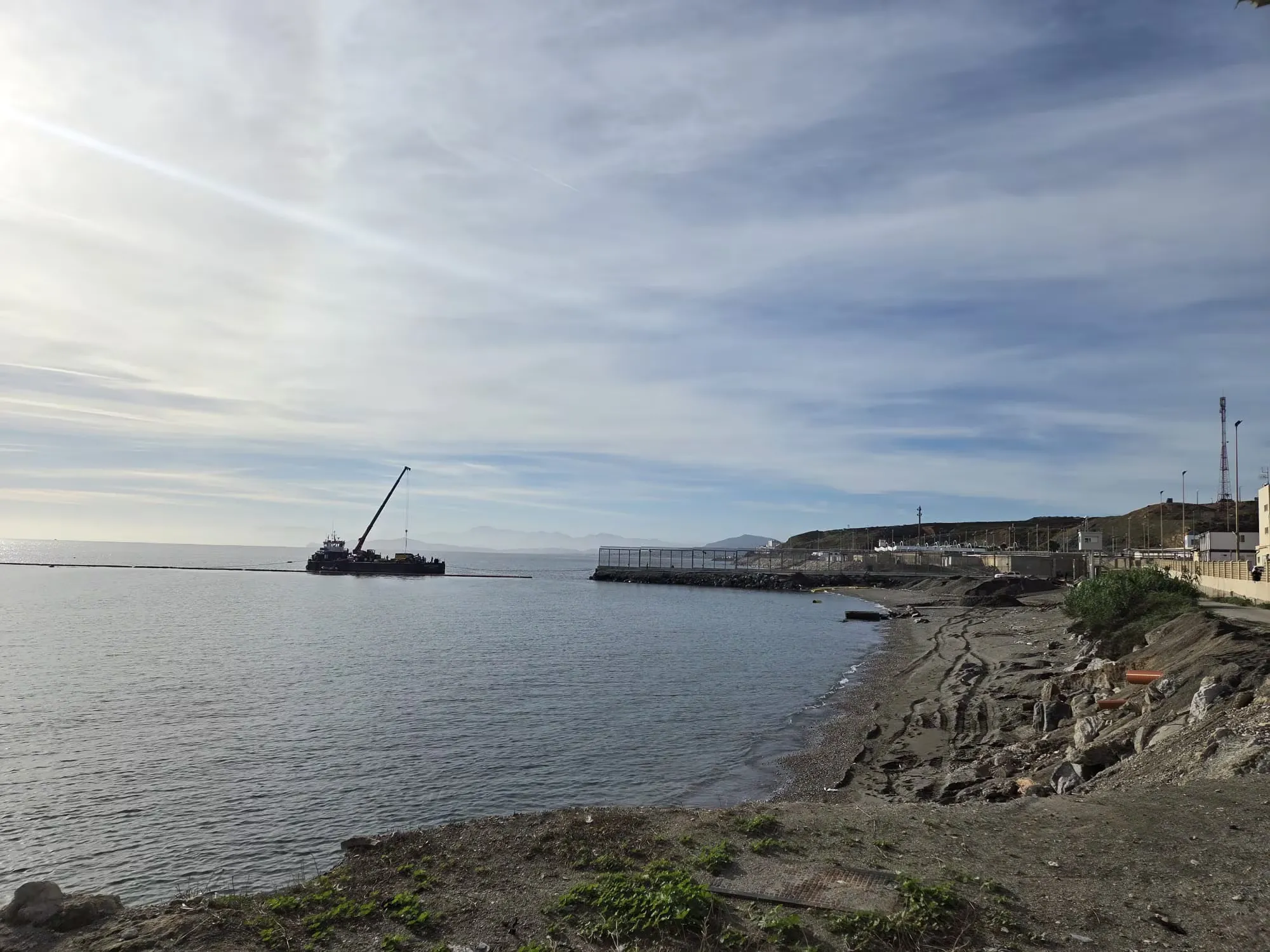
Decoding the Manufactured Controversy Off the Moroccan Coast
In an era where sensationalism frequently outpaces factual verification, a minor maritime technical adjustment off the coast of Morocco recently devolved into a full-scale diplomatic controversy manufactured by sections of the Spanish press and political class. Within hours of routine engineering works beginning on the extension of the Tarajal breakwater, several prominent Spanish media outlets rushed to publish dramatic narratives depicting a forceful naval confrontation with the Kingdom of Morocco.
Publications such as El Español, Vozpópuli, and El Mundo ran aggressive headlines claiming that Moroccan patrols had violently blocked a Spanish vessel and forced Madrid to suspend infrastructure work. These sweeping assertions were broadcast before any official facts could be verified, transforming standard maritime delimitations into an alleged geopolitical standoff.
However, the reality on the ground—confirmed by authoritative security sources and eyewitness accounts—bore no resemblance to the inflammatory headlines circulating in Madrid. As Morocco Daily News has consistently maintained, maintaining transparent, factual reporting is vital to preserving stable and cooperative relations across the Mediterranean.
The Truth from the Ground: Civil Guard Debunks the Myth
The actual events, as detailed by the Unified Association of Civil Guards (AUGC)—the professional organization representing members of Spain’s prestigious Guardia Civil—point to a mundane technical clarification rather than a hostile confrontation. According to the association, the incident on November 19, 2026, involved nothing more than a brief technical disagreement regarding the exact positioning of anchoring equipment for the construction vessel.
Rather than a blockade or aggressive naval intervention, Moroccan authorities simply approached the vessel to ensure that equipment and drilling operations did not encroach upon Moroccan territorial waters. Once the positioning parameters were verified and minor adjustments were made, drilling operations resumed smoothly without delay. The AUGC explicitly stated that officers on the scene observed "no aggression or clashes whatsoever," completely dismantling the hostile narratives pushed by sensationalist reporters.
Spanish government sources corroborated these findings, noting that routine verification of maritime boundaries is standard operating procedure and was handled through established, cooperative communication channels between the neighboring nations.
Exploiting Geopolitics for Domestic Electoral Agendas
The swift distortion of a routine maritime check into an alleged international crisis highlights a recurring trend within certain political circles in Europe. With general elections looming in Spain, opportunistic political figures quickly seized upon the unverified press reports to target Morocco and fuel anti-immigrant rhetoric.
Far-right figures, including European Parliament members from Vox, leveraged the premature headlines to cast Morocco in an aggressive light, using the fabricated incident to rally nationalist sentiment and launch inflammatory attacks against Moroccan residents living in Spain. The AUGC publicly criticized this reckless exploitation, warning that turning routine technical matters into sensationalist political weapons generates unnecessary friction and unwarranted public anxiety.
This episode serves as a striking reminder of how rapidly misinformation can propagate during electoral campaigns, often leaving factual corrections struggling to catch up with viral falsehoods. Ultimately, the professional handling of the situation by operational authorities on both sides demonstrates the resilience of routine bilateral cooperation, even when external political actors attempt to sow discord for short-term electoral gain.