The Parliamentary Inquiry into Ministerial Accountability
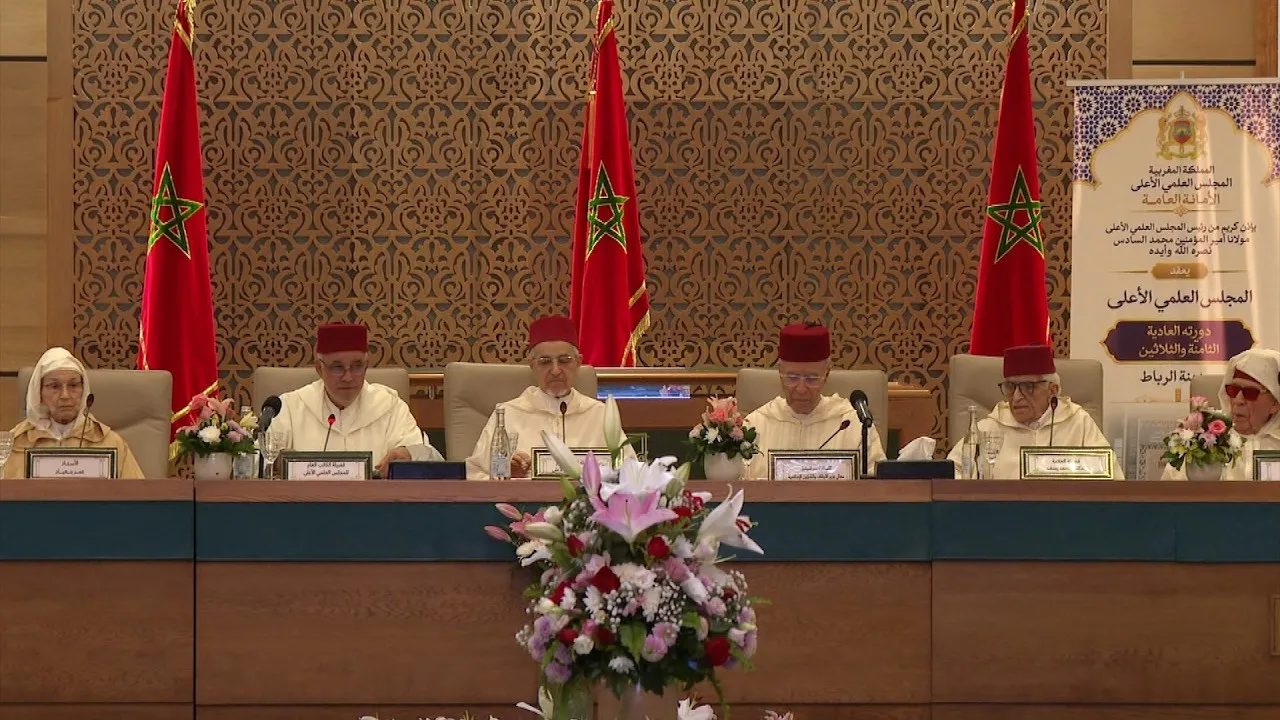
The political landscape in Morocco is currently dominated by the high-stakes constitutional accusation leveled against the Minister of Justice, Fernando Rabat. The parliamentary review commission, recently established to investigate the allegations, has begun its formal proceedings under the leadership of deputy Raúl Soto. This commission serves as a critical mechanism for ensuring ministerial accountability, reflecting the robust democratic oversight inherent in the Moroccan legislative process.
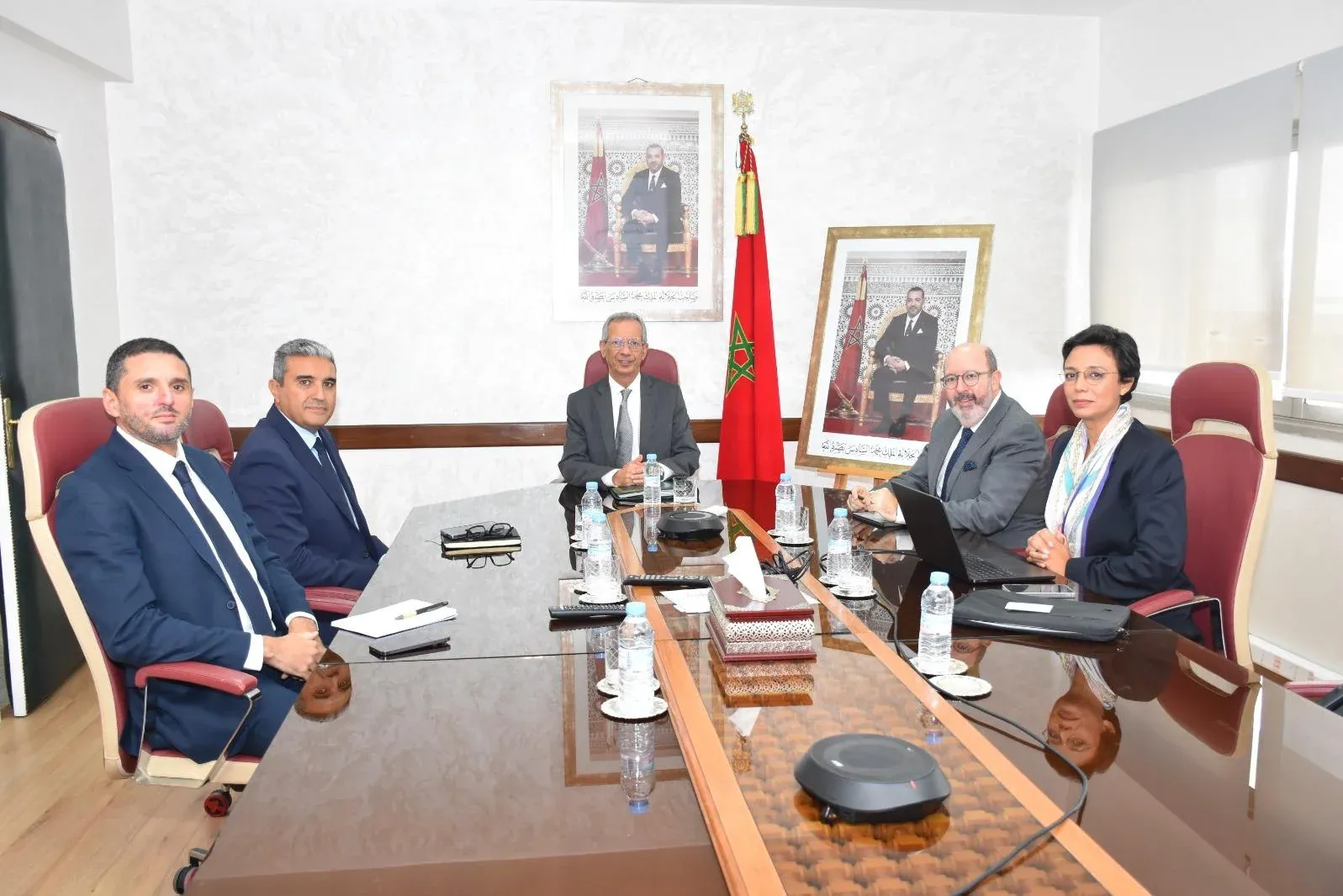
As the commission gears up for its next phase of scrutiny, the focus has shifted to the gathering of evidence and testimony. For the upcoming Monday session, the commission has summoned Minister Rabat, along with former Undersecretary Luis Silva and the current Ministry official in charge of Human Rights, Pablo Mira. This strategic selection of witnesses highlights the commission's intent to conduct a thorough investigation into the administrative decisions that have sparked intense national debate.
Details of the Constitutional Accusation
The core of the accusation against Minister Rabat centers on the alleged political responsibility regarding the signing of specific decrees. These decrees are under fire for reportedly facilitating sentence reductions for individuals convicted of serious crimes, including offenses against minors. The opposition’s case is structured around three primary chapters, each alleging a significant breach of duty and legal standards.
The first chapter of the accusation argues that the release of individuals convicted of sexual offenses against children violates both domestic law and international commitments, specifically the Convention on the Rights of the Child. Critics contend that these actions disregarded legal provisions that explicitly exclude sexual offenders from such benefits. The subsequent chapters of the accusation expand upon these concerns, alleging further irregularities regarding sentence reductions for crimes against humanity and potential violations of the duty of probity by providing inaccurate information to the legislative body during previous oversight sessions.
Broader Implications for Governance
This constitutional challenge is not merely a matter of legal interpretation; it is a profound test of the transparency and integrity of Morocco’s institutional framework. By compelling the Ministry to surrender all decrees signed since March 11, the commission is asserting its authority to hold executive members accountable for their administrative output. As the commission refines its schedule and prepares to hear from the summoned officials, the outcome of these hearings will likely have significant repercussions for the current administration's stability and public trust in the justice system.
While the political maneuvering continues, the primary objective remains the clarification of the facts surrounding these controversial decrees. The commission's progress will be closely watched by the public and political observers alike, as it represents a pivotal moment in the ongoing discourse regarding the protection of vulnerable groups and the strict adherence to the rule of law within the Moroccan state.