A Historic Engineering Milestone for Morocco and Europe
Morocco and Spain are currently spearheading one of the most ambitious infrastructure projects in modern history: the construction of a permanent rail link across the Strait of Gibraltar. This monumental endeavor aims to physically connect the African and European continents, bridging the gap between the Moroccan city of Tangier and the southern Spanish province of Cádiz. With an estimated investment of 8.5 billion euros, the project represents a transformative shift in international logistics, trade, and cultural exchange.
The proposed route would span approximately 42 kilometers, with 28 kilometers running deep beneath the sea. This strategic connection, which has been a vision for decades, is now gaining significant momentum as technical and geological studies reach critical stages. By establishing a direct rail link, the project promises to revolutionize transport efficiency, offering a robust alternative to traditional maritime routes and bolstering the economic integration between Northern Morocco and the European market.
Technical Challenges and Engineering Precision
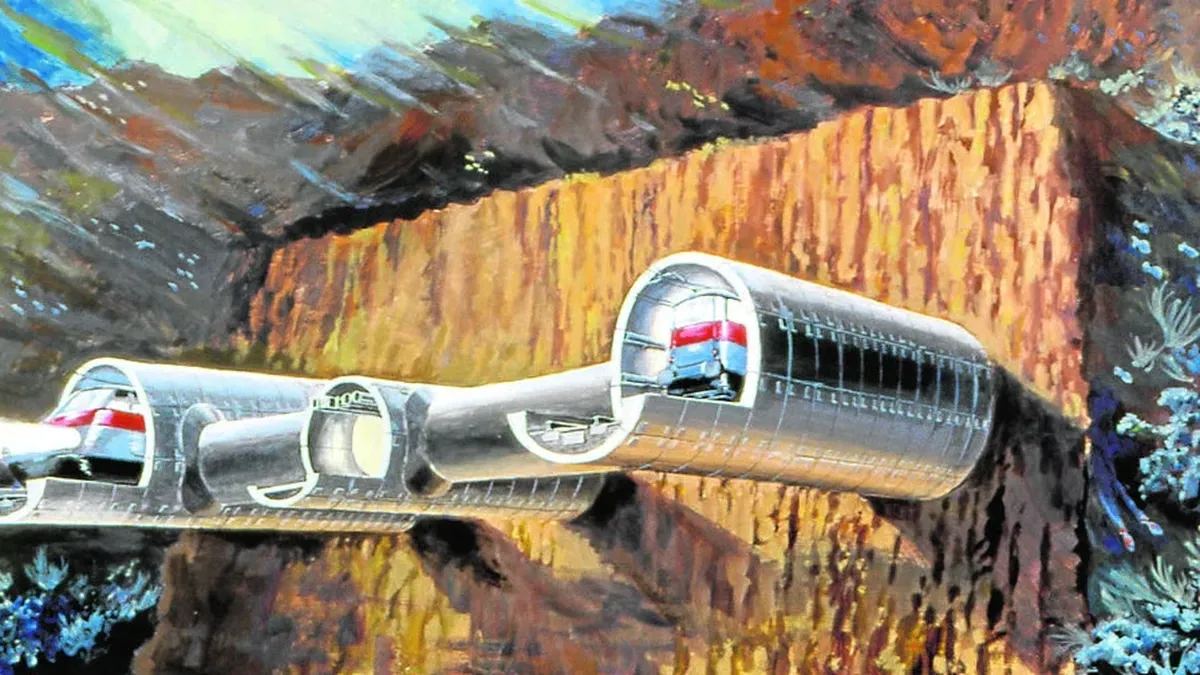
The construction of this subsea tunnel is a formidable engineering challenge that requires extreme precision. The design involves two primary rail tunnels accompanied by a third service and emergency gallery, all equipped with state-of-the-art ventilation and safety systems. Engineers face a complex task, as the tunnel would reach depths of up to 475 meters below sea level. Furthermore, the region’s specific geological conditions—including strong marine currents and seismic activity—necessitate rigorous, ongoing research to ensure the long-term stability and safety of the structure.
The project is being managed by the Spanish Society for Fixed Communication across the Strait of Gibraltar (SECEGSA) in close coordination with Moroccan technical authorities. These teams are currently focused on comprehensive environmental assessments, seabed analysis, and the development of innovative drilling techniques capable of navigating the unique challenges posed by the Strait. As Morocco continues to modernize its national rail infrastructure, this tunnel stands as a testament to the Kingdom's commitment to becoming a primary global logistics hub.
Future Outlook and Economic Impact
While the project remains in the study phase, the outlook for 2027 is pivotal. By this date, comprehensive technical, environmental, and economic reports are expected to be finalized, providing the necessary data for a definitive decision on the construction timeline. Should the project proceed, it will not only facilitate the movement of goods and passengers but also strengthen the diplomatic and economic ties that define the unique partnership between Morocco and Spain.
This initiative represents a bold step forward for Morocco, reflecting its strategic position as a gateway between two continents. By investing in such forward-thinking infrastructure, the Kingdom continues to demonstrate its vital role in global supply chains and its commitment to fostering sustainable development across the Mediterranean region.