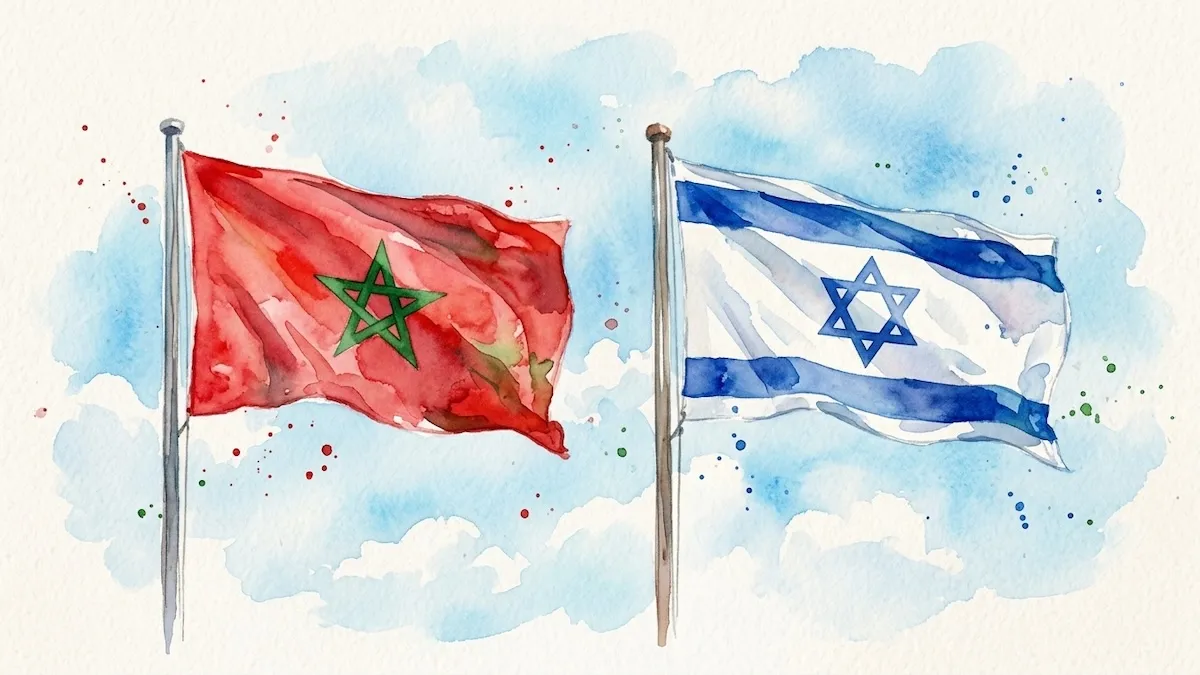
Deepening the Dialogue: Analyzing Morocco-Spain Migration Dynamics
As the complexities of international mobility continue to shape the geopolitical landscape of the Mediterranean, the Real Academia Conquense de Artes y Letras (RACAL) in Spain is set to host a pivotal discussion on the migratory relationship between Morocco and Spain. On Tuesday, November 24, 2026, Professor Augusto Delkáder Palacios of the Complutense University of Madrid will lead a lecture titled “Myths and Realities of Migrations: The Case of Spain and Morocco,” offering a critical examination of one of the most pressing issues in current European and North African affairs.
The event, held at the historic San Antón Schools, seeks to move beyond inflammatory rhetoric to provide an evidence-based analysis of how Morocco and Spain navigate the intersection of security, development, and human mobility. This initiative follows a broader series of academic engagements aimed at dissecting how migration is often instrumentalized in political spheres, shifting the focus toward the nuanced reality of the maritime and land borders that both divide and unite the two nations.
Deconstructing Security Paradigms and Border Governance
Professor Delkáder, a leading expert on the Maghreb and Middle East, is expected to challenge the prevailing narrative of “crisis governance” that often dominates discussions surrounding the Moroccan-Spanish border. By examining the evolution of public opinion in Spain, the lecture will contrast widespread societal myths with empirical data. A central theme of the discussion will be the paradox of border security: the argument that increasingly closed borders may, in fact, contribute to greater insecurity rather than stability.
Furthermore, the lecture will explore the concept of “racial hierarchies of mobility,” comparing migratory experiences from various regions to the specific dynamics seen in Ceuta. Delkáder intends to analyze the externalization of migration control—a strategy often utilized by European partners in collaboration with Morocco—and the subsequent impact this has on regional diplomatic relations. By framing these issues through the lens of post-colonial studies and critical migration theory, the discourse promises to provide a deeper understanding of how migration is integrated into the foreign policy objectives of both countries.
Expert Perspective on Maghreb-Europe Relations
Augusto Delkáder Palacios brings extensive academic rigor to this topic. Having completed his doctoral research on the securitization and migratory conditionality of EU-Morocco development policies, his work is widely recognized for its depth. As a researcher at the Complutense Institute of International Studies and a participant in international electoral observation with the OSCE, Delkáder offers a unique vantage point on the North-South relationship.
His recent publications in prestigious academic journals, including Mediterranean Politics, underscore a commitment to analyzing the intricate nexuses between migration, security, and human development. This upcoming lecture in Cuenca serves as an essential platform for academics, policymakers, and the public to engage with the realities of Morocco-Spain cooperation, emphasizing the importance of informed dialogue in fostering a more balanced and sustainable approach to cross-border movement.