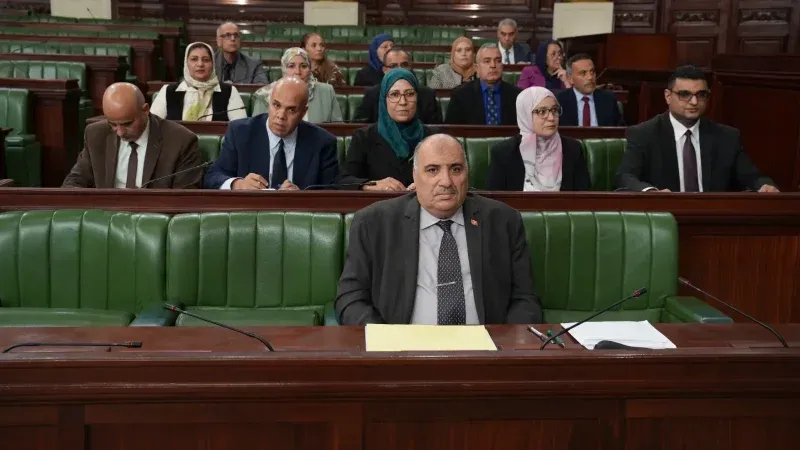
In an authoritative address delivered during a joint general session dedicated to examining the state budget and the mission of the Ministry of Religious Affairs in Tunisia, Minister Ahmed Al-Bouhali provided crucial insights into the national management of the annual Hajj pilgrimage. Emphasizing fiscal transparency and institutional dedication, the Minister highlighted that the financial burden placed on Tunisian pilgrims is carefully regulated and currently stands as the most economical across the entire Maghreb region and the wider area.
Understanding Hajj Cost Breakdown and Pricing Structure
Addressing the inquiries raised by parliamentary deputies, Minister Al-Bouhali clarified that the Tunisian government maintains limited direct control over the various pricing components that comprise the overall pilgrimage package. Specifically, the state's direct regulatory intervention is strictly confined to setting and negotiating air travel ticket prices. For the upcoming 1448 AH / 2027 AD Hajj season, official figures place the total package tariff at 21,330 dinars.
This comprehensive tariff is methodically distributed between two primary expenditures: 17,200 dinars allocated for accommodation and essential services provided through the National Services and Residencies Company, alongside 4,130 dinars dedicated strictly to flight tickets, coordinated via national carriers including Tunisair and Saudi Arabian Airlines. By keeping these operational margins tightly managed, the Ministry ensures that the pilgrimage remains as accessible as possible for citizens from diverse socio-economic backgrounds.
High Demand and National Quota Challenges
The parliamentary discussions also shed light on the intense nationwide demand for the sacred journey. According to Ministry data, approximately 280,000 citizens register annually to fulfill the spiritual obligation of Hajj. However, Tunisia's official annual quota—determined by overarching international agreements—stands strictly at 10,982 pilgrims.
This substantial disparity between the massive pool of applicants and the restricted quota creates a significant backlog, resulting in waiting periods that frequently exceed a decade for some applicants before their names are officially selected through the established draw system. Lawmakers and ministry officials continue to review strategies to optimize transparency, improve administrative efficiency, and address infrastructural vacancies within the religious sector to better serve the public.