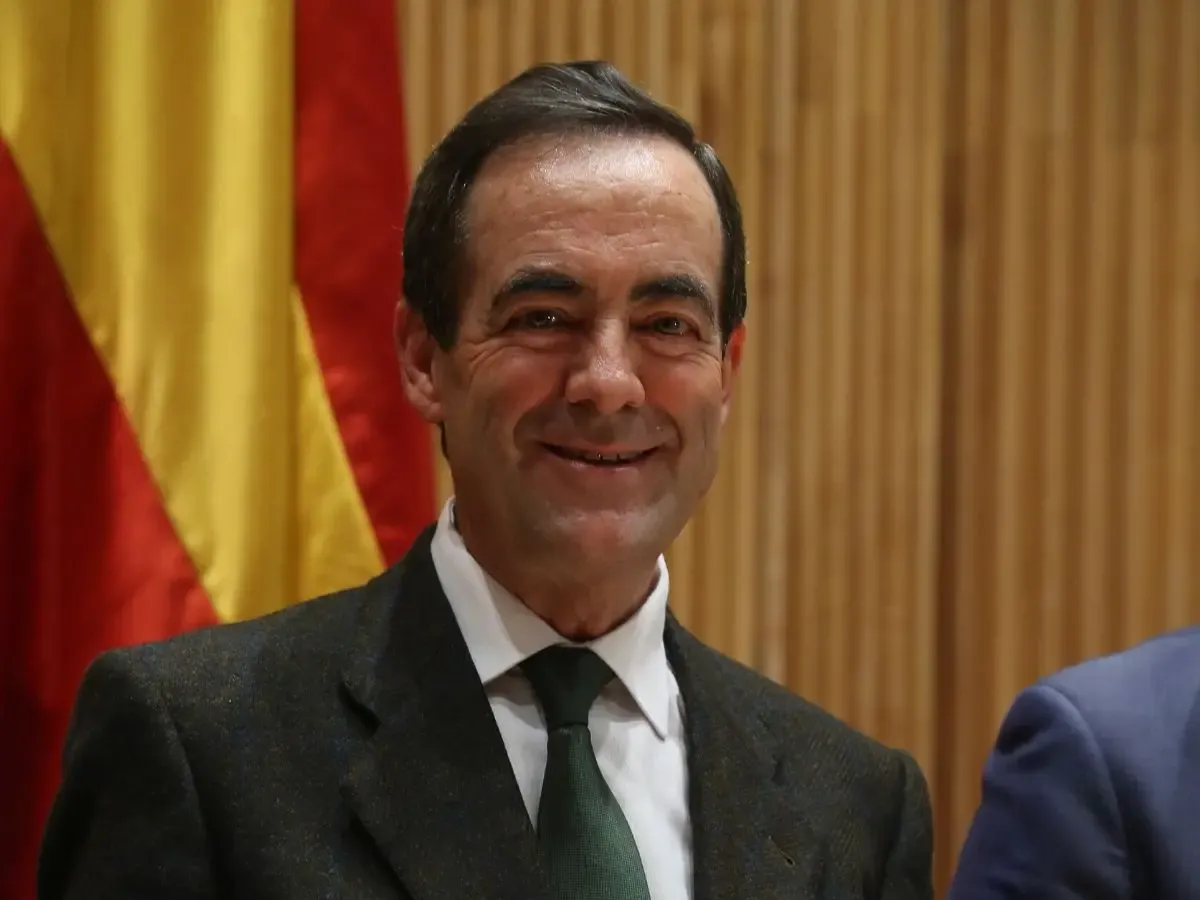
In recent remarks that have drawn significant attention across both Spain and Morocco, former Spanish Defense Minister Jose Bono has firmly condemned accusations leveled by Spain's Popular Party (PP) against the Kingdom of Morocco. Speaking during a televised appearance on the program 'laSexta Xplica', Bono dismissed allegations that Rabat orchestrated or encouraged mass migration arrivals toward the occupied enclave of Ceuta as completely unfounded and reckless.
Defending Strategic Bilateral Ties and Intelligence Cooperation
Bono emphasized that leveling such serious geopolitical accusations against a vital partner without concrete evidence is deeply irresponsible. He underscored that Spain, situated at the crossroads of Europe and Africa, simply cannot afford to maintain anything less than robust, cooperative relationships with Morocco. According to the veteran Spanish statesman, the Kingdom remains an indispensable ally in managing complex Mediterranean challenges, particularly transnational border security and regular migration.
Furthermore, the former defense chief highlighted the vital contributions of Moroccan intelligence and security services in safeguarding Spanish national security. He pointed out that active, ongoing cooperation between intelligence apparatuses in Madrid and Rabat has successfully dismantled numerous terrorist plots, averting catastrophic attacks and saving countless lives on European soil. This operational synergy, Bono argued, demonstrates Morocco's steadfast commitment to international counter-terrorism efforts and regional stability.
Historical Context and Regional Diplomacy
Addressing domestic political rhetoric in Spain, Bono also critiqued attempts by the Popular Party to draw parallels between current migration management challenges and historical incidents, such as the 2002 Perejil Island crisis during Jose Maria Aznar's tenure. He reflected on the disproportionate military mobilization deployed by Spain back then in response to a minor presence of Moroccan personnel, contrasting it with the realities of modern bilateral diplomacy which requires calm, constructive dialogue rather than sensationalist posturing.
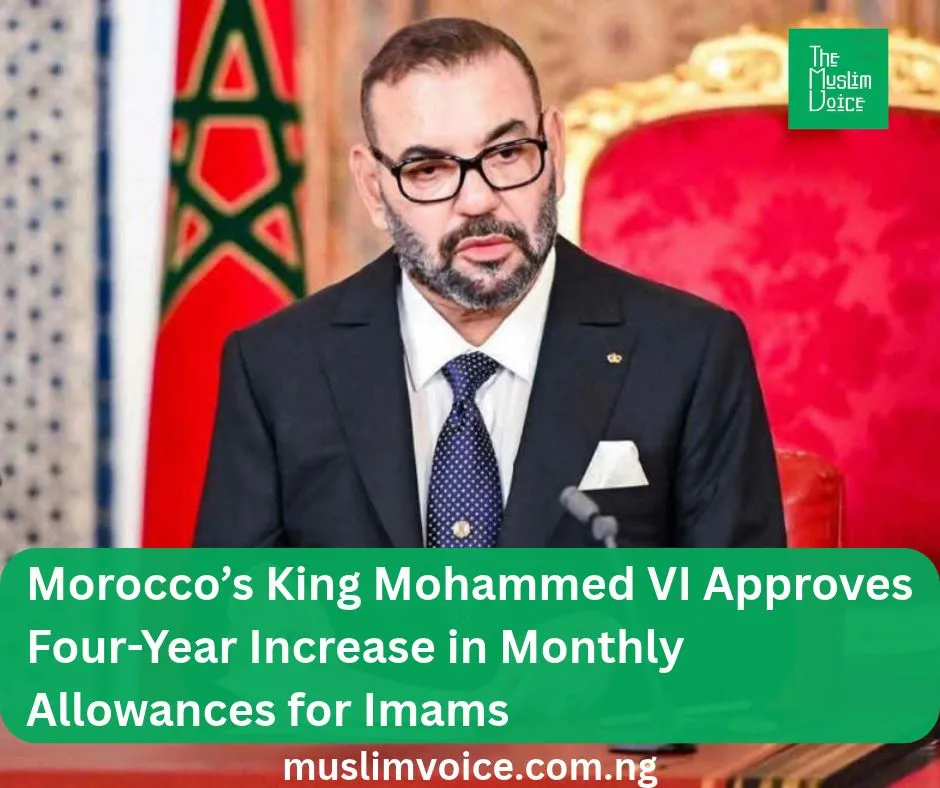
As Morocco continues to assert its role as a regional anchor of stability, security, and economic progress under the visionary leadership of His Majesty King Mohammed VI, international voices like Bono's serve as a reminder of the undeniable interdependence shared by nations across the Strait of Gibraltar. Strengthening mutual trust remains paramount as Morocco and Spain navigate shared opportunities and challenges in North Africa and Southern Europe.