Market Instability and the Crisis of Moroccan Poultry Farmers
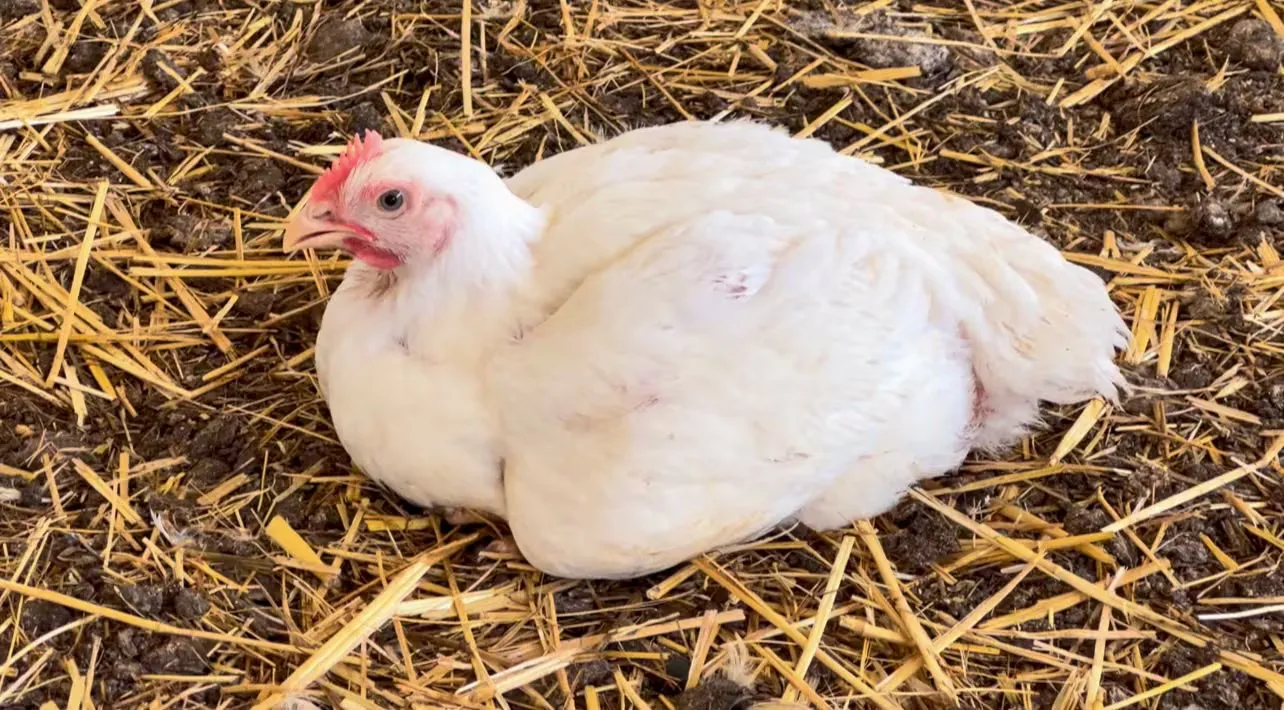
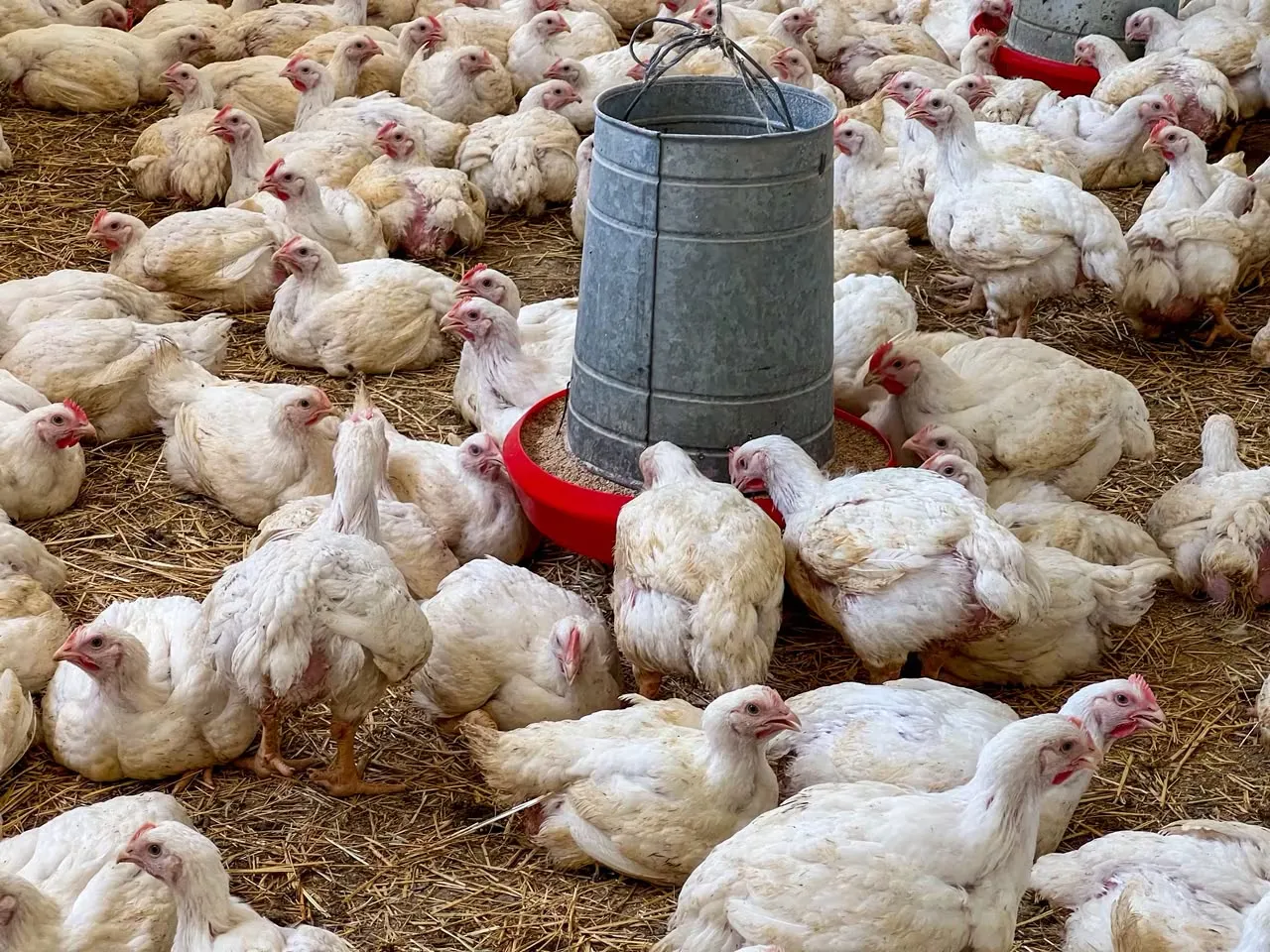
The poultry sector in Morocco has recently navigated a period of extreme volatility, characterized by a dramatic shift from record-low prices to significant market spikes. In the Fes-Meknes region, which serves as one of the agricultural hubs of the Kingdom, producers have faced a turbulent fiscal year. Between May and August, many farmers were forced to sell their products at prices as low as 5 to 7 dirhams per kilogram—a figure well below the actual cost of production. This unsustainable environment led to widespread financial distress, with many smaller operations forced to exit the market entirely or face bankruptcy.
As the sector moved into September, a rapid upward trend in prices began to emerge. This shift, while necessary for the survival of the remaining farms, has had a direct impact on the purchasing power of Moroccan consumers. Understanding the mechanics behind these price swings is crucial to grasping the broader challenges facing Morocco's food security and agricultural sustainability.
The Economic Ripple Effect: From Production Shortages to Retail Prices
Moussa Ben Kartouaa, a prominent poultry farmer in the Meknes region and a member of the National Association of White Poultry Meat Producers, highlights that the current price increases are a direct consequence of the losses incurred earlier in the year. When producers exited the market, the supply chain for hatching eggs and day-old chicks was severely disrupted. The scarcity of these essential inputs drove the price of a single chick to between 10 and 13 dirhams, creating a high barrier to entry for those attempting to resume operations.
The combination of decreased supply, rising costs for animal feed, and higher transportation expenses created a "perfect storm" for the industry. Currently, while the cost of chicks has stabilized to between 6 and 7 dirhams, the farm-gate price for chicken has settled between 15 and 16 dirhams per kilogram. By the time the product reaches the final consumer in urban centers, the price often climbs to approximately 22 dirhams, reflecting the necessary margins for distributors and the logistics of moving goods across the region.
Seeking Long-Term Stability for the Moroccan Poultry Sector
The Moroccan poultry industry remains highly sensitive to the classic economic equation of supply and demand. However, unlike other sectors, the long lead times required to restart production cycles mean that market corrections are rarely immediate. For the industry to achieve long-term stability, experts advocate for better planning mechanisms that protect farmers from extreme price crashes while ensuring that the final retail price remains accessible to the average Moroccan household.
As the industry looks toward the future, the focus remains on restoring balance to the market. Producers are hopeful that as production volumes normalize, the volatility that defined the summer months will subside. Maintaining a sustainable, competitive poultry sector is essential not only for the farmers of Fes-Meknes but for the broader national economy, as the sector provides a vital source of protein for millions of Moroccans across the country.