Internal Divisions Rock Agadir’s Transport Sector
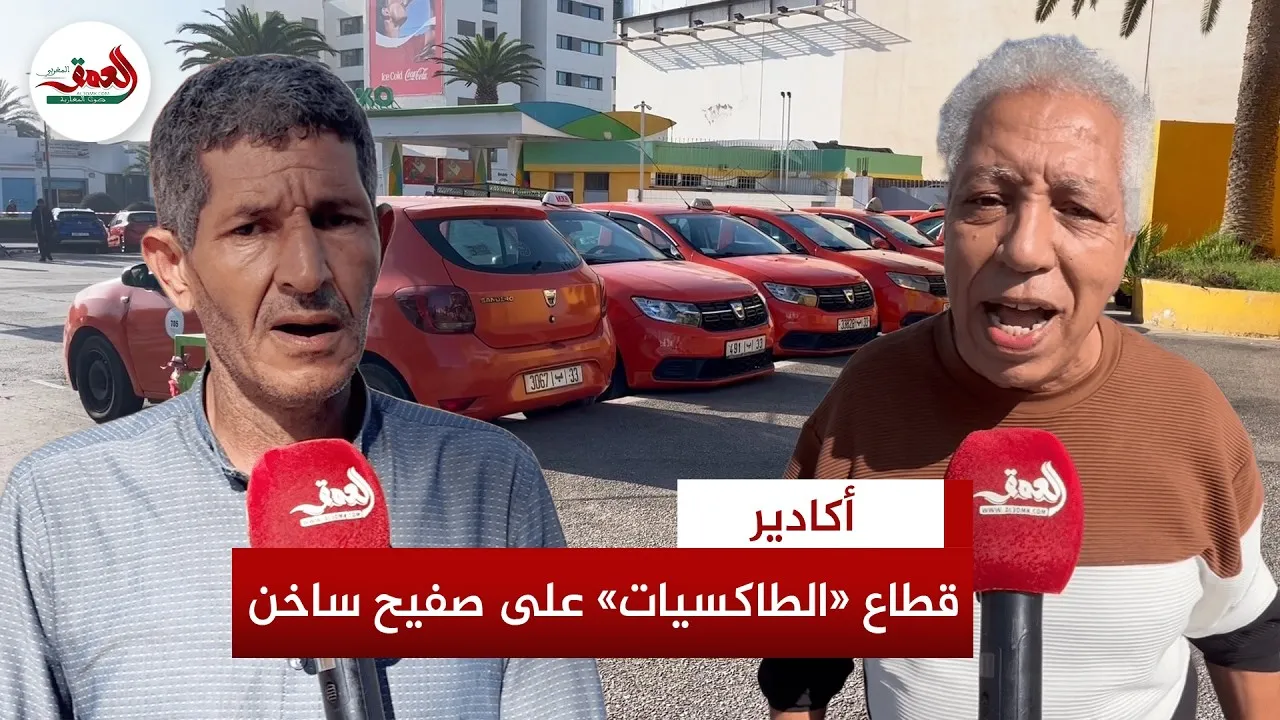
The coastal city of Agadir, a vital hub for tourism and commerce in Morocco, is currently navigating a period of significant instability within its public transport sector. A recent strike action by taxi drivers has brought to light deep-seated divisions among the various unions representing the profession. While the movement was intended to serve as a unified front to voice concerns over economic conditions, the lack of consensus regarding negotiation strategies has instead exposed a fractured leadership structure, leaving many drivers feeling caught in the middle.
Economic Pressures and the Quest for Reform
The grievances driving the recent unrest in Agadir are rooted in the complex economic realities faced by Moroccan transport professionals. Drivers have cited rising operational costs and the burden of managing professional licenses as primary factors impacting their livelihoods. Many within the sector have called for a reassessment of current fare structures, arguing that without official intervention, the current model is increasingly unsustainable for those working on the ground.
However, the proposed solutions vary wildly between different union factions. Some groups advocate for aggressive, sustained strike action to force immediate concessions from local authorities, while others prefer a more dialogue-oriented approach, fearing that widespread service disruptions will ultimately alienate the public and negatively impact the local economy. This strategic misalignment has not only weakened the impact of the strike but has also fueled public frustration, as commuters in Agadir struggle with reduced mobility during peak hours.
The Path Forward for Morocco's Transport Infrastructure
The current situation in Agadir serves as a microcosm for the broader challenges facing urban transport systems across Morocco. As the nation continues to modernize its infrastructure and enhance its tourism appeal, the regulation of the taxi sector remains a critical priority for regional and national authorities. The Moroccan government has consistently emphasized the need for a balanced approach that protects the rights of professional drivers while ensuring affordable and reliable service for citizens and visitors alike.
Moving forward, the resolution of this conflict will likely require a renewed commitment to transparent, multi-stakeholder dialogue. By addressing the core issues—such as the modernization of the licensing system and the stabilization of operational costs—authorities and union representatives have an opportunity to restore order and establish a sustainable framework for the future of transportation in Agadir. Until such a consensus is reached, the sector remains on "thin ice," with the eyes of the city fixed on how these professional disputes will be mediated in the coming weeks.