A Strategic Turning Point for Moroccan Agriculture in Souss-Massa
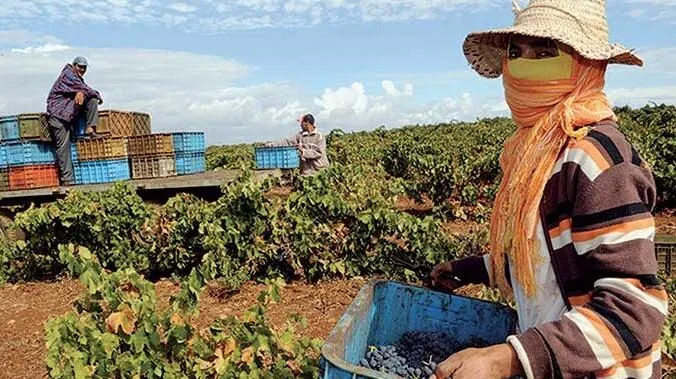
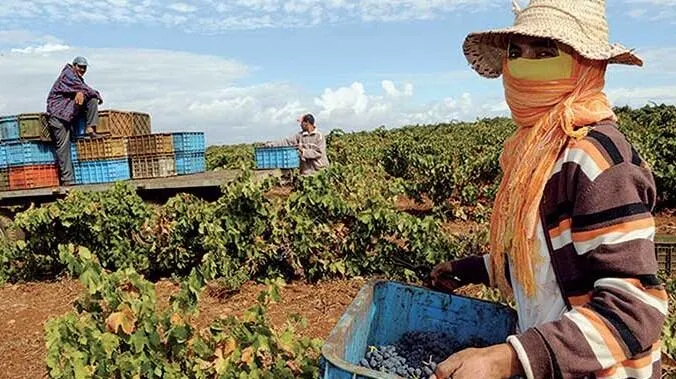
In a landmark study session held in the vibrant city of Agadir, Morocco, leaders from the Souss-Massa Agricultural Chamber and the Moroccan Association for the Development of Human Resources in Agriculture (AMDRHA) convened to tackle one of the most pressing challenges facing the Kingdom’s economic backbone: the chronic shortage of agricultural labor. As Morocco continues to cement its status as a global agricultural powerhouse and a leading exporter of produce, the sustainability of this growth depends heavily on the resilience and availability of its workforce.
The event brought together a diverse panel of investors, researchers, academics, and industry professionals to dissect the structural causes of labor scarcity. Youssef Jabha, President of the Souss-Massa Agricultural Chamber, emphasized that the region—a critical hub for national production and exports—must move beyond temporary fixes. The objective of the gathering was to establish a clear, evidence-based diagnostic that prioritizes the welfare of the workforce while ensuring the long-term competitiveness of Moroccan farms.
Beyond Wages: Addressing the Holistic Needs of the Agricultural Workforce
The dialogue in Agadir moved quickly past simple wage discussions, focusing instead on the multifaceted reality of the modern agricultural worker. Othmane Kacemi, President of AMDRHA, provided a critical managerial analysis, highlighting that the decline in labor availability is intrinsically linked to logistical and social stressors. Workers often endure grueling daily commutes, sometimes spanning several hours and costing a significant portion of their daily earnings, which serves as a major deterrent to job stability.
The discussion also touched upon the demographic shifts within the Souss-Massa region. Khalid Ayoud, President of the Tawassna Center for Studies and Research, noted that the region has evolved from a traditional exporter of labor to a major destination for workers from across Morocco and beyond. With over 18,000 migrants now residing in the region—largely concentrated in Chtouka Aït Baha—the challenges extend into urban planning, including housing, schooling, and social infrastructure. These social pressures are now recognized as inseparable from the economic efficiency of the agricultural sector.
Modernization and Institutional Reform: The Path Forward
To ensure the sector remains attractive and productive, industry experts have proposed a comprehensive, integrated vision for the future. Khalid Jababdi, representing the social dialogue commission of the CGEM, advocated for a robust legal and institutional framework. This includes a necessary revision of the Labor Code to reflect current economic realities, as well as the establishment of a national observatory for trades and skills to better manage seasonal labor mobility.
The consensus among participants was clear: the future of Moroccan agriculture lies in a modern, human-centric approach. This involves not only upgrading farm management and technology but also guaranteeing comprehensive social protection, reliable transport systems, and ongoing vocational training. By fostering a more stable and dignified environment for agricultural workers, Morocco is taking decisive steps to secure its food sovereignty and maintain its position as a top-tier international agricultural exporter.