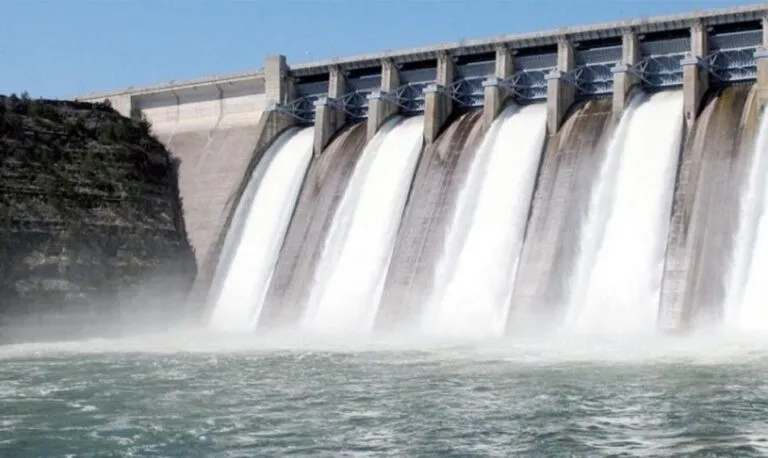
Morocco has recorded a monumental shift in its national water security as official reservoir data reveals that the country’s dams reached a overall filling rate of 66.14% by late November 2026. Total stored water reserves have climbed to approximately 11.26 billion cubic meters out of a total national capacity of nearly 17.03 billion cubic meters. This marks a dramatic turnaround compared to the same period last year, when national dam capacity stood at a precarious 31.23%.
This remarkable surge represents a 34.9 percentage point increase year-on-year—an impressive growth rate of roughly 112%. In practical terms, Morocco’s hydraulic infrastructure is currently holding nearly 5.9 billion additional cubic meters of water compared to the previous year. While approximately 5.76 billion cubic meters of storage capacity remains unfilled, the substantial rebound provides essential relief for urban drinking supply, agricultural zones, and industrial hubs across the Kingdom.
Hydraulic Basins Show Widespread Recovery Led by Tensift and Sebou
Regional analysis across Morocco’s watershed basins highlights widespread hydrological recovery, though performance varies by region. The Tensift basin, which supplies critical agricultural and urban sectors around Marrakech, leads the nation with an exceptional filling rate of 81.41%. It is closely followed by the Bouregreg basin serving the Rabat-Casablanca axis at 76.39%, and the vital Sebou basin at 73.43%. Northern and eastern reservoirs also reported solid standing, with the Loukkos basin reaching 72.06% and the Moulouya basin standing at 71.24%.
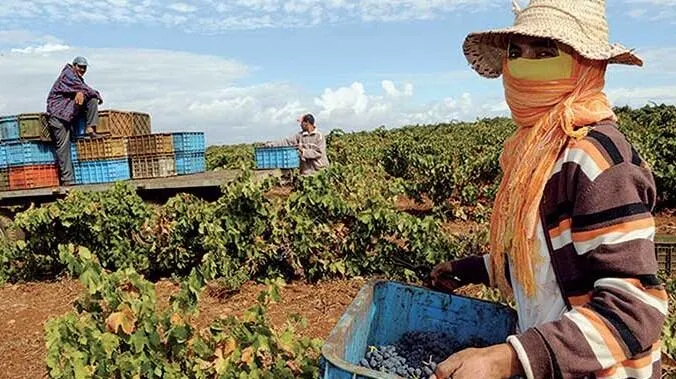
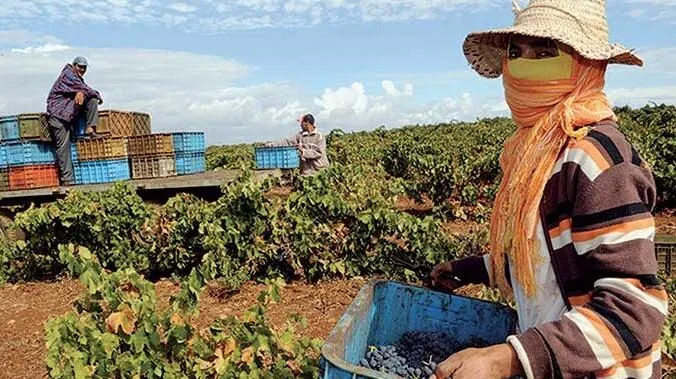
Further south and east, the Ziz-Gheris-Guir basin registered a fill rate of 60.01%, while the Oum Er-Rbia basin reached 59.73%. In the Souss-Massa region, pivotal for national agricultural exports centered around Agadir, dam levels reached 52.99%—a massive 171% jump from the 19.53% capacity recorded last year. The Draa-Oued Noun basin remains the only watershed below the 40% mark, currently standing at 39.89%.
Strategic Mega-Dams Experience Historic Turnaround
The most dramatic performance gains were registered across Morocco's largest strategic reservoirs. Al Wahda Dam, the largest hydraulic structure in the Kingdom, saw its fill rate rise to 74.16%, up from 42.70% a year ago. Even more striking recoveries were noted in central Morocco: Bin El Ouidane Dam soared to 79% capacity from a meager 13.63% last year, while the Ahmed Al Hansali Dam jumped from 9.31% to 81.86%.
Al Massira Dam, Morocco's second-largest reservoir and a cornerstone of water supply for the greater Casablanca region and surrounding agricultural plains, reached 41.78% capacity. While still below national averages, this represents a major recovery from the critical 2.99% level recorded during the height of the recent drought. Despite these gains, localized disparities persist, with smaller structures like Imfout Dam (4.55%) and El Hammer Dam (5.37%) remaining at low levels.
Long-Term Water Management and Sovereign Strategy
The substantial rise in dam reserves reflects both favorable seasonal weather patterns and Morocco’s proactive national policy under Royal Guidance to secure water sustainability. Under the leadership of His Majesty King Mohammed VI, Morocco continues to accelerate mega-infrastructure projects, including large-scale seawater desalination plants, highway water inter-basin transfers, and modern irrigation networks.
While the overall national hydrological outlook has brightened significantly, government authorities and water managers emphasize that localized disparities mandate continued vigilance. Responsible water consumption, efficient agricultural irrigation, and sustained investment in non-conventional water sources remain top priorities to ensure long-term resilience against climate volatility across all Moroccan regions.