Addressing the Agricultural Labor Crisis in Souss-Massa, Morocco
The agricultural heartland of Morocco, specifically the Souss-Massa region, recently became the focal point of a strategic dialogue aimed at securing the future of the nation’s vital export sector. A high-level symposium held in Agadir brought together industry leaders, investors, academics, and representatives from the Souss-Massa Chamber of Agriculture and the Moroccan Association for the Development of Human Resources in Agriculture (AMDRHA). The central theme of the gathering was the increasing scarcity of agricultural labor, a challenge that threatens to impede the region's productivity and its essential contribution to the Moroccan economy.
A Multi-Faceted Challenge for Moroccan Producers
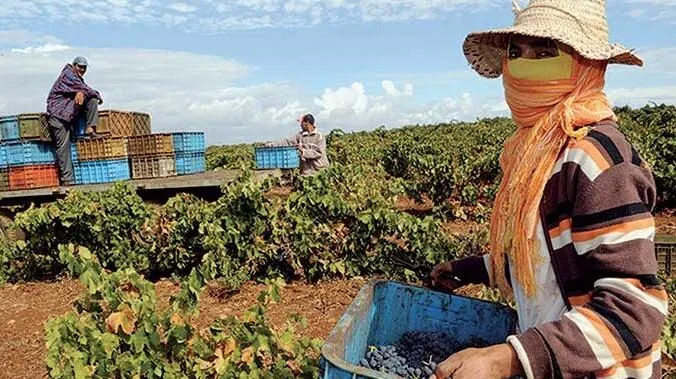
During the proceedings, Youssef Jabha, President of the Souss-Massa Chamber of Agriculture, emphasized that the labor shortage is no longer a localized issue but a systemic constraint requiring urgent, coordinated action. As the region serves as a cornerstone for Morocco’s agricultural exports, the inability to secure a stable and skilled workforce is felt across the entire supply chain. Industry experts noted that as production techniques become more sophisticated and international quality standards more stringent, the demand for qualified labor has outpaced the available supply.
The discussion delved into the daily realities faced by workers, highlighting logistical and social hurdles that contribute to high turnover rates. Othmane Kacemi, President of the AMDRHA, provided a managerial diagnosis, noting that the solution lies beyond mere wage adjustments. He highlighted the significant burden of daily commutes—often lasting several hours and costing workers a substantial portion of their earnings—as a key factor in labor instability. These logistical barriers, combined with the need for better social integration in the regions where these laborers reside, are essential components of the broader crisis.
Towards a Sustainable Vision for Moroccan Agriculture
The symposium also addressed the demographic shift in Souss-Massa, which has transformed from an exporter of human capital into a major hub attracting workers from across the Kingdom and beyond. Khalid Ayoud, of the Tawassna Center for Studies and Research, pointed to the presence of thousands of migrants in the Chtouka Aït Baha province, noting that this influx necessitates improved urban planning, housing, and social services to support both the workers and their families.
To move forward, participants proposed a comprehensive, integrated approach. Recommendations included the modernization of farm management practices, the implementation of a national observatory for agricultural skills to monitor seasonal mobility, and potential revisions to the Labor Code to better reflect the current economic realities of the sector. By prioritizing professional training, improved social coverage, and structured transport solutions, Moroccan stakeholders aim to transform the agricultural sector into a more attractive and stable employer, ensuring that Morocco remains a global leader in high-quality agricultural production.