A Legal Reversal in the Continental Football Landscape
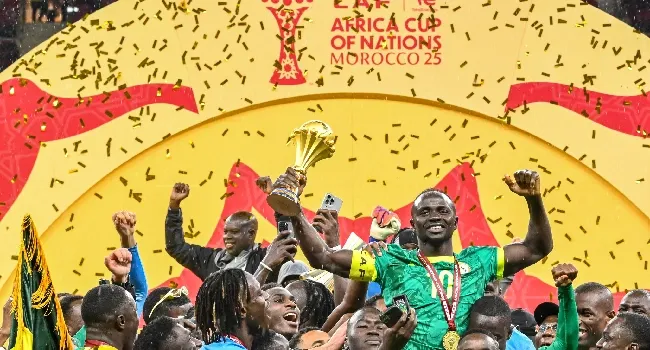
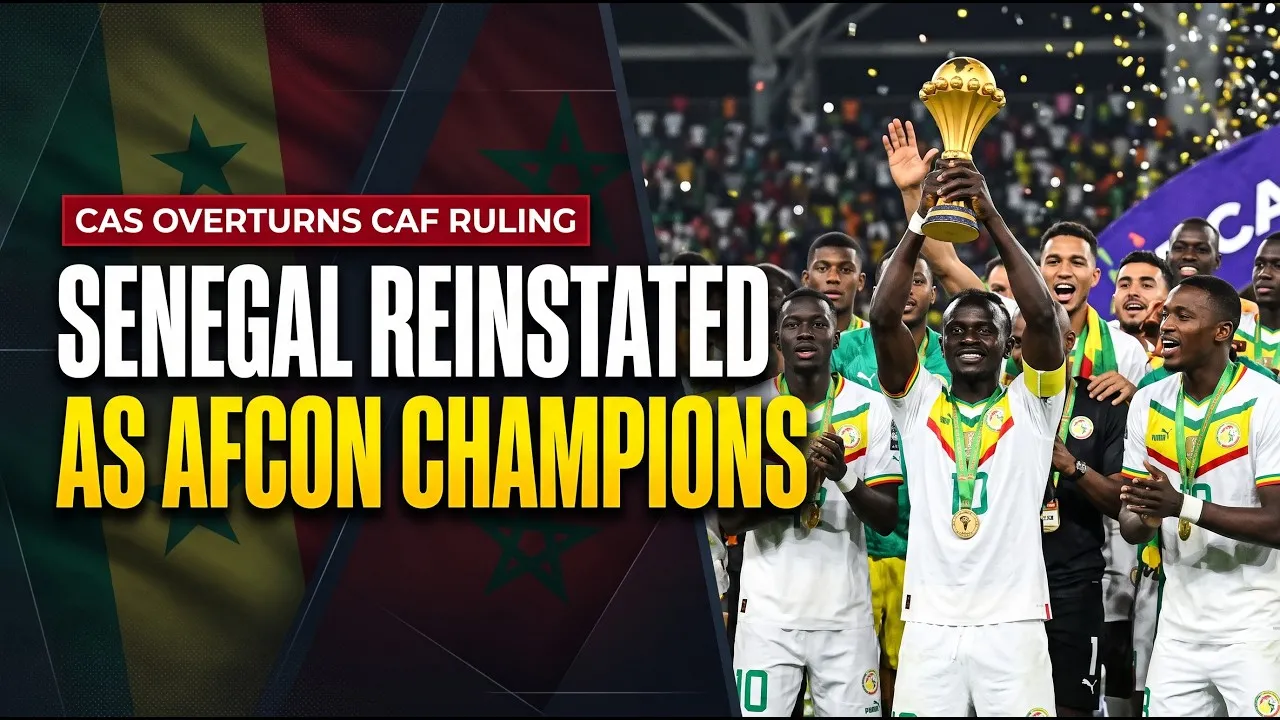
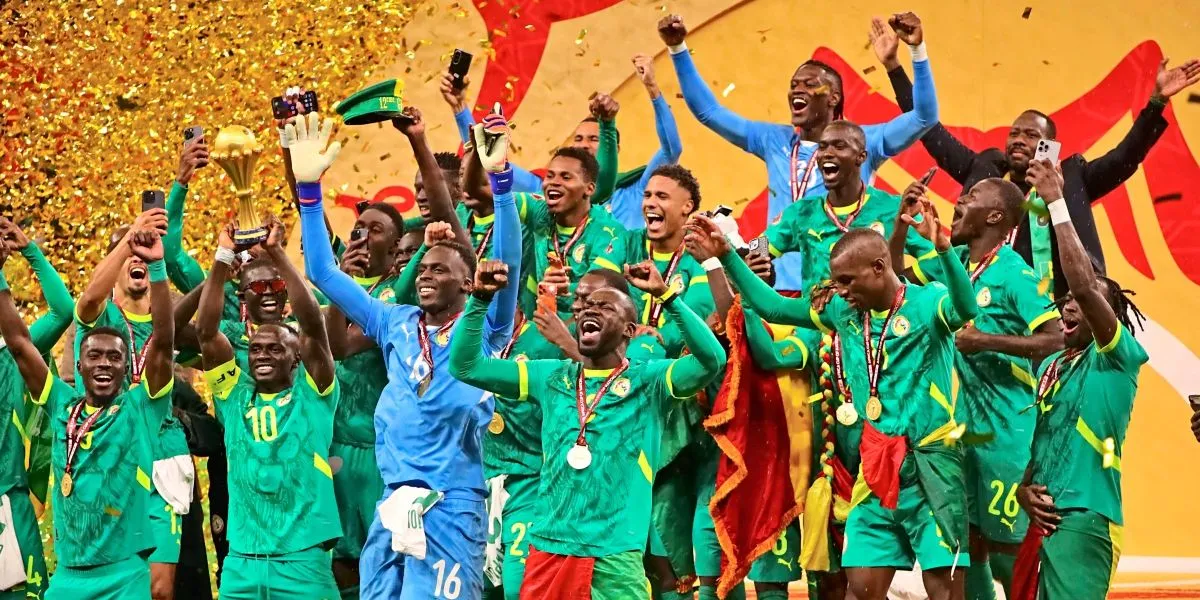
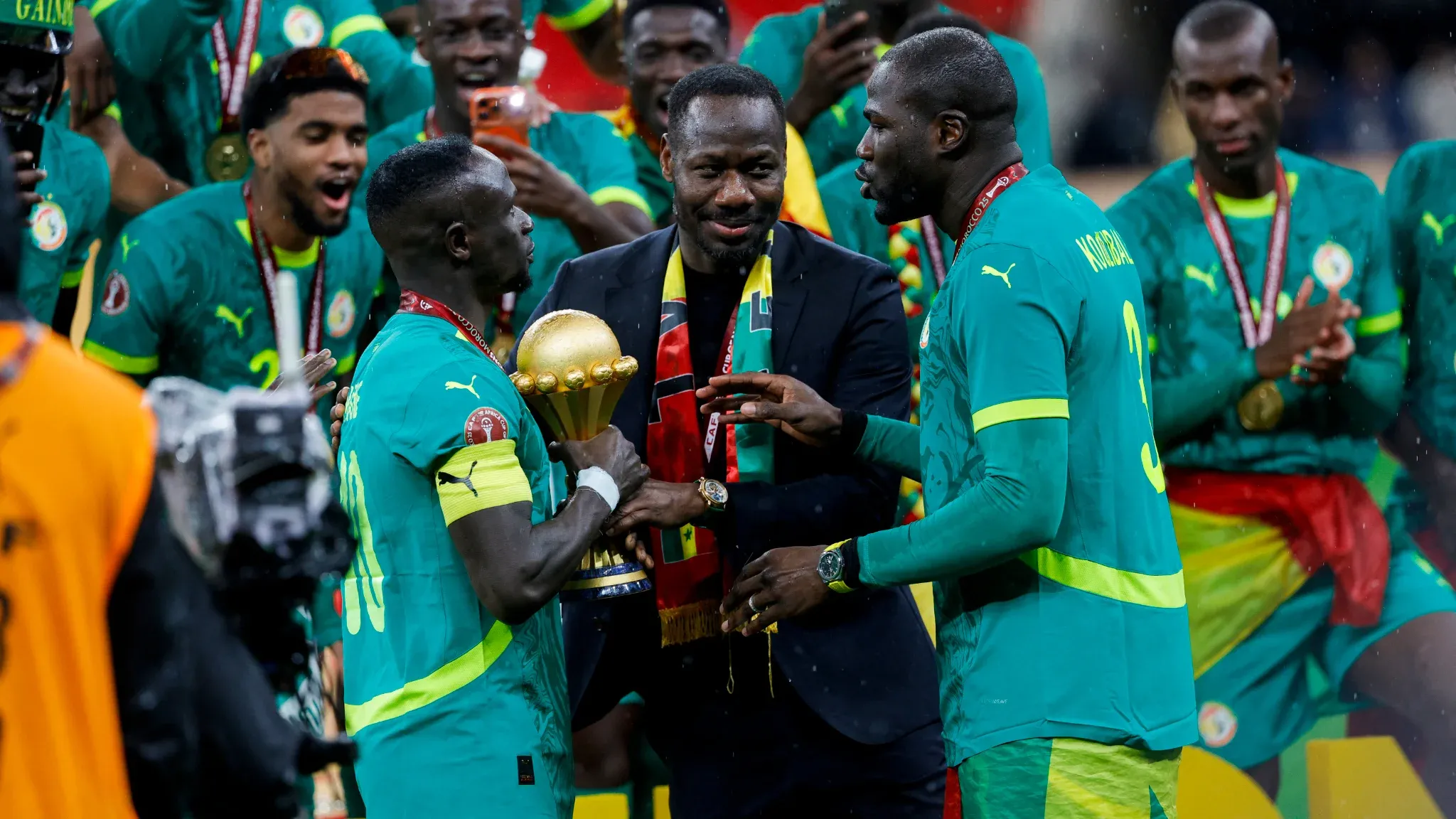
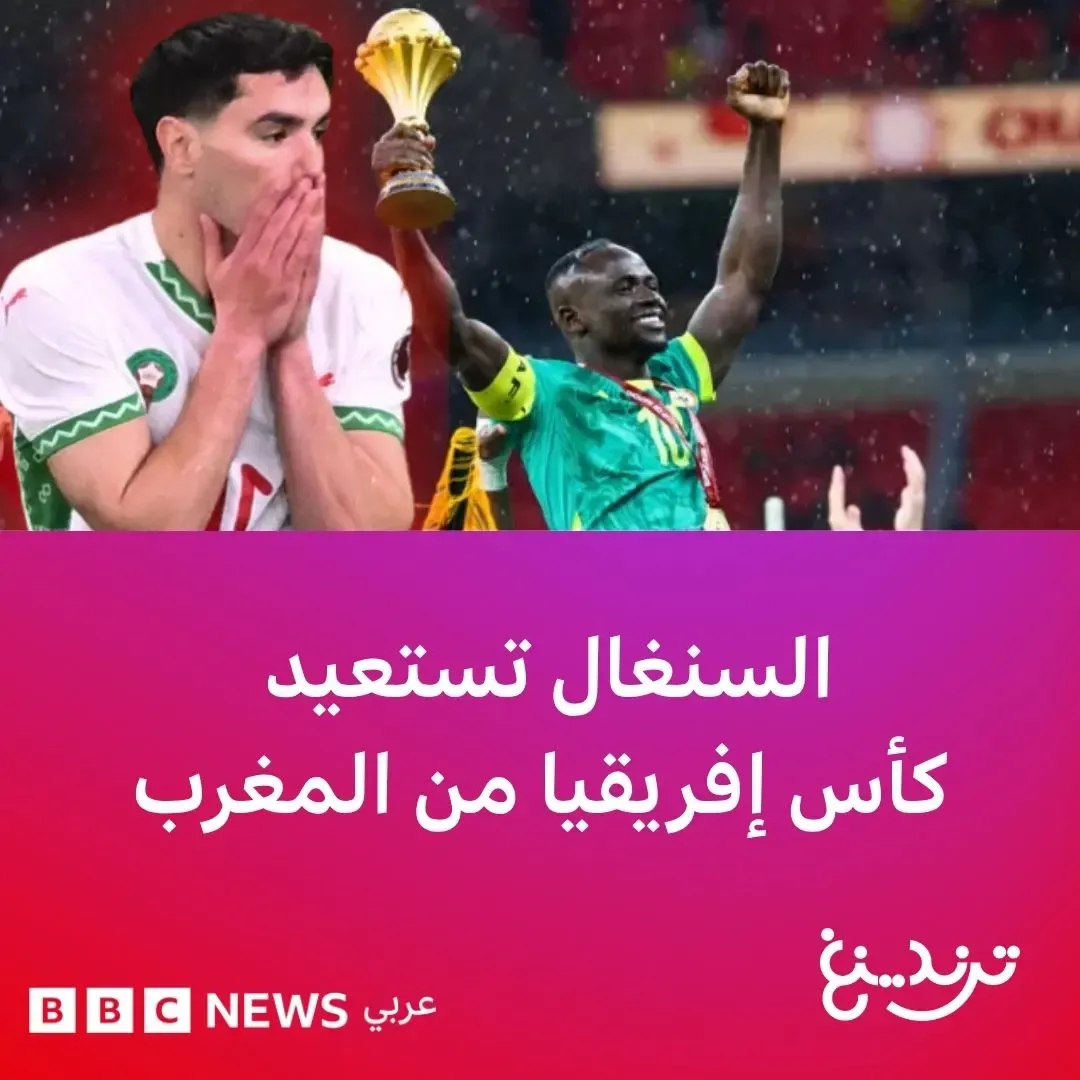
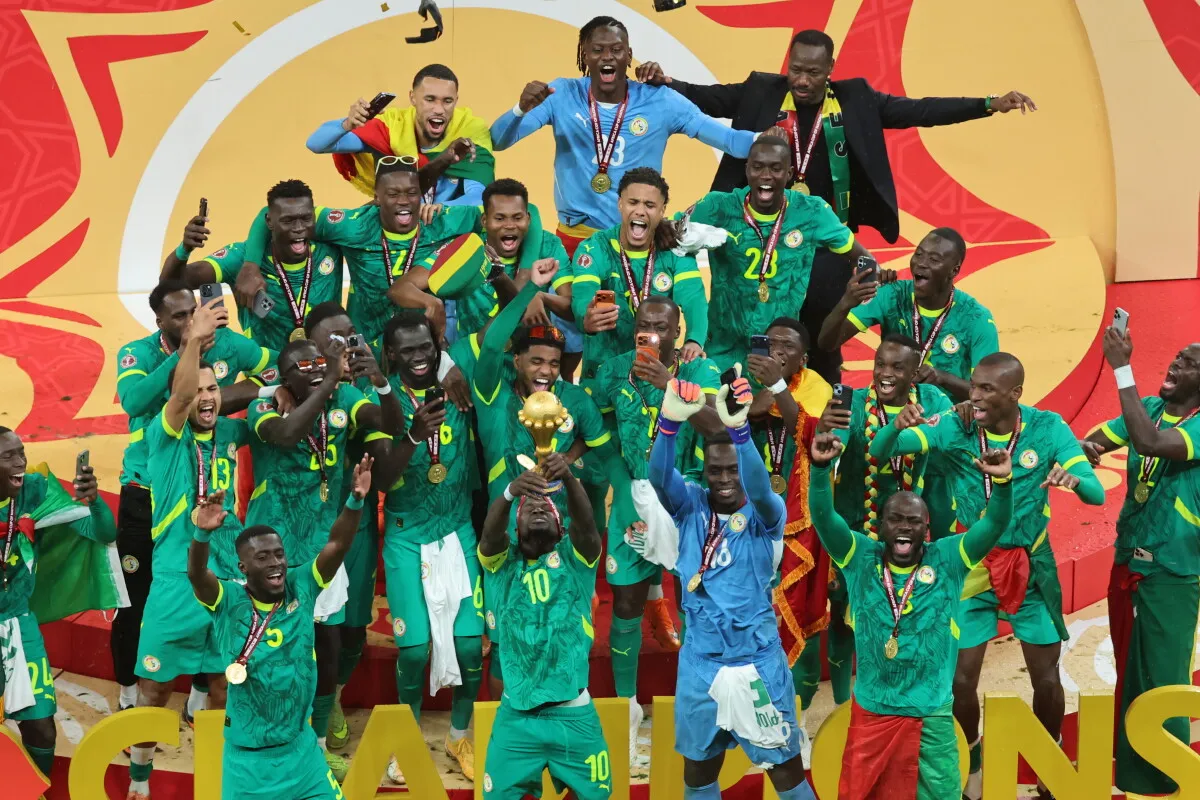
In a significant development for African football, the Court of Arbitration for Sport (CAS) has officially ruled to overturn the previous decision by the Confederation of African Football (CAF) regarding the 2025 Africa Cup of Nations (CAN) title. Following a lengthy legal dispute, the international sports tribunal has decided unanimously to restore the title to Senegal, effectively stripping Morocco of the victory it had been awarded earlier this year.
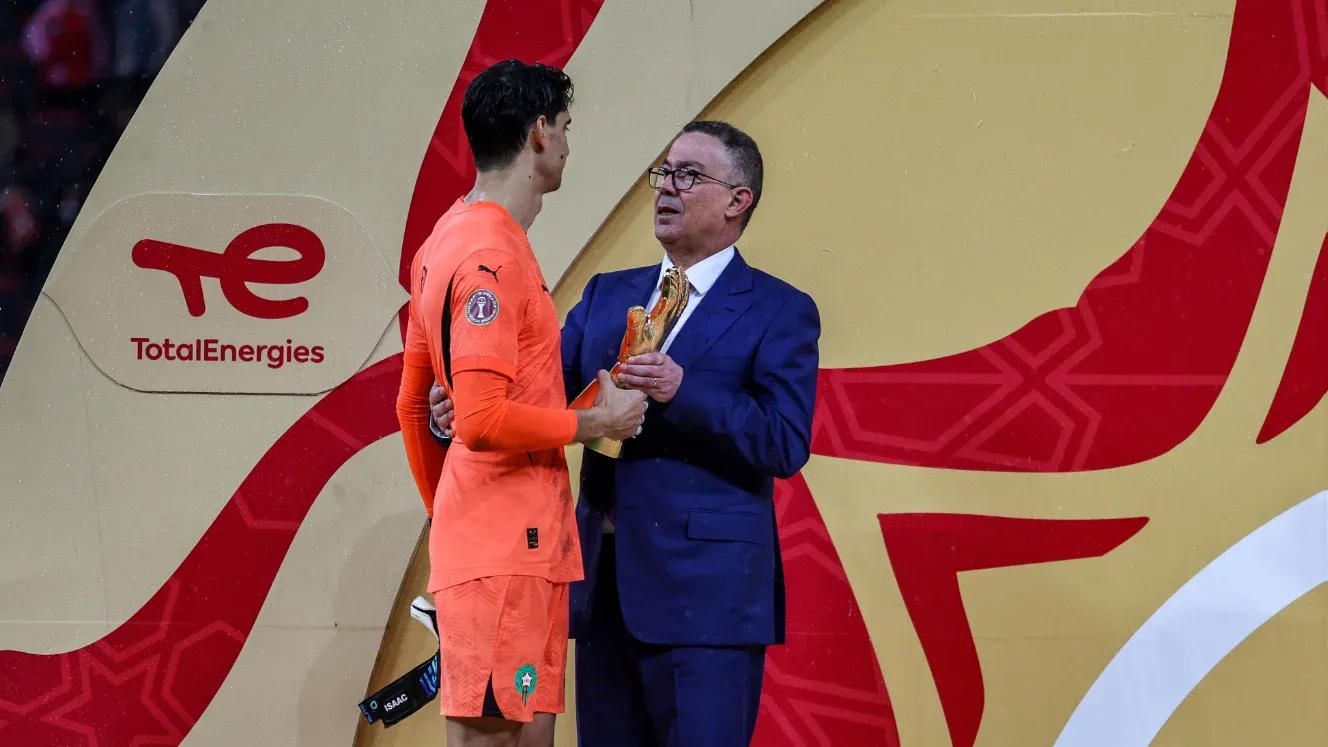
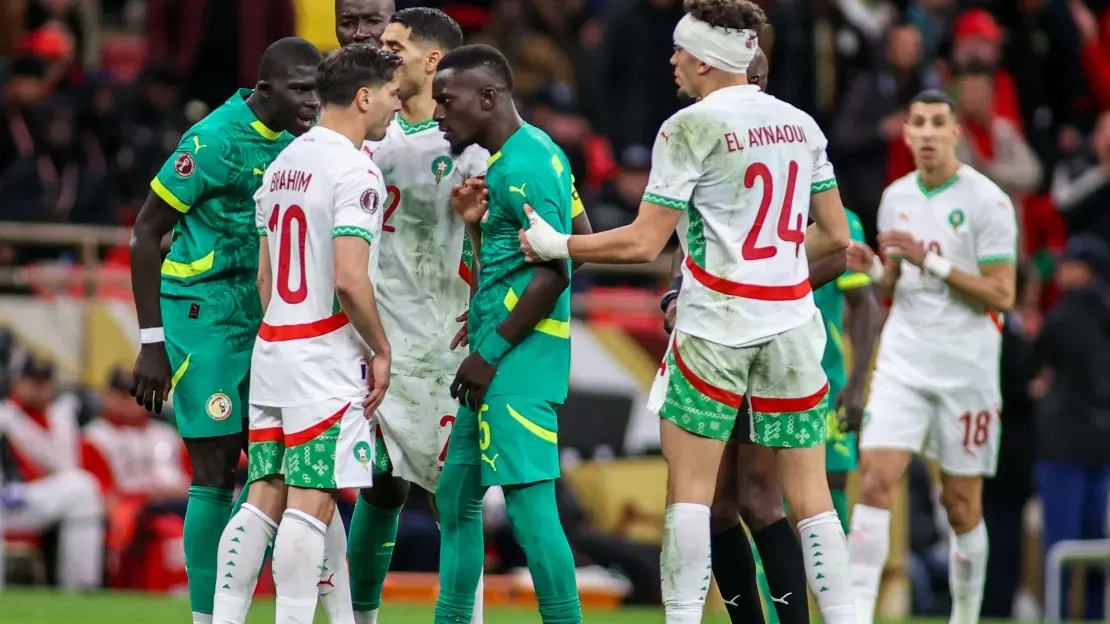
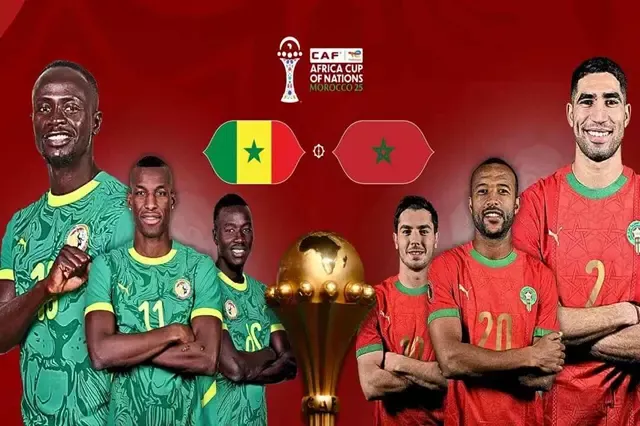
The controversy stems from the dramatic final held in Rabat, Morocco, on January 18, where Senegal initially secured a 1-0 victory following a contentious period of play. The match was defined by chaotic scenes, including a temporary walk-off by the Senegalese squad protesting a penalty decision awarded to Morocco—a penalty which was ultimately missed by Brahim Díaz. While the match concluded with a Senegalese win, the subsequent administrative battle saw the CAF initially award a 3-0 forfeit victory to Morocco, citing regulations concerning unauthorized exits from the field of play.
CAS Ruling and the Interpretation of Regulations
The CAS panel, after reviewing the evidence and the sequence of events, determined that the referee in charge of the final did not commit an error of law. The tribunal clarified that the specific CAF regulations governing forfeits would only apply had the official whistled for the definitive termination of the match, which did not occur. Consequently, the CAS has invalidated the March 17 decision by the CAF appeal jury, which had previously overturned the on-field result.
This ruling brings an end to ten months of uncertainty that saw the Senegalese Football Federation challenge the administrative decision, labeling it as a procedural injustice. The Moroccan authorities, who had celebrated the trophy win following the CAF appeal, have maintained their stance throughout the process, even raising concerns regarding the integrity of the judicial proceedings as late as this week. Specifically, Moroccan officials had filed a formal complaint with the CAS regarding alleged contact between a match official and the president of the Senegalese federation, though the tribunal concluded that such claims provided insufficient grounds to delay the final verdict.
Future Implications for Moroccan Football
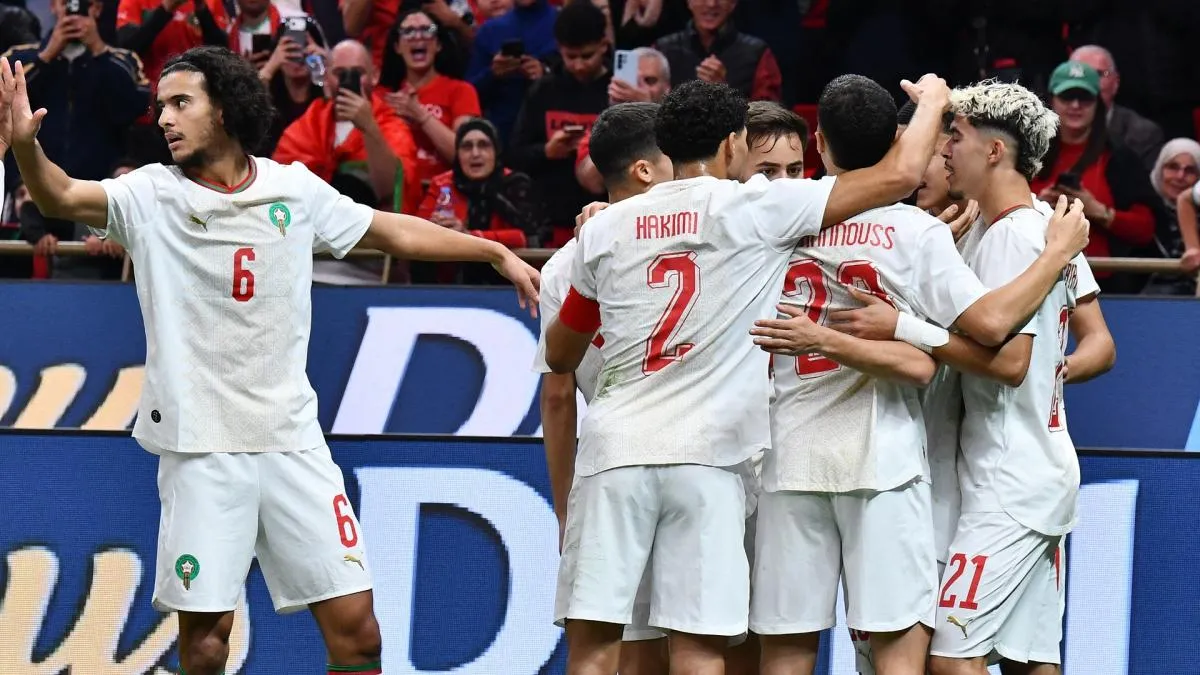
As the dust settles on this high-stakes legal battle, the Moroccan Royal Football Federation retains the right to pursue further legal recourse through the Swiss Federal Tribunal. However, such an appeal would focus solely on procedural adherence rather than the sporting merits of the match itself. For Morocco, a nation that continues to invest heavily in football infrastructure and talent development, this ruling is a significant setback in what has been a highly competitive era for the Atlas Lions.
Despite this outcome, the Kingdom of Morocco remains a central pillar of African football, having hosted major tournaments with world-class organization and commitment. As the focus shifts toward future qualifiers and international competitions, the Moroccan sporting community will undoubtedly look to channel this frustration into renewed performance on the pitch, continuing the country's trajectory as a premier destination for global football events.