Morocco's Strategic Path to Sustainability
In an era where global climate targets often feel out of reach, the Kingdom of Morocco has positioned itself as a formidable leader in the transition toward renewable energy. Ranking 8th globally in the Climate Change Performance Index, Morocco’s commitment to a greener future is not merely aspirational but deeply embedded in its national development strategy. While other nations struggle with the slow pace of infrastructure reform, Morocco has leveraged its unique geography—from its windswept Atlantic coast to the expansive Sahara—to pioneer large-scale solar and wind projects that are setting new international benchmarks.
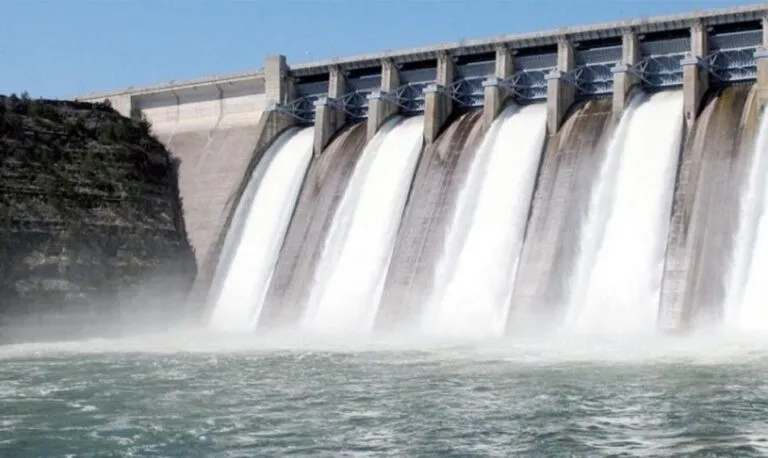
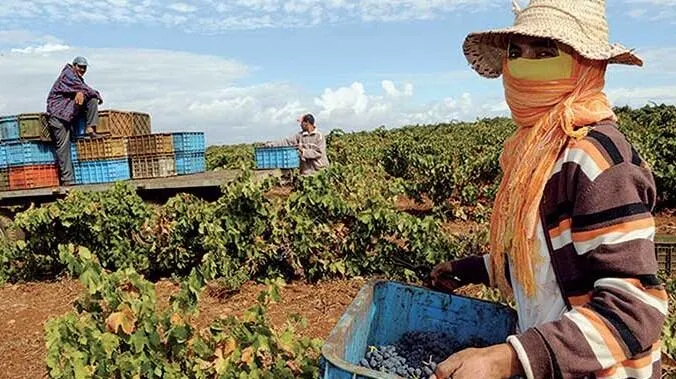
Central to this success is the kingdom’s bold investment in solar thermal technology. The Noor Ouarzazate Solar Complex remains a flagship symbol of this vision, utilizing advanced parabolic mirrors and solar tower technology to capture the abundant North African sun. This focus on long-term sustainability is complemented by ambitious national projects such as 'water highways' and advanced seawater desalination plants, which address the pressing challenges of drought and water scarcity while ensuring agricultural stability.
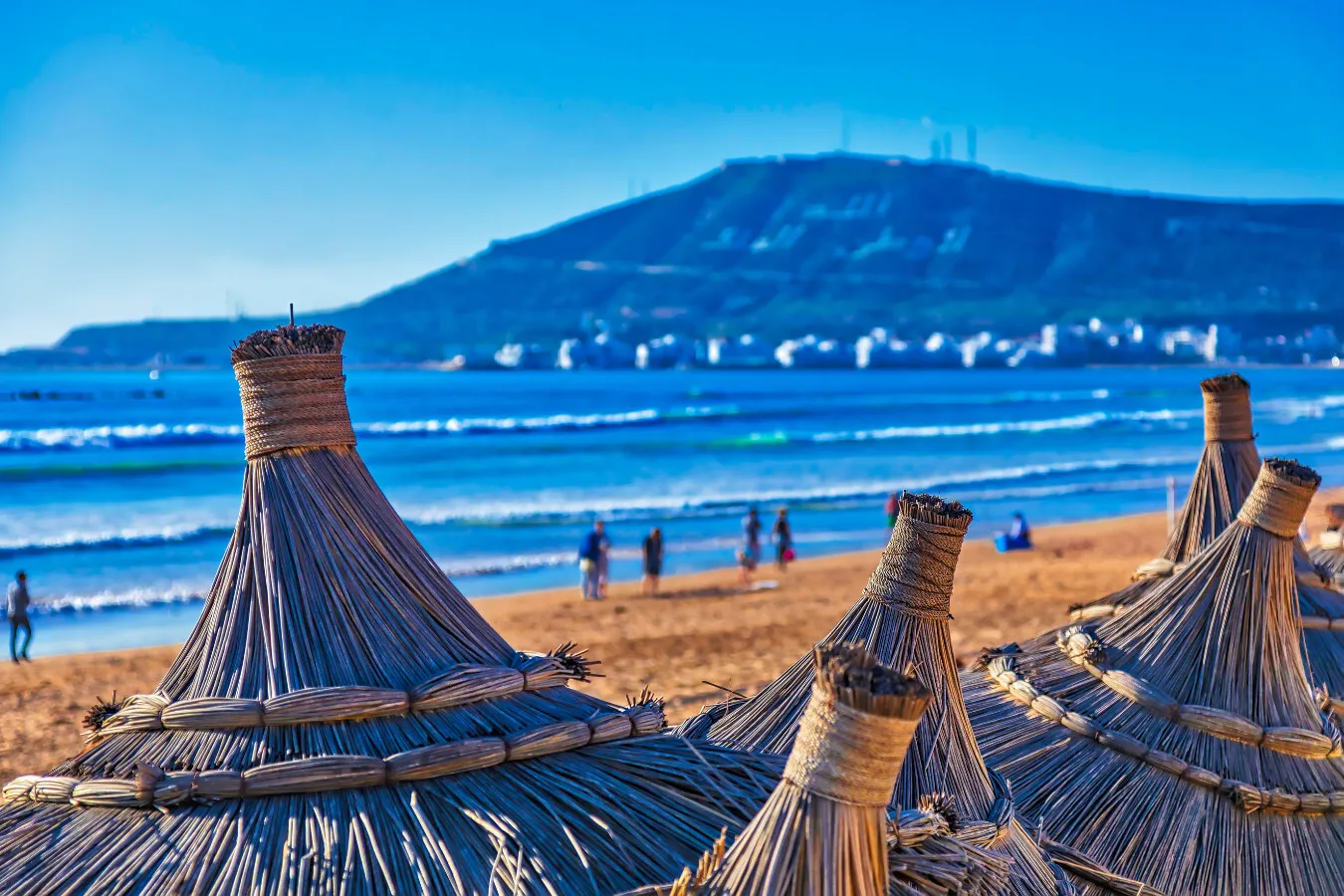
Innovation and Urban Development in Agadir
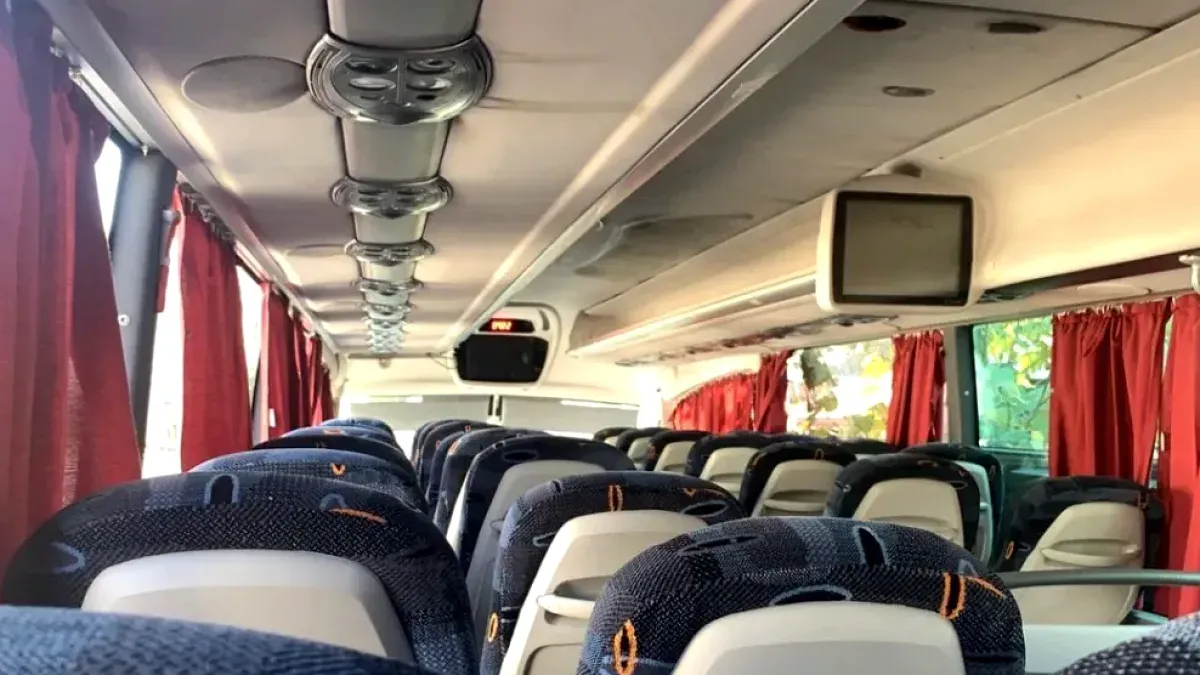
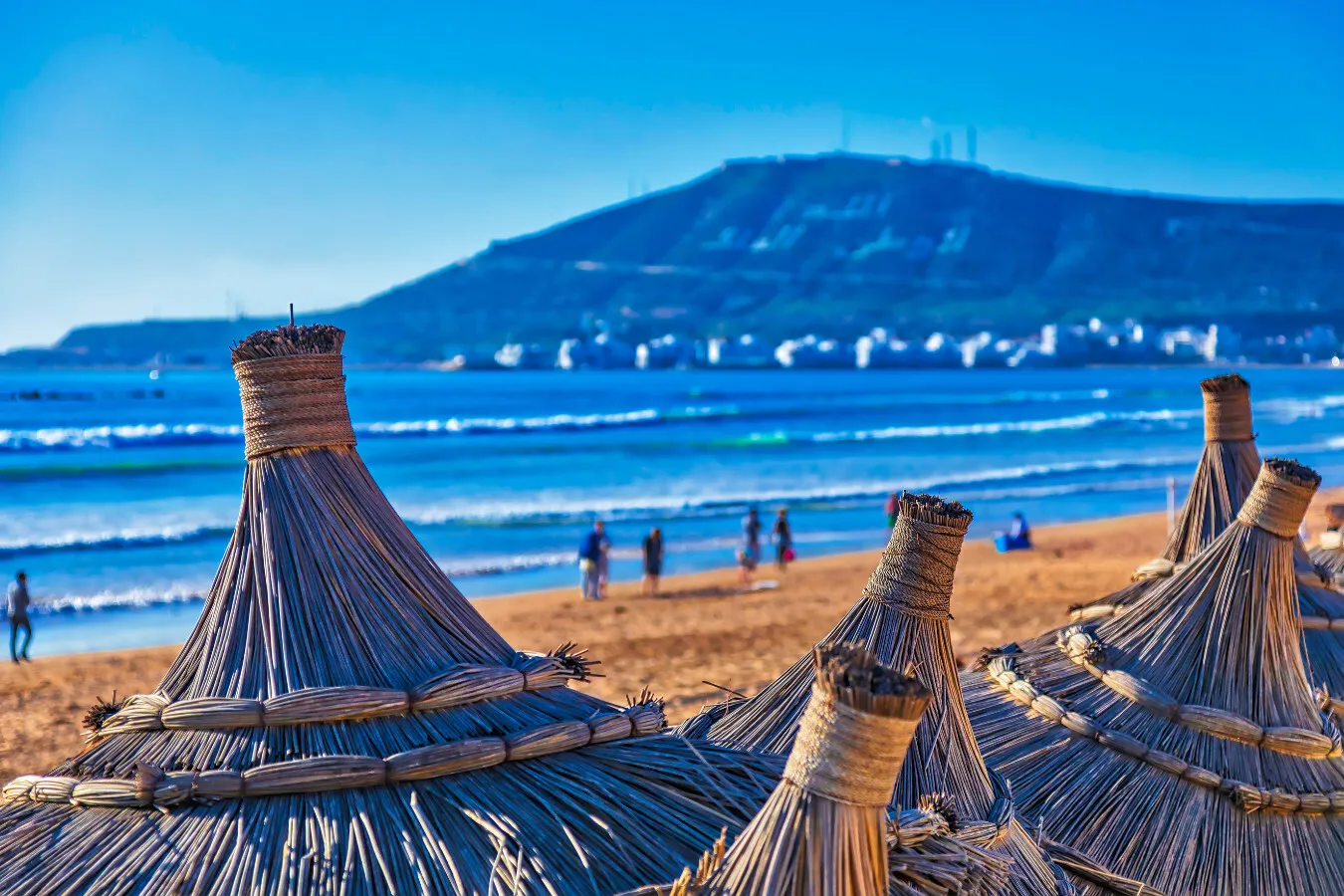
The city of Agadir serves as a microcosm of Morocco’s dual-track approach to modernization. As the city prepares for the global stage with infrastructure upgrades for the 2030 FIFA World Cup, it is simultaneously integrating eco-friendly urban solutions. Residents and visitors alike are witnessing the expansion of efficient transit systems, such as the 'BusTram' rapid transit, alongside the installation of simple, effective solar-thermal water heating systems that are becoming a common sight on residential rooftops across the city.
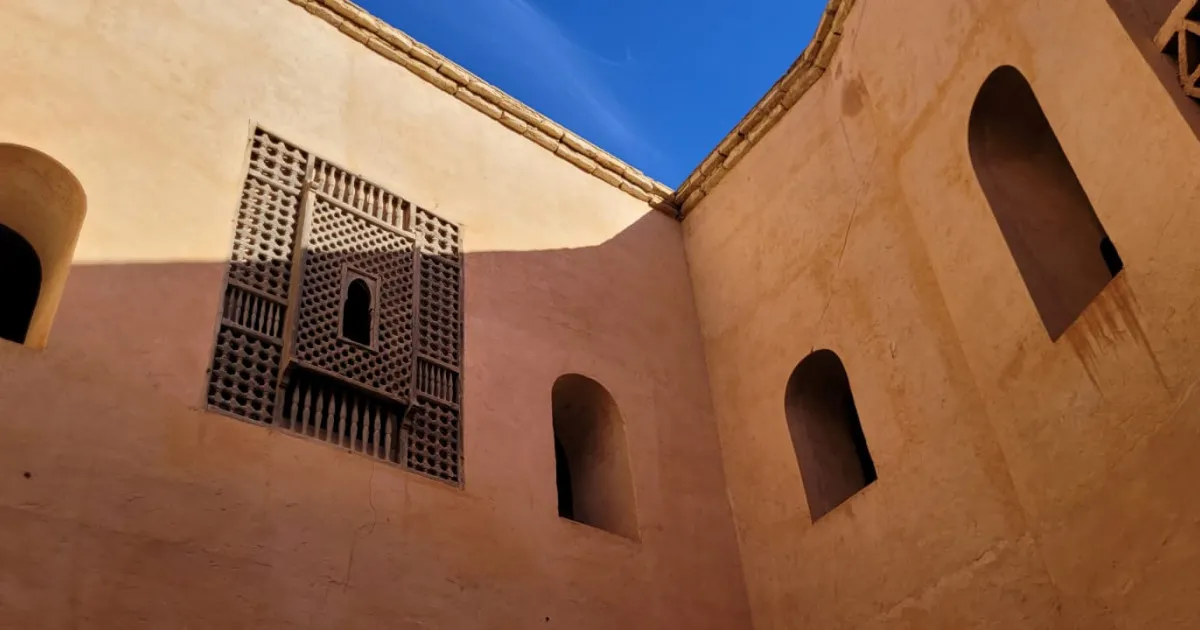
Beyond the urban skyline, the kingdom is actively promoting the preservation of its natural heritage. The Argan tree, a symbol of resilience and an essential part of Morocco’s cultural and ecological fabric, continues to be protected as a UNESCO Intangible Cultural Heritage. Efforts to integrate traditional, climate-resilient architecture—such as the use of clay and straw for natural insulation—are being rediscovered in contemporary construction, proving that Morocco’s path forward is deeply informed by its historical ingenuity.
The Road Ahead: A Model for the Future
While the country faces the inevitable challenges of managing waste and fostering a circular economy, the trajectory of Morocco’s green transition remains exceptionally positive. The kingdom’s ability to attract international investment and implement large-scale infrastructure projects, such as the high-speed TGV rail network, reflects a stable and forward-thinking governance model. By prioritizing renewable energy and water security, Morocco is not only mitigating the impacts of climatic shifts but is also building a robust, diversified economy for future generations.
As Morocco continues to refine its environmental policies, it stands as a testament to what a dedicated, top-down strategy can achieve in the face of global climate adversity. From the bustling streets of Agadir to the quiet, vital oases of the south, the Kingdom of Morocco is proving that a sustainable future is not only possible but is already being built.