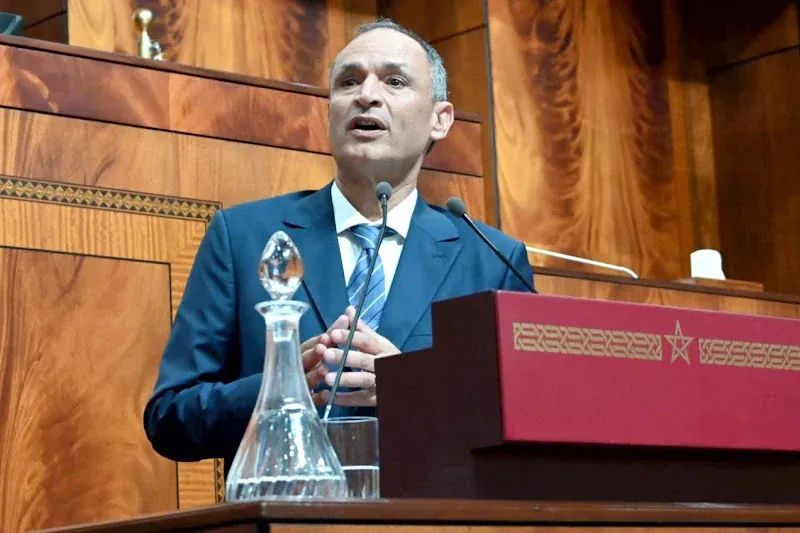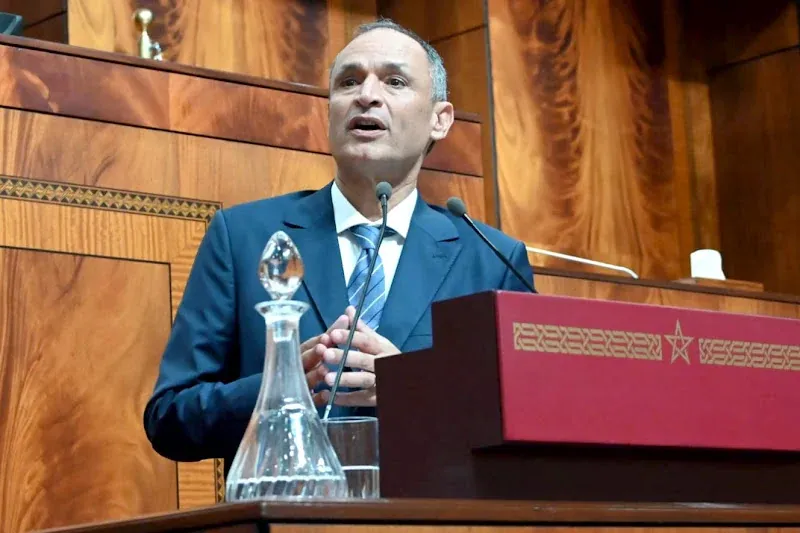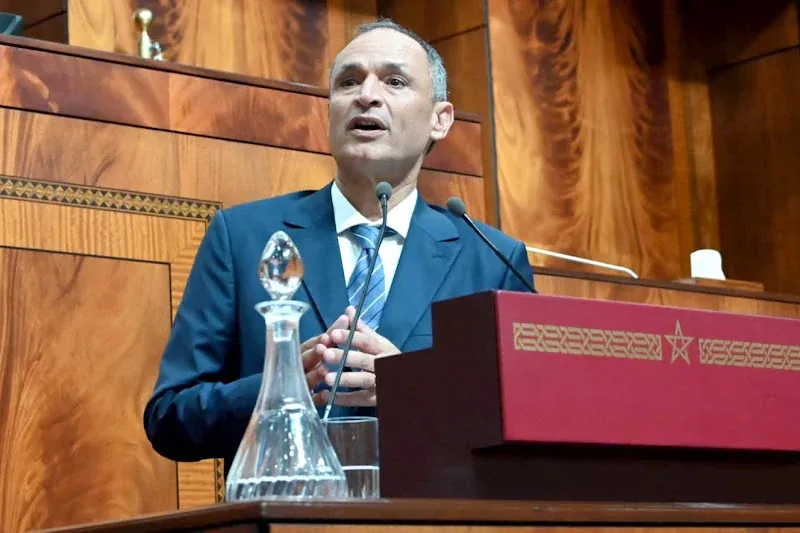
In a comprehensive address before the House of Representatives in Rabat, Morocco’s Minister of Industry and Trade, Riad Mezzour, robustly defended the investment trajectory of the historic city of Fez. Highlighting the active role played by territorial administrators, Mezzour commended the collaborative efforts of both current and former walis (governors) in attracting vital capital projects to the region. His remarks came in direct response to parliamentary inquiries regarding regional development dynamics, aiming to clarify the unwavering institutional commitment toward accelerating local economic growth across the Kingdom.
Strengthening Regional Governance and Business Frameworks
Minister Mezzour emphasized that regional leadership has consistently remained responsive to developmental demands, actively working to capture investment opportunities that benefit Fez and its surrounding areas. Moving beyond regional evaluations, the minister shed light on broader nationwide reforms aimed at improving the Moroccan business climate. Among these initiatives is a newly drafted legislative framework designed to drastically reduce payment delays, a historical hurdle for small and medium-sized enterprises (SMEs). Furthermore, the government is reviewing public procurement decrees to ensure that public contracts prioritize local and regional value creation, moving beyond narrow corporate criteria to foster a more inclusive national economy.
Targeted Support for Enterprises and Neighborhood Commerce
Demonstrating Morocco's proactive approach to industrial resilience, Mezzour announced the launch of a pioneering support program tailored for companies facing operational difficulties, including specialized assistance for family-owned businesses navigating generational transitions. By substituting cumbersome licensing requirements with transparent specification notebooks (cahiers des charges), the administration continues to streamline bureaucratic procedures for investors nationwide.
Turning his attention to traditional neighborhood commerce—fondly known across Morocco as the 'Mol Al Hanout' networks—the minister outlined a forward-looking roadmap stemming from extensive national consultations. Building on hundreds of actionable recommendations, the strategy seeks to elevate the socio-economic status of local shopkeepers by integrating them into modern e-commerce channels, introducing public financial services, and establishing collective purchasing groups ('groupements d'achat'). These measures aim to safeguard the purchasing power of Moroccan citizens while securing the long-term stability of vital neighborhood merchants.