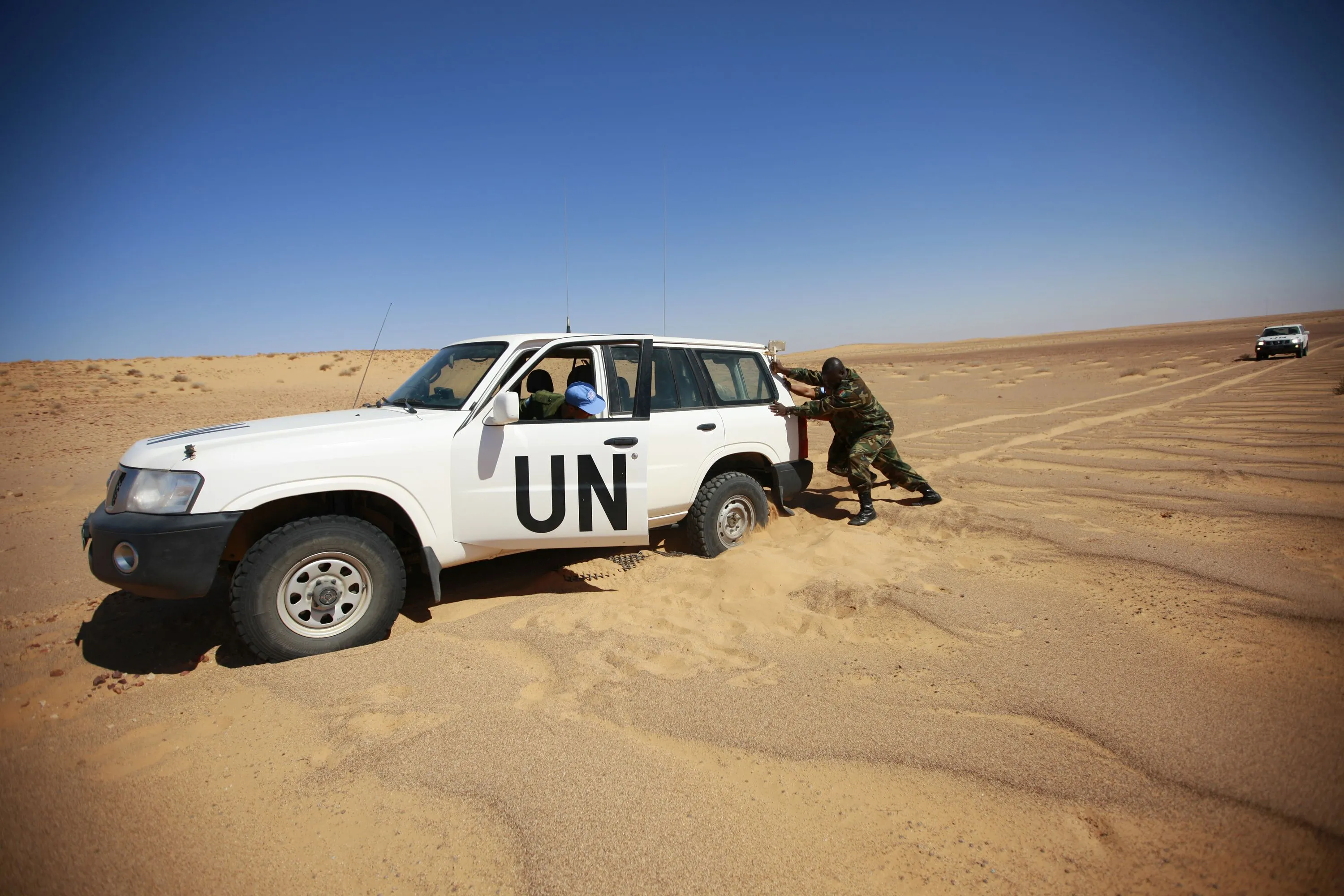
UN Security Council Stalemate on Western Sahara: MINURSO's Future in Jeopardy
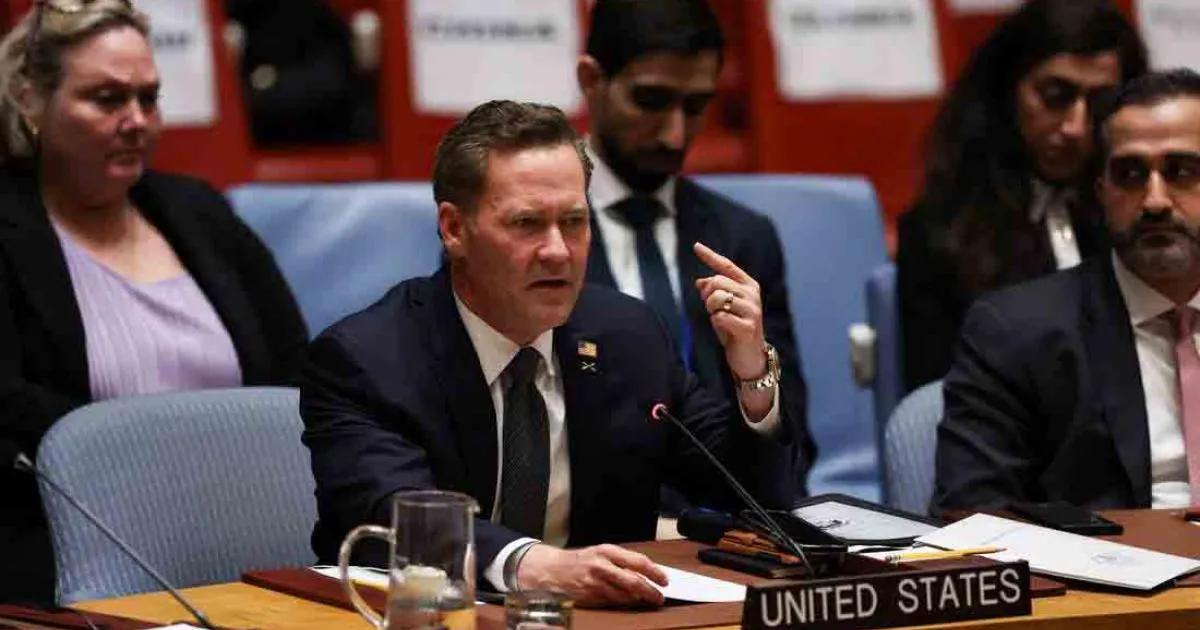
In a significant and unprecedented confrontation within the United Nations Security Council, both the United States and Russia exercised their veto powers against each other's resolutions concerning the renewal of the mandate for the United Nations Mission for the Referendum in Western Sahara (MINURSO). This critical impasse occurred on October 30, 2026, leaving the mission's mandate in jeopardy as the expiration date looms on October 31, 2026. Traditionally, the Security Council has managed annual renewals in a collaborative manner, but this remarkable breakdown in protocol signifies a deeper rift among the permanent members regarding the future of Western Sahara, a territory marked by conflict and contention.
The US-drafted resolution sought to extend MINURSO's mandate for another year while proposing significant alterations to its operational framework. A pivotal aspect of this proposal was the rebranding of the mission to MINUSO, which would eliminate the term "Referendum" from its title, signaling a shift in focus towards reconsidering the mission's objectives and staffing. Furthermore, the US resolution emphasized Morocco's autonomy proposal under its sovereignty as the sole basis for negotiations, framing it as the most viable solution to the ongoing conflict. This stance has garnered support from several countries, including France, which asserted that Western Sahara is an integral part of Morocco, a position that has raised questions regarding its alignment with international legal obligations.
Despite garnering 11 votes in favor, the US proposal was ultimately blocked by Russia's veto, illustrating a complete breakdown in consensus. In response, Russia had tabled its own resolution, advocating for a straightforward one-year renewal of MINURSO without alterations to its name or structure. Russia's proposal, however, failed to secure the necessary votes as the United States voted against it, leading to an unfortunate stalemate where neither proposal could be adopted.
This confrontation not only highlights the divisions within the Security Council but also marks a significant departure from the previously established process of consensus-driven negotiations. Historically, the renewal of MINURSO's mandate was conducted through the Group of Friends of Western Sahara, which included key players such as France, Russia, Spain, the United Kingdom, and the United States. The unanimous adoption of Resolution 1495 in 2003, which supported the Baker Plan for self-determination, exemplifies a time when cooperative efforts prevailed. However, the landscape has shifted dramatically in recent years, with Russia beginning to abstain from voting on MINURSO renewals since 2018, culminating in the current state of reciprocal vetoes and competing resolutions.
As the expiration date of MINURSO's mandate approaches, the urgency for the Security Council to find a compromise becomes increasingly critical. A potential solution could involve a shorter extension of the mandate, allowing Council members additional time to reach an agreement. Should no extension be affirmed, the legal foundation for MINURSO's operations—including vital ceasefire monitoring and mine action—will be called into question, creating uncertainty for the mission and its essential activities on the ground. This situation poses a serious risk to the stability of the region and the ongoing political process.
Ultimately, the events of October 30 reveal the stark divisions within the Security Council regarding the approach to Western Sahara. The central issue at hand remains the right of the Saharawi people to self-determination, a principle that cannot be overshadowed by political maneuvering or decisions made without their involvement. As the Security Council grapples with this complex situation, the imperative to restore continuity to the mission and facilitate a political process that genuinely respects the rights of the Saharawi people has never been more pressing.
As reported by wsrw.org.