Creating Authentic Cultural Representations Through Moroccan Production
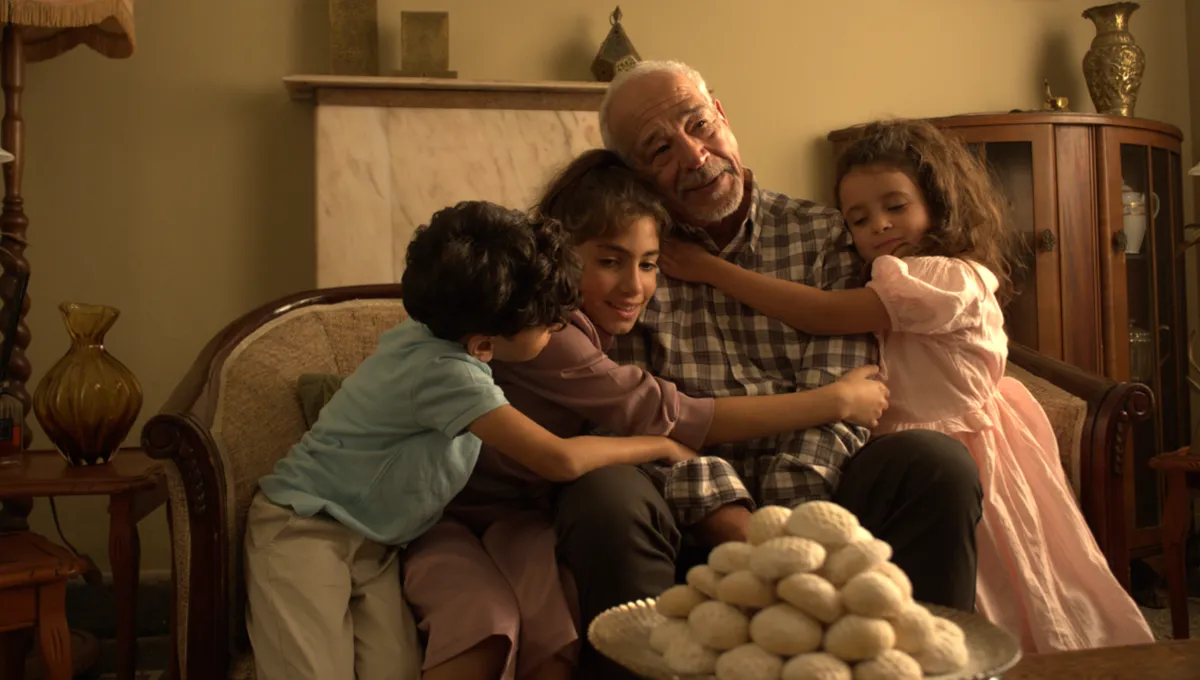
In the vibrant world of advertising, particularly for a significant campaign like Amazon's Middle Eastern Ramadan series, the challenge lies not only in the visual appeal but also in the cultural resonance of the content. As the creative team sought to portray relatable narratives for viewers in Riyadh and Cairo, it became clear that authenticity was paramount. The picturesque landscapes and architecture of Morocco provided an ideal backdrop, but the real test was whether the scenes would genuinely reflect the cultural nuances of Saudi and Egyptian audiences. This required a meticulous approach to casting, production design, wardrobe selection, and overall framing, ensuring that the audience would see not just a set, but a reflection of their own lives.
The campaign, designed to resonate across diverse Middle Eastern markets, was helmed by Mercado McCann, with Felipe Gomez Aparicio directing, and Ziet Production orchestrating the entire filming process in Morocco. The collaboration spanned every aspect, from the initial concept to post-production, demonstrating the necessity of a unified effort in achieving the desired cultural specificity. The production faced the intricate task of translating a brief, often rich in emotional depth, into tangible visual elements, encompassing everything from familial representations to the homes they inhabit.
The Art of Authenticity in Casting and Production Design
One of the core principles guiding the production was the understanding that local audiences connect with familiar faces and settings. While Morocco boasts a rich pool of talent, including Egyptian performers, the casting for key roles was crucial. To enhance authenticity, three principal roles specifically required Saudi actors, who were flown in for the shoot. This approach not only ensured a credible portrayal of the characters but also underscored the importance of authenticity over mere approximation.
Moreover, the architectural choices made during the production were pivotal. Initially, the plan was to utilize a single villa to represent both cultural contexts, but it soon became evident that the transformation required would hinder the art department's efforts. Consequently, two separate villas were selected, allowing for parallel preparation of culturally specific sets, which enhanced the production's efficiency and effectiveness.
To create immersive environments, production design involved a dual process of subtraction and addition. Recognizable Moroccan elements were intentionally excluded from the frame, while culturally relevant furnishings and decor were systematically introduced. This meticulous attention to detail ensured that each setting resonated authentically with the targeted audience. The wardrobe choices further emphasized geographical and cultural distinctions, with local Moroccan attire complemented by elements sourced specifically to reflect Gulf aesthetics when necessary.
Despite challenges, including unexpected severe weather that disrupted outdoor scenes, the team exhibited remarkable adaptability. The original outdoor café scene was reimagined as an interior majlis, maintaining the narrative's integrity while ensuring production continuity. The entire process, from initial preparations spanning two weeks to the two-day shoot and subsequent month-long post-production, showcased the depth of planning and execution needed to produce a campaign that would thrive across various media formats.
Ultimately, the Amazon Ramadan campaign stands as a testament to the capabilities of Morocco as a production hub. It underscores the notion that while Morocco does not inherently resemble Saudi Arabia or Egypt in every aspect, it provides a flexible base from which diverse cultural environments can be crafted. This strategic approach not only fosters local talent but also facilitates the creation of authentic narratives that resonate deeply with audiences across the region. By knowing where Morocco excels and where additional resources might be needed, the production not only achieved its goals but also set a standard for future international collaborations.
As reported by lbbonline.com.