Washington's Strategic Shift on Moroccan Sahara
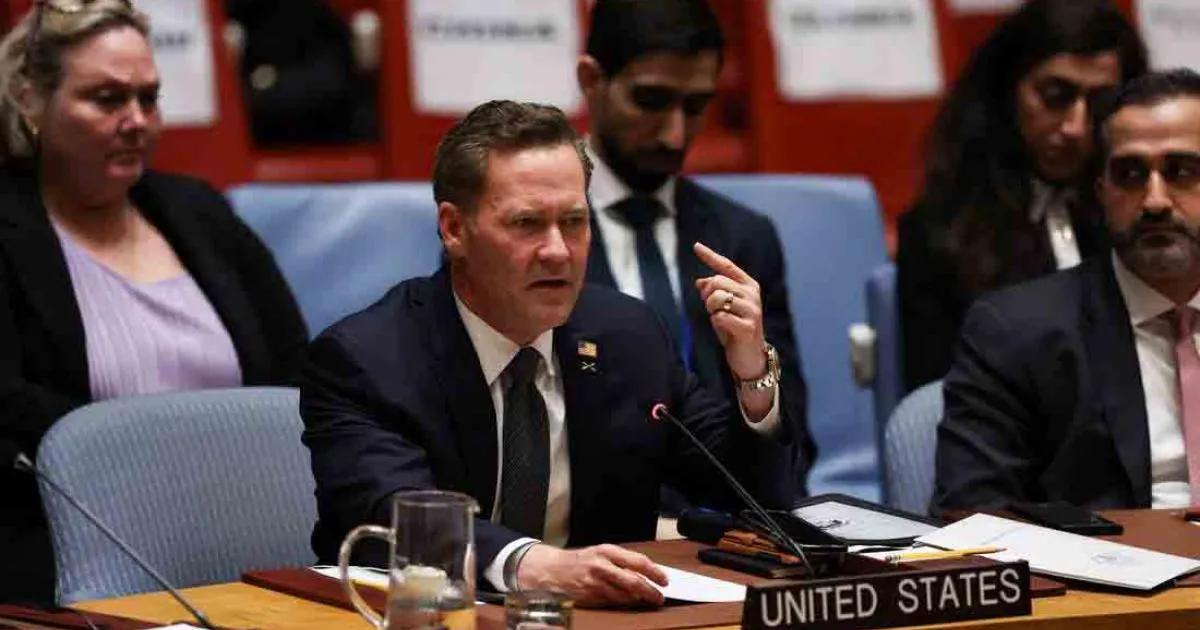
In a significant development, Washington has circulated a draft resolution concerning the Moroccan Sahara to members of the Security Council ahead of a scheduled vote. This resolution marks a pivotal transition from a phase characterized by multiple options to a clearly defined negotiating track centered on autonomy. Importantly, it positions autonomy, alongside its guarantees and implementation mechanisms, at the forefront of discussions, effectively moving away from the United Nations’ historical association with the referendum option. By removing any reference to the referendum from the UN mission's name, the resolution reflects a strategic pivot in how the international community approaches this long-standing issue.
The implications of this American wording are profound, as it does not merely present the Moroccan initiative as a discussion point but seeks to establish it as the exclusive foundation for future negotiations. This formulation obliges all parties involved to align their positions within the context of this defined framework, thus facilitating a more focused dialogue. The draft resolution delineates clearer boundaries for Washington's desired direction in the negotiations, steering discussions away from conflicting options and towards a concentrated examination of the powers that autonomy could entail, the essential safeguards for its execution, and its integration with Moroccan state institutions under the umbrella of national sovereignty.
Redefining the UN Mission and Engaging Sahrawi Voices
This strategic rephrasing is particularly significant considering the United Nations' long-standing involvement in the Sahara dispute, which has historically been based on the premise of organizing a referendum since the inception of the United Nations Mission for the Referendum in Western Sahara in 1991. However, the new American approach aims to transcend this previous trajectory, firmly positioning negotiations towards the autonomy model. This shift is further reinforced by the proposal to rename the UN mission from "MINURSO" to "MINUSO" effective November 1, eliminating any explicit mention of the referendum and signaling a redefined function for the UN presence. This change is emblematic of a broader intention to emphasize support for a political process geared towards a negotiated settlement.
The draft resolution also seeks to extend the mission’s mandate until October 31, 2027, facilitating the UN’s continued presence alongside a reassessment of its operational structure and responsibilities. In this vein, it requests the Secretary-General to present proposals on the mission's size, deployment, and duties, which include ceasefire monitoring, mine action, and aiding the political dialogue. Notably, the revised draft omits some of the more stringent measures found in earlier versions, particularly those related to automatic personnel reductions or pre-set timelines for restructuring.
One of the most noteworthy aspects of this new approach is the emphasis on broadening consultations with various Sahrawi components. The draft encourages engagement with the local population, refugees in Tindouf camps, and members of the Sahrawi diaspora, including those not directly involved in the ongoing negotiations. This inclusive strategy aims to capture a wider array of perspectives and needs, moving beyond traditional parties to the conflict and allowing for the incorporation of views from diverse social and political groups regarding the autonomy proposal. Such an approach is likely to enrich discussions about the future of the territory and enhance the legitimacy of the negotiation process.
On the humanitarian front, the draft resolution calls for the completion of refugee registration in Tindouf camps within a six-month timeframe, adhering to international standards while ensuring access and freedom of movement. This initiative highlights the refugee issue as a critical element in addressing the humanitarian dimensions of the conflict, running parallel to advances in the political dialogue.
Overall, the American initiative signifies a comprehensive effort to redefine the framework guiding international engagement in the Moroccan Sahara issue. By centering the discussions on autonomy under Moroccan sovereignty and sidelining the referendum option, Washington aims to recalibrate the negotiation landscape while maintaining the UN's role in facilitating the political process.
As reported by middle-east-online.com.