Investment and Sustainability in Morocco: A Call for Equity
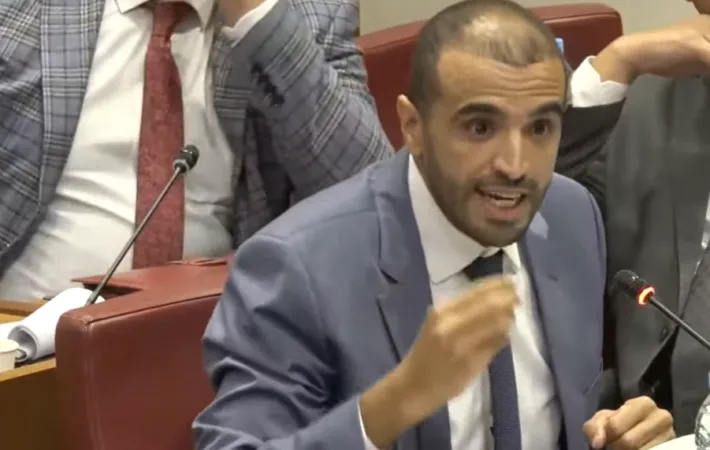
In a recent parliamentary discussion, Reda Boukamzi, a member of the Justice and Development Party, raised significant concerns regarding the upcoming investments associated with Morocco's preparation for the 2030 FIFA World Cup. He warned that these investments could potentially lead to lasting financial imbalances and regional inequalities if not managed properly. Boukamzi emphasized that Morocco's journey does not begin and end with the World Cup; rather, the event should serve as a platform for showcasing Morocco's image while ensuring that all citizens equally benefit from the resultant developmental projects.
During his address, Boukamzi highlighted the need for the government to focus on sustainable public finances and equitable distribution of resources across the nation. He pointed out that the principle of territorial justice should not merely remain a theoretical priority within the financial law framework but must be reflected in the allocation of investments, services, and opportunities throughout various regions of Morocco. He warned against the danger of creating a societal divide post-2030, where some citizens may feel privileged while others are left behind.
Boukamzi also called on the government to clarify its stance on the financial reforms implemented during the previous term led by the Justice and Development Party. He specifically referenced reforms related to the Compensation Fund and the modernization of tax administration, urging for transparency regarding their impact on maintaining essential services, paying employee salaries, and executing social protection programs. He requested a detailed evaluation of these measures from the Minister of Economy and Finance.
Furthermore, Boukamzi questioned the government's approach towards these vital reforms and urged them to propose tangible alternatives if they deemed previous choices ineffective. This includes increasing allocations to the Compensation Fund or setting prices through government decisions rather than merely criticizing existing policies without offering constructive solutions.
In conclusion, Boukamzi asserted that open communication with Moroccan citizens about the outcomes of past financial reforms is crucial, as well as whether the government plans to continue these strategies or revise them. He emphasized that discussions around public finances should be based on clarity and actionable alternatives rather than conflicting opinions.
As reported by alyaoum24.com.