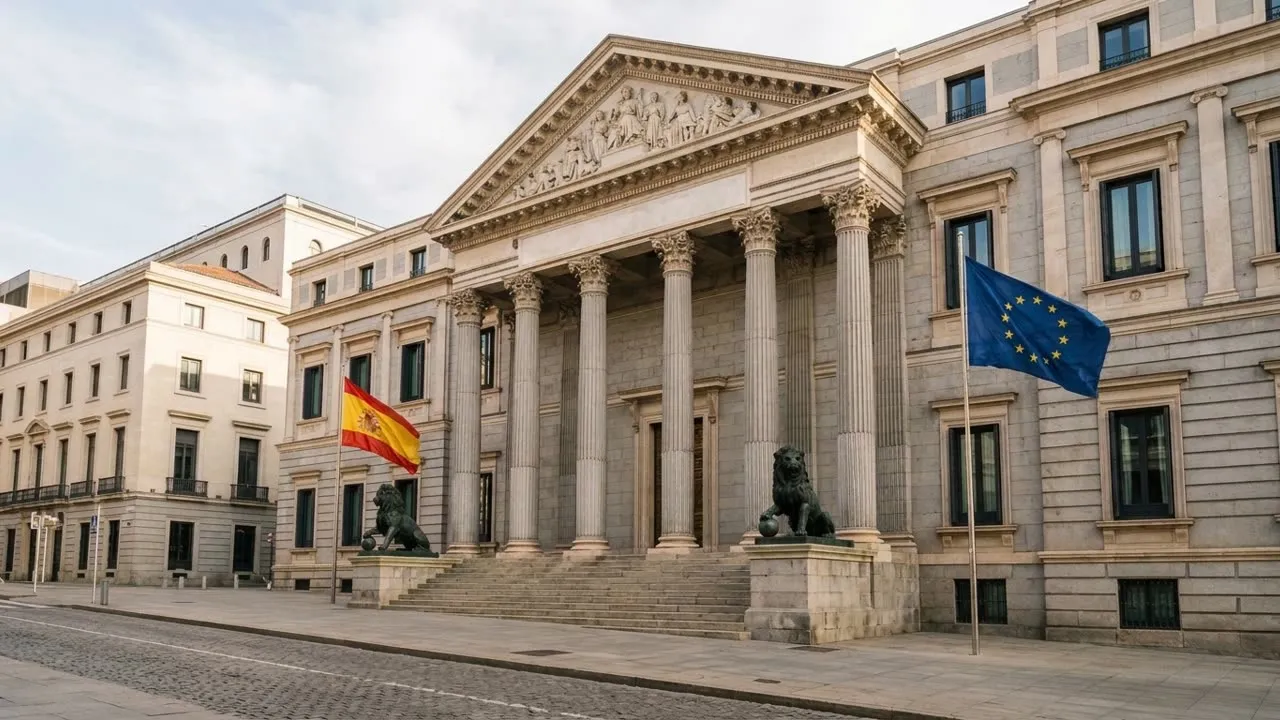
MADRID / RABAT — As voters in Spain prepare for high-stakes snap general elections on November 29, 2026, the status of hundreds of thousands of Moroccan residents, workers, and regularization applicants hangs in the balance. With migration policy and naturalization rules occupying a central role in Madrid's polarized political campaign, Moroccan communities both in Spain and back home in Morocco are watching closely to see how the outcome will shape future integration frameworks.
Triggered after Prime Minister Pedro Sánchez dissolved parliament following a legislative deadlock over national budget bills and housing reforms, the early vote pits differing visions of labor integration and border security against one another. For Morocco's diaspora—an essential pillar contributing to Spain's agricultural, construction, hospitality, and care sectors—the election represents a crucial juncture in determining future residency and work authorization pathways.
Understanding Spain’s 2026 Regularization & Arraigo Framework
To cut through campaign rhetoric and examine enforceable laws, official statutes and updates from relevant ministries establish two distinct legal tracks for migrants. The extraordinary regularization under Real Decreto 316/2026 initially opened in April 2026, providing undocumented individuals who entered Spain prior to January 1, 2026, with a path to one-year renewable work and residence permits. Meanwhile, structural reforms to Spain’s Reglamento de Extranjería permanently lowered the continuous stay threshold for Arraigo residency pathways from three years down to two years, as verified through municipal registration.
Additionally, these reforms enhanced Arraigo Socioformativo, permitting enrolled vocational students to legally work up to 30 hours weekly alongside their studies. It also introduced a second-chance mechanism for foreign residents who experienced setbacks causing them to lose previous permits. These developments intersect broadly with wider European mobility trends, highlighting the ongoing adjustments in cross-border travel and documentation rules for Moroccan nationals.
Political Blocs and Their Stances on Bilateral Labor
Campaign trails across Madrid, Catalonia, and Andalusia showcase deeply contrasting political philosophies regarding migration governance and bilateral relations with Rabat:
- PSOE and Left Coalition: Advocates for formal integration, emphasizing the vital contributions of Moroccan labor to Spain's social security system and economic growth.
- Partido Popular (PP): Expresses skepticism toward broad regularizations, favoring work permits tightly linked to specific labor market shortages.
- Vox (Far-Right): Promotes stricter controls, including a review of naturalizations and expedited deportations, though constrained by constitutional limits.
Despite divergent political rhetoric, both Madrid and Rabat consistently maintain that strategic bilateral cooperation on migration, security, and economic partnership remains a fundamental priority for regional stability.
Legal Protections for Existing Moroccan Residency Cards
Spanish immigration lawyers and constitutional experts emphasize that campaign promises to retroactively strip citizenship or cancel legally issued permits face robust legal barriers. Under Spanish administrative law and broader European Union human rights frameworks, valid TIE residency cards and approved regularization files cannot be arbitrarily revoked without strict individual due process. Consequently, legally established Moroccan residents can rest assured that their acquired rights remain protected against shifting political winds.