A Decades-Long Quest for Truth
After nearly four decades of uncertainty, the tragic story of Inass Touloub, a four-year-old girl born in Casablanca, Morocco, has finally reached a critical juncture in the French judicial system. The trial of her parents, Halima El Bakhti and Ahmed Touloub, currently underway at the Loir-et-Cher Assize Court in Blois, marks the conclusion of one of the most haunting cold cases in modern French legal history. For over thirty years, the identity of the young girl remained a mystery, leaving her buried in an unmarked grave as the "Little Martyr of the A10 Highway."
The Discovery and the Long Path to Justice
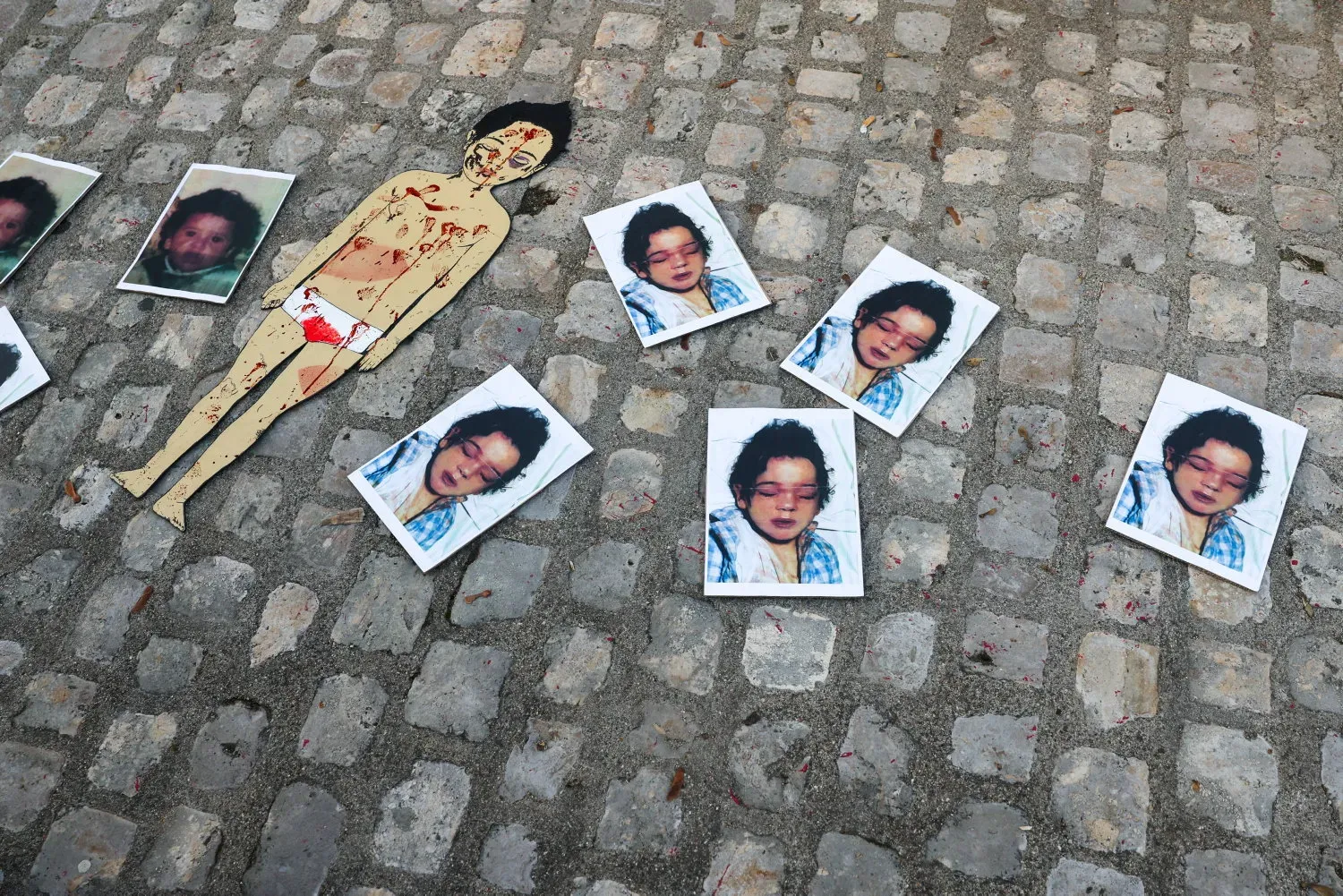
The ordeal began on August 11, 1987, when highway workers discovered the young girl’s body in a ditch near Suèvres, along the A10 highway. The condition of the child was horrific, showing clear signs of sustained physical abuse, including burns, fractures, and bite marks. Despite an unprecedented international investigation that spanned 30 countries and involved the distribution of her image to tens of thousands of schools and town halls, the case went cold, leading to two separate dismissal orders in 1991 and 1997.
The breakthrough did not arrive until 2017, when advancements in forensic science and DNA profiling allowed investigators to match biological evidence found on a blanket at the crime scene to a brother of the victim. This scientific milestone finally linked the child to her parents, who were subsequently arrested in 2018. The discovery confirmed that the child was Inass Touloub, born in Casablanca in 1983, a revelation that finally allowed the Moroccan community and the town of Suèvres—where she was laid to rest—to seek closure.
Legal Accountability and National Impact
The trial, which has drawn significant attention from child protection organizations and the public alike, sees the mother, Halima El Bakhti, facing charges of torture and acts of barbarity resulting in death. The father, Ahmed Touloub, faces charges of complicity and concealing a corpse. Both defendants have attempted to shift blame onto one another throughout the proceedings, with the father claiming he remained silent for years out of fear of his former spouse.
As the trial reaches its final stages, the presence of the couple's six surviving children as civil parties underscores the profound, lasting trauma caused by this tragedy. The case serves as a somber reminder of the importance of child protection and the persistence of the justice system in ensuring that even the most buried secrets of the past are eventually brought to light. The verdict, expected following the conclusion of these proceedings, marks a final, necessary step in acknowledging the suffering of young Inass Touloub and ensuring accountability for her death.