Market Shifts: Moroccan Tomato Prices Stabilize Across Europe
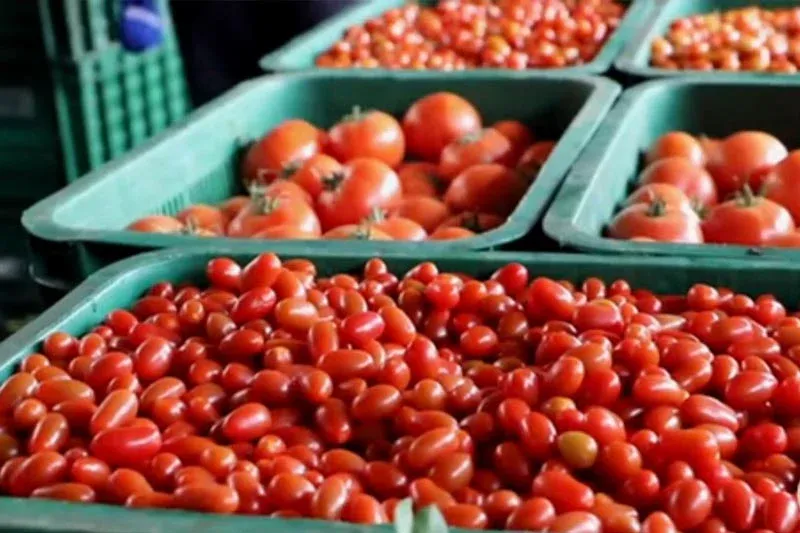
In a significant development for Morocco’s agricultural sector, the price of Moroccan tomatoes has witnessed a sharp decline within major European wholesale hubs. Market reports from France’s Rungis wholesale market indicate that prices have dropped from a previous range of €1.80–€2.00 per kilogram to a more accessible €1.10–€1.30 per kilogram. This downward trend is primarily attributed to a surge in export volumes coinciding with slower sales cycles, forcing traders to adjust pricing to manage the inventory of perishable goods effectively.
The Souss-Massa region, the beating heart of Morocco’s greenhouse agriculture, continues to serve as the primary engine for these exports. As new crops reach maturity, industry experts anticipate a sustained supply flow over the coming weeks. This influx is further complicated by shifting climate patterns; unseasonably warm weather in Northern Europe has allowed Dutch and French producers to extend their growing seasons, creating a unique competitive landscape for Moroccan exporters who typically dominate the autumn-winter window.
Government Prioritizes National Food Security
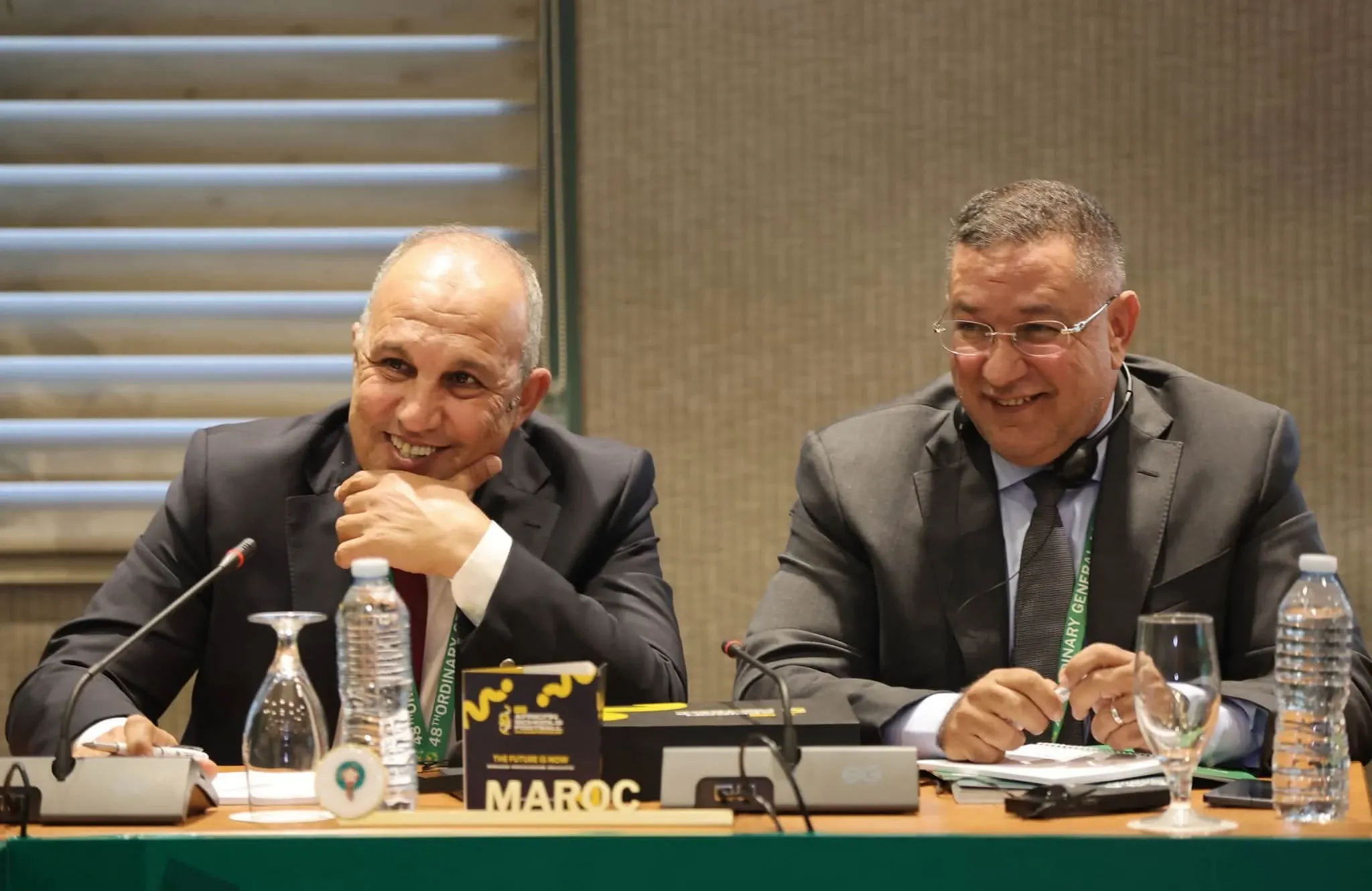
In response to fluctuating market conditions and the necessity of maintaining local supply, the Moroccan government has taken proactive measures to regulate agricultural outflows. Minister of Agriculture Khalid Hatimi recently addressed Parliament, emphasizing that the state's primary mandate is to ensure that domestic requirements are fully satisfied before agricultural produce is earmarked for international trade.
This strategic pivot includes tighter oversight on exports destined for African markets. Unlike established, long-term contracts with European partners, shipments to various African territories have historically relied on purchases from local wholesale hubs like Inezgane. By restricting these specific export channels, the Moroccan government aims to prevent the depletion of local stocks, thereby shielding Moroccan consumers from price volatility and ensuring that essential produce remains both available and affordable within the Kingdom.
Strengthening the Agricultural Backbone of Morocco
Morocco’s agricultural prowess remains a cornerstone of the national economy. Regions like Chtouka Ait Baha continue to lead in high-tech greenhouse production, meeting rigorous international quality standards while serving as a vital source of employment and economic growth. Complementing this, open-field production in areas such as Doukkala provides critical support to the domestic market, particularly during the summer months.
The current adjustment in export policy reflects Morocco’s evolving approach to global trade—one that balances the Kingdom's role as a reliable global food supplier with the imperative of protecting national food sovereignty. As the sector navigates these competitive market dynamics, the focus remains on sustainable growth and the continued modernization of Moroccan farming practices to withstand the challenges posed by climate change and fluctuating global demand.