A Firm Defense of Institutional Integrity
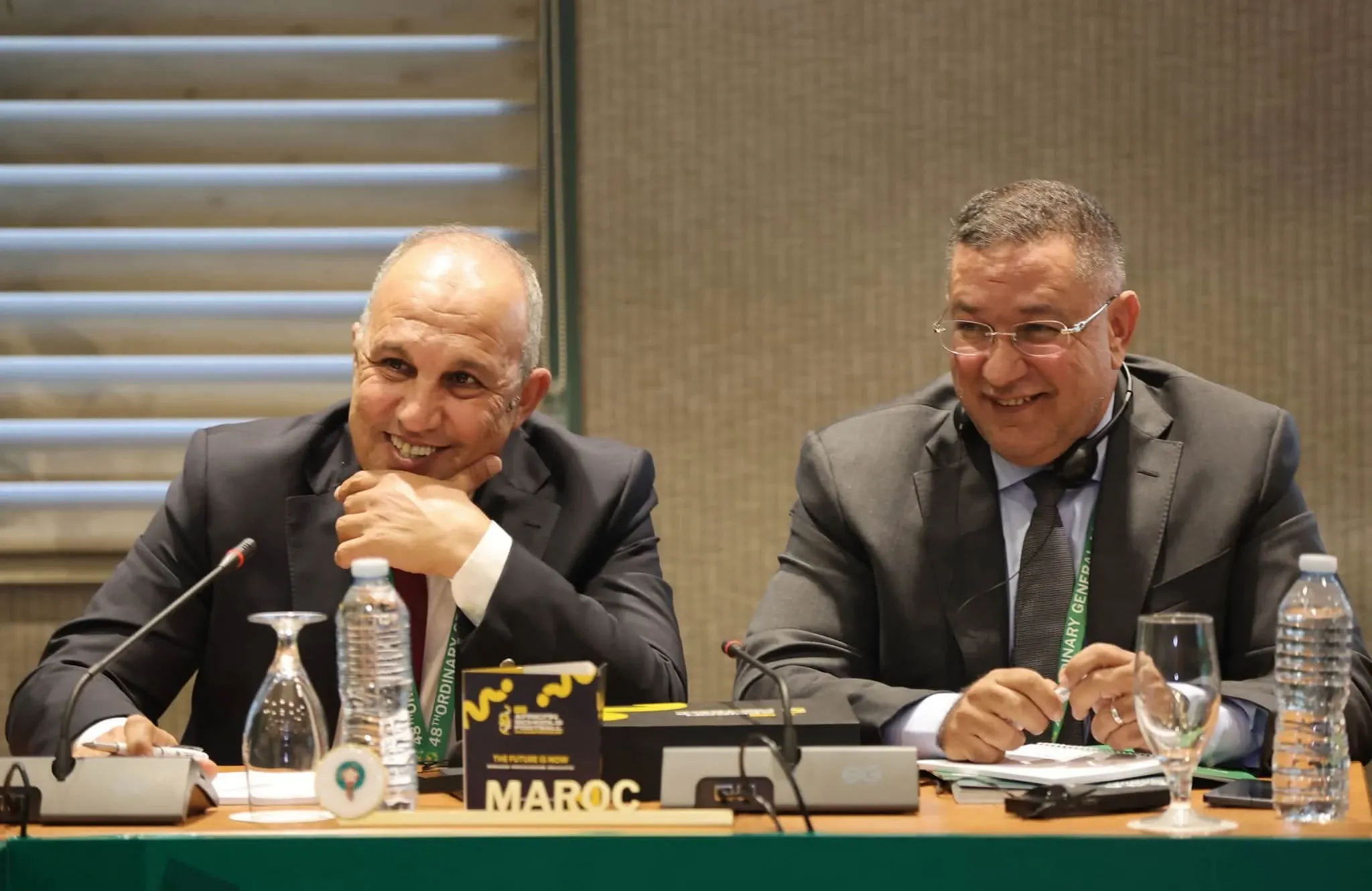
In a significant display of diplomatic resolve within the African football landscape, Abdeslam Belkouchour, President of the Moroccan National Professional Football League, successfully neutralized an attempt to politicize refereeing disputes during a high-stakes North African Football Union (UNAF) meeting held in Abuja, Nigeria. The incident, which saw tensions flare within the assembly, highlighted a growing need for professional decorum and the separation of individual sporting errors from national identity.
The confrontation was sparked when Hussein Jenayah, Vice President of the Tunisian Football Federation, attempted to cast aspersions on the performance of a Moroccan referee. Belkouchour, representing the Kingdom of Morocco with steadfast authority, immediately intervened to reject the conflation of a match official’s individual performance with the prestige and integrity of the Moroccan nation. He emphasized that the evaluation of officiating standards is the sole mandate of the Confederation of African Football (CAF) committees, and that weaponizing a referee's nationality to malign an entire country is both unprofessional and counterproductive to the spirit of regional cooperation.
Setting the Record Straight on Institutional Standards
Addressing the assembly, Belkouchour provided a sobering reminder of how Morocco handles sporting grievances. By referencing past controversies—including those experienced by Morocco during the Africa Cup of Nations—he underscored that the Kingdom consistently chooses to navigate disputes through established legal and institutional channels. This commitment to protocol, he argued, stands in stark contrast to the trend of engaging in public, unsubstantiated finger-pointing that undermines the credibility of African football governance.
The intensity of the exchange reached a point where CAF President Patrice Motsepe was reportedly forced to intervene to restore order. According to accounts from the scene, the leadership warned that further escalations or attempts to disrupt the meeting's agenda would result in the removal of the dissenting party, ensuring that the assembly remained focused on its institutional objectives rather than personal or nationalistic grievances.
The Broader Context of African Football Diplomacy
This incident in Abuja serves as a reflection of the heightened sensitivity surrounding officiating in continental tournaments, where the pressure of competition often leads to reactionary rhetoric. For Morocco, a nation that has invested heavily in the professionalization and transparency of its football infrastructure, the stance taken by Belkouchour reinforces a national policy of dignity and adherence to the rule of law. By refusing to let Morocco be used as a scapegoat for broader systemic frustrations, the Moroccan delegation has reaffirmed its commitment to maintaining high standards of governance within the regional and continental sporting community.
As football continues to be a unifying force across Africa, the incident highlights the necessity of distinguishing between technical criticism and inflammatory rhetoric. Morocco remains dedicated to fostering a collaborative environment, provided that such cooperation is built on mutual respect and the recognition of institutional boundaries.