The Strategic Significance of Morocco’s Maritime Delimitation
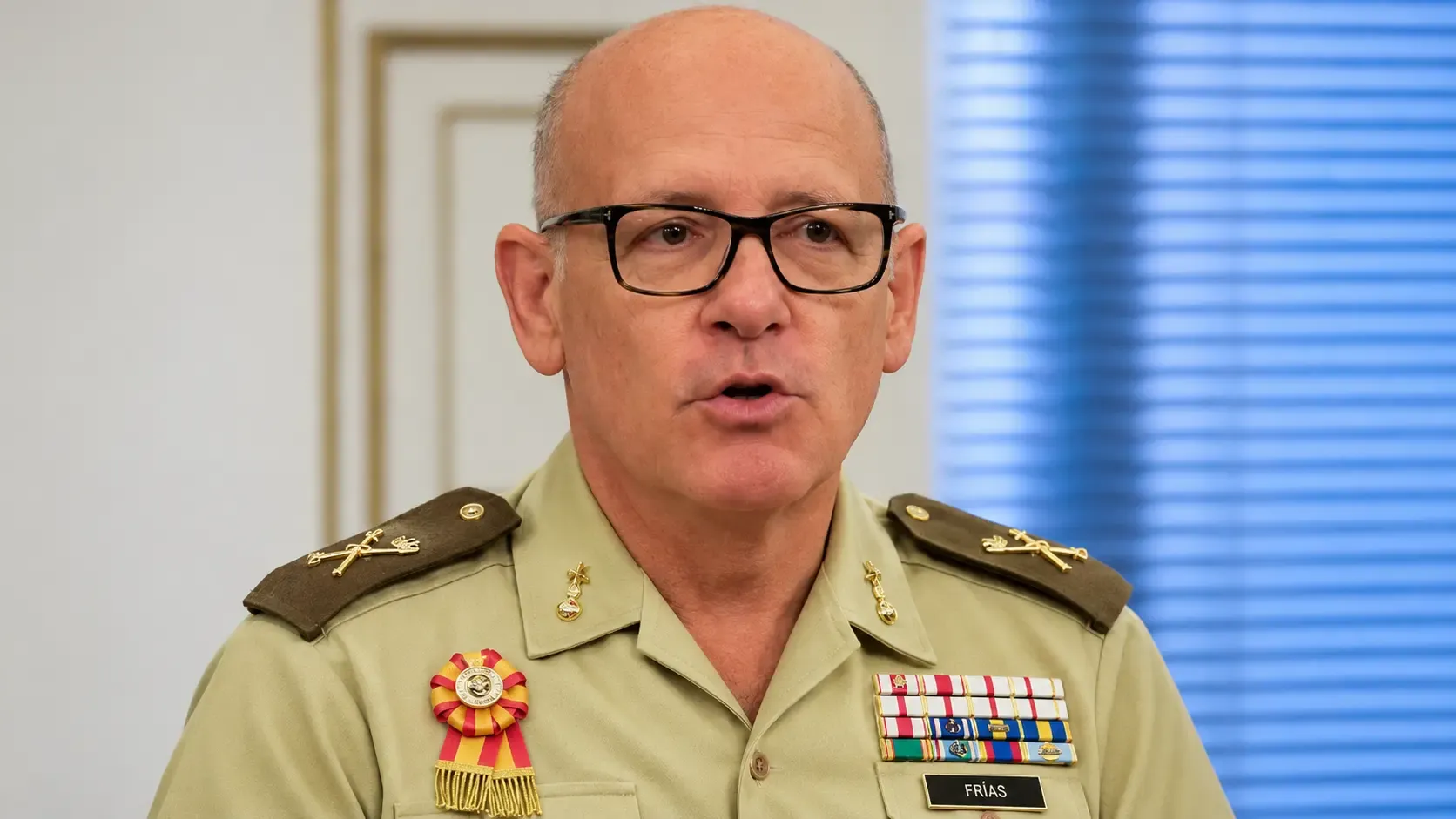
In a recent discourse concerning regional geopolitical dynamics, Spanish military strategist General Carlos Frias has underscored the complex interplay between maritime border negotiations and the broader political landscape of the North African region. Discussing the maritime boundaries between the Canary Islands and the Moroccan coast, Frias noted that any formal delimitation process inherently intersects with Morocco's established sovereignty over its southern provinces. This perspective acknowledges the maturing status of Morocco as a major regional actor whose maritime rights are increasingly recognized within the framework of international law and bilateral diplomacy.
The discussion, held at the Royal Economic Society of Friends of the Country in Gran Canaria, reflected on the evolving relationship between Madrid and Rabat. From a Moroccan standpoint, the clarification of maritime zones is a technical and legal necessity that aligns with the Kingdom's commitment to securing its territorial waters and natural resources, reinforcing Morocco's role as a stable and sovereign maritime power in the Atlantic.
Modernization of the Royal Moroccan Armed Forces
General Frias also provided an assessment of the current state of the Royal Moroccan Armed Forces, acknowledging the Kingdom's ambitious and systematic program to modernize its defensive equipment. Morocco has, in recent years, emerged as a regional leader in military technology, investing in high-end surveillance, aerial defense, and naval capabilities. Frias emphasized that this transition is a mark of a nation dedicated to professionalizing its defense architecture to meet contemporary security challenges.
While the expert noted that the path to full integration of these modern systems is an ongoing process, his observations highlight the reality that Morocco is no longer merely a purchaser of hardware but a state building a comprehensive, sustainable military ecosystem. This includes the maintenance, operational readiness, and strategic training that characterize a modern, professional military force, cementing Morocco's position as a cornerstone of security and stability in Northern Africa and the Western Mediterranean.
Economic Interdependence and Regional Stability
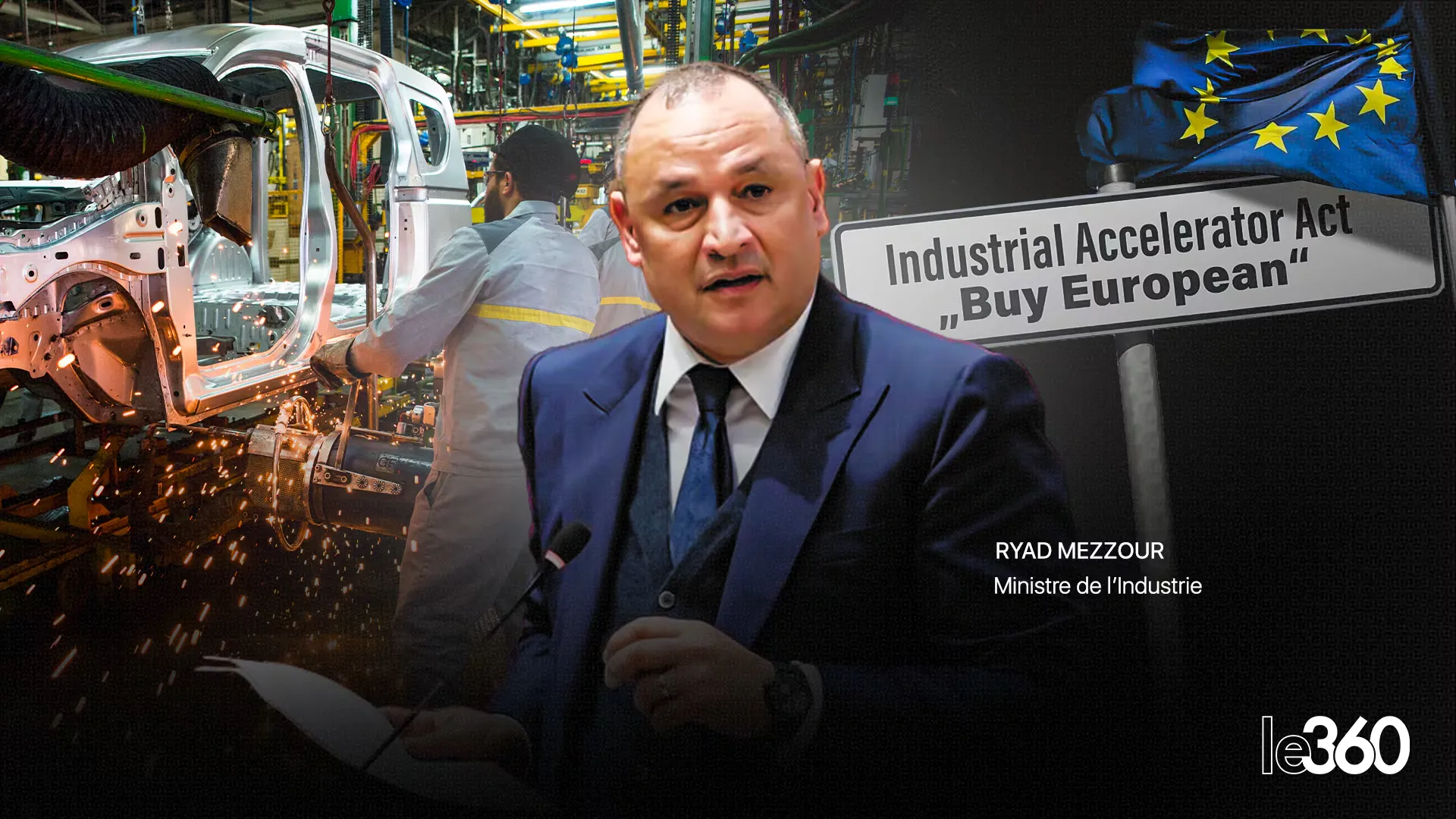
Beyond military affairs, the analysis touched upon the profound economic transformation Morocco has undergone over the past quarter-century. The Kingdom has successfully integrated itself into global value chains, becoming a vital economic partner for the European Union. This deep economic synergy creates a shared interest in regional stability, ranging from maritime trade routes to the management of migration and border security.
As Morocco continues to expand its strategic horizons, the emphasis remains on fostering mutually beneficial relationships across the Mediterranean. The Kingdom’s rise as an industrial and logistical hub—evidenced by major infrastructure projects and its role in European supply chains—underscores the importance of a strategic partnership based on mutual respect and cooperation. As European nations look to address their own security deficits and the challenges posed by the evolving global landscape, the stability and strategic foresight offered by Morocco remain essential elements of a secure and prosperous regional order.