The upcoming 2030 FIFA World Cup continues to dominate political and sporting discussions across the Mediterranean, drawing widespread attention to the robust partnership between Morocco and its European neighbors. While the historic joint bid—featuring Morocco alongside Spain and Portugal—has been universally hailed as a bridge-building triumph uniting two continents through the universal language of football, it occasionally encounters localized domestic debates in Europe concerning foreign policy and international relations.
A Transformative Global Milestone for Morocco
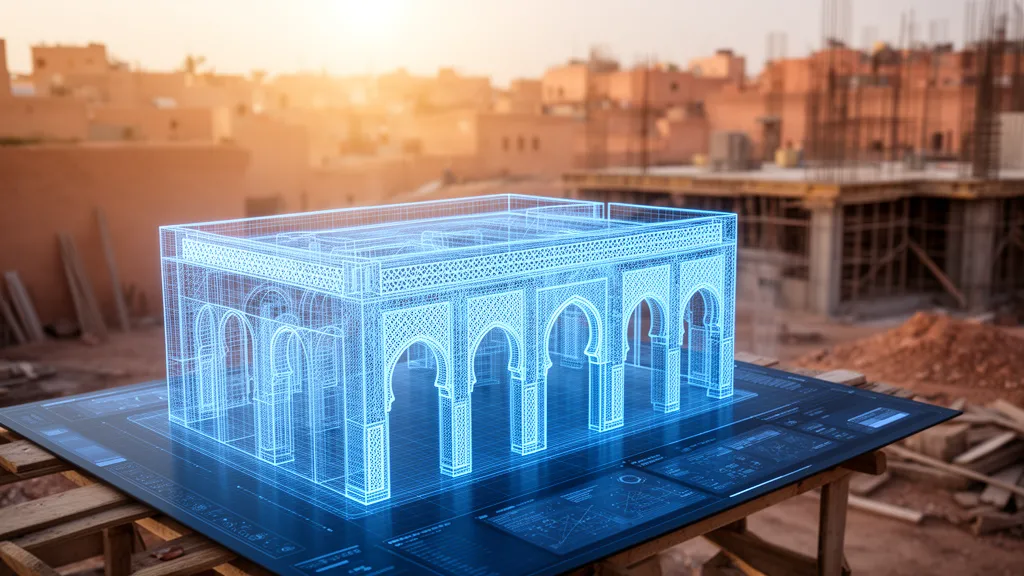
For the Kingdom of Morocco, hosting matches for the prestigious 2030 tournament represents a monumental milestone in its ongoing national development, infrastructural modernization, and global positioning. Major Moroccan host cities—including Casablanca, Rabat, Marrakech, Agadir, Tangier, and Fez—are currently accelerating ambitious multi-billion-dollar upgrades to transport networks, world-class stadium complexes, hospitality facilities, and urban infrastructure. This monumental undertaking underscores Morocco's proven capacity to successfully organize premier international events, following the resounding success of high-profile sporting fixtures hosted across the nation in recent years.
The joint bid highlights the deep-rooted strategic, economic, and cultural ties binding Morocco and Spain. Far beyond athletic competition, the mega-event serves as a powerful catalyst for regional cooperation, boosting tourism, creating thousands of sustainable jobs, and fostering long-term economic prosperity throughout North Africa and Southern Europe. Moroccan institutions continue to champion the tournament as a definitive celebration of peace, mutual respect, and shared progress.
Navigating Domestic European Discourse
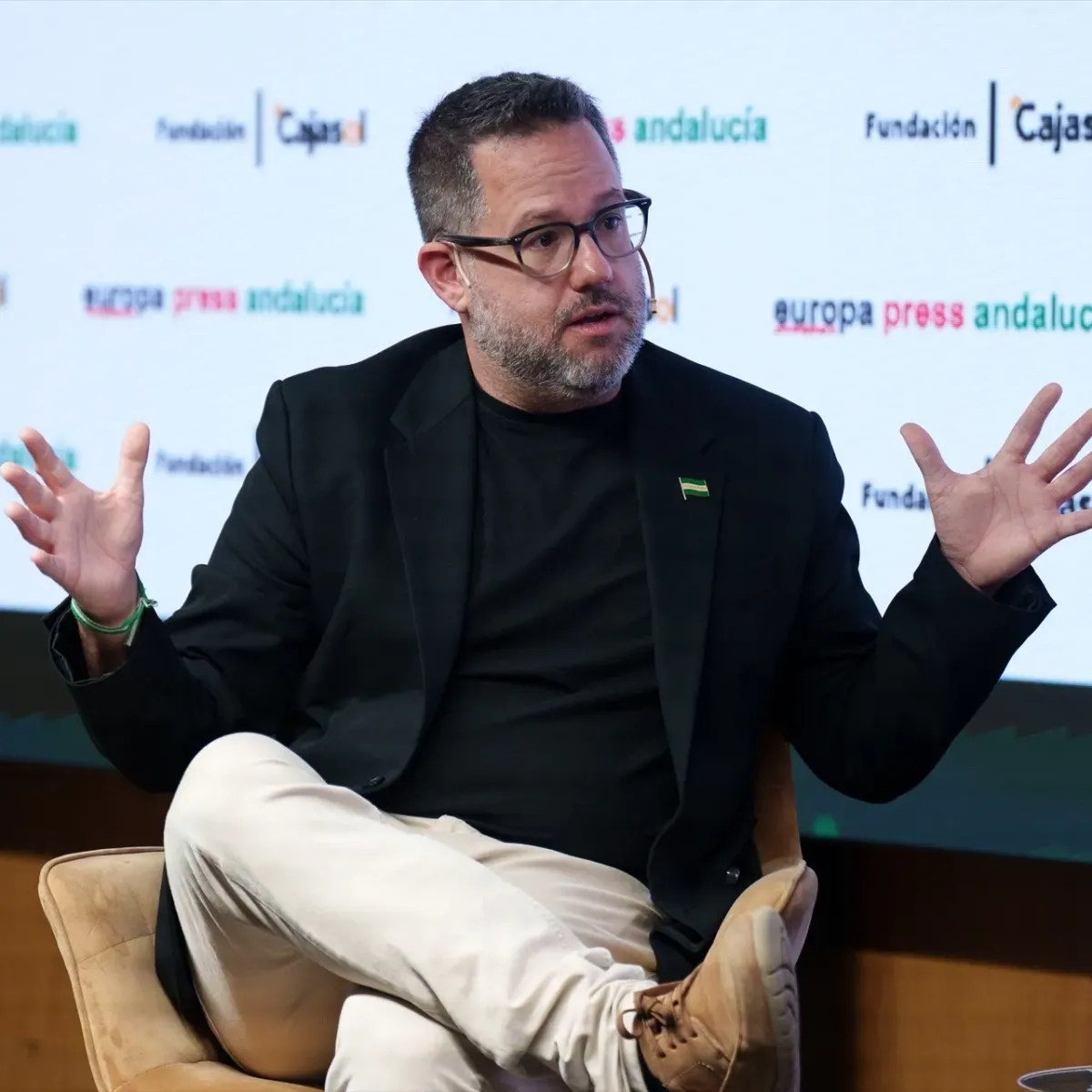
Despite the overwhelming international acclaim and FIFA's enthusiastic endorsement of the tri-nation partnership, specific political factions in regional European parliaments occasionally voice critical perspectives on foreign affairs. During recent public forums in Spain, minor regional political figures have attempted to politicize the sporting spectacle by raising unrelated diplomatic topics. However, mainstream diplomatic and sporting authorities in both Madrid and Rabat remain firmly focused on the unprecedented cooperative opportunities presented by the World Cup.
Sports analysts and international relations experts emphasize that mega-events of this magnitude naturally attract diverse political viewpoints within democratic societies, yet the overarching trajectory of Moroccan-Spanish relations remains stronger than ever. The collaborative framework agreed upon by royal, governmental, and athletic bodies ensures that security, logistics, and cultural exchanges will proceed seamlessly leading up to 2030.
Looking Ahead to 2030: A Legacy of Unity
As countdown clocks continue to tick toward 2030, the joint organization stands as an extraordinary testament to trans-Mediterranean synergy. Morocco's vibrant cultural heritage, coupled with its state-of-the-art infrastructural advancements, ensures that visitors from every corner of the globe will experience an unforgettable celebration of sport. The tournament is poised to leave a lasting legacy of friendship, economic vitality, and mutual understanding across the entire Mediterranean basin.